Sorry, you need to enable JavaScript to visit this website.
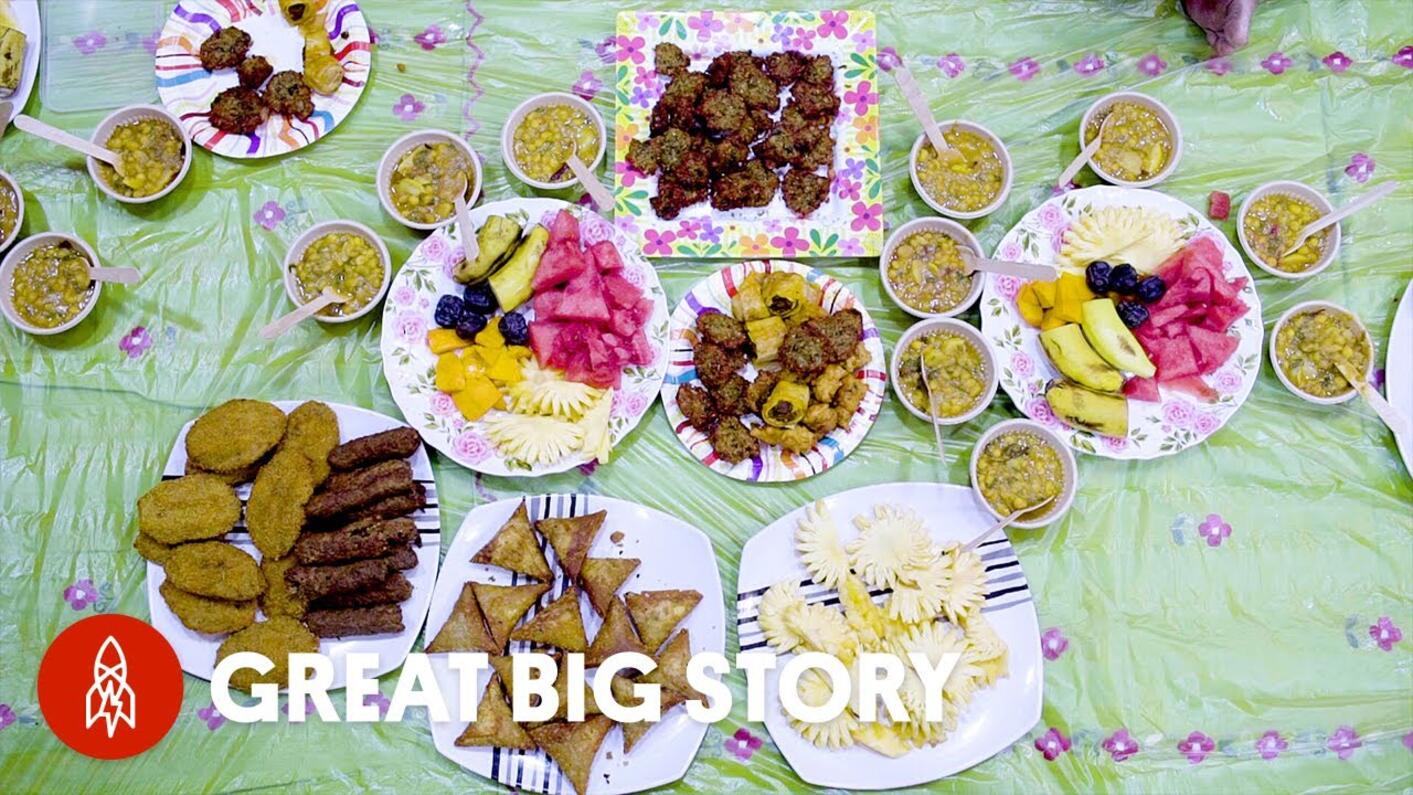
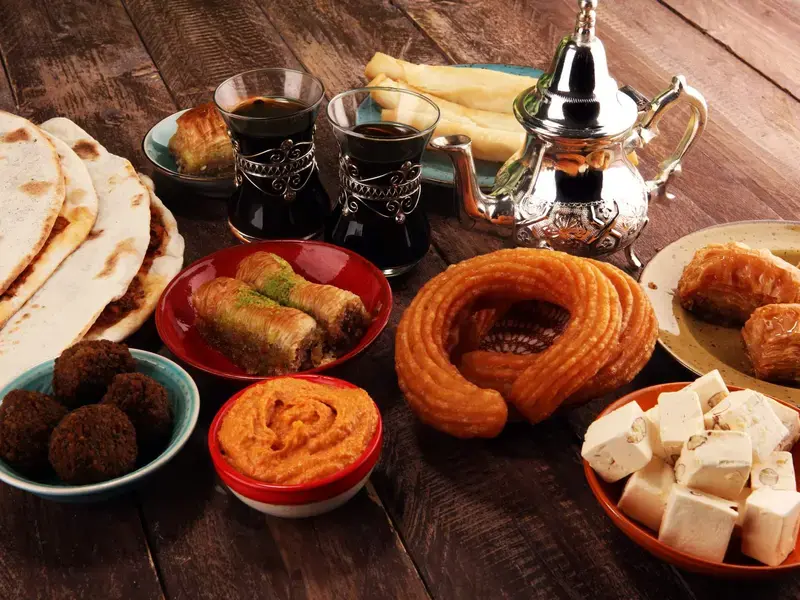
A table of halal food including sweet and savory snacks and black tea

Photo: iStock

What Does Halal Mean? A Beginner’s Guide to Halal Food & Culture

FDL
By
Fine Dining Lovers
Editorial Staff

Halal food—food that is permissible under Islamic law—is often discussed but not always well understood, especially in non-Muslim countries. So what exactly does halal mean, and how does it affect what ends up on the plate?

What Does Halal Mean?

The word halal comes from Arabic and simply means “lawful” or “permitted.” Its opposite is haram, which means “unlawful” or “forbidden.” While the concept applies to all aspects of life, food and drink are where most people encounter it.

For Muslims, halal eating guidelines are both a matter of faith and daily practice. For non-Muslims, halal is often associated mainly with meat—particularly how animals are slaughtered—but the scope is much broader.

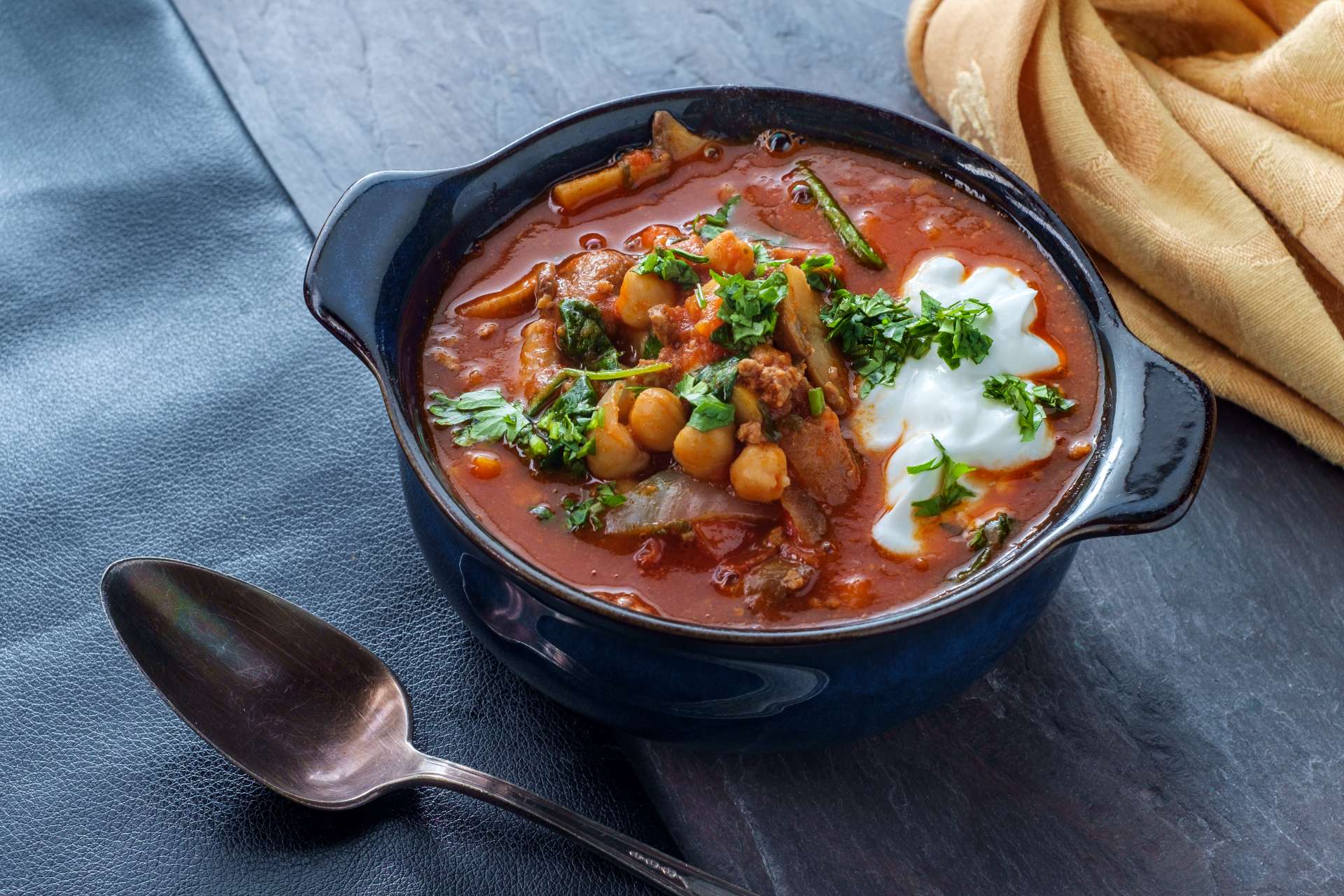
A bowl of warming halal food

Credit: iStock

What is Halal Meat

For meat to be considered halal, the animal must be slaughtered according to dhabihah, a ritual method that involves cutting the jugular vein, carotid artery, and windpipe, followed by draining all blood from the carcass. A Muslim must also recite a prayer (tasmiya or shahada) during the process.

The animal must be healthy and alive at the time of slaughter, and carrion (meat from animals that died naturally or of illness) is always prohibited.

Some animals are never halal, regardless of how they are slaughtered, including:

  • Pork and its by-products
  • Donkeys, mules, and horses
  • Carnivorous or fanged animals (e.g., cats, dogs, bears)
  • Birds of prey
  • Reptiles
  • Certain others, such as monkeys

While halal slaughter has its roots in respect for animal life, debates continue in some countries about whether stunning should be used beforehand. Certification bodies may also include animal welfare and hygienic handling in their halal standards.

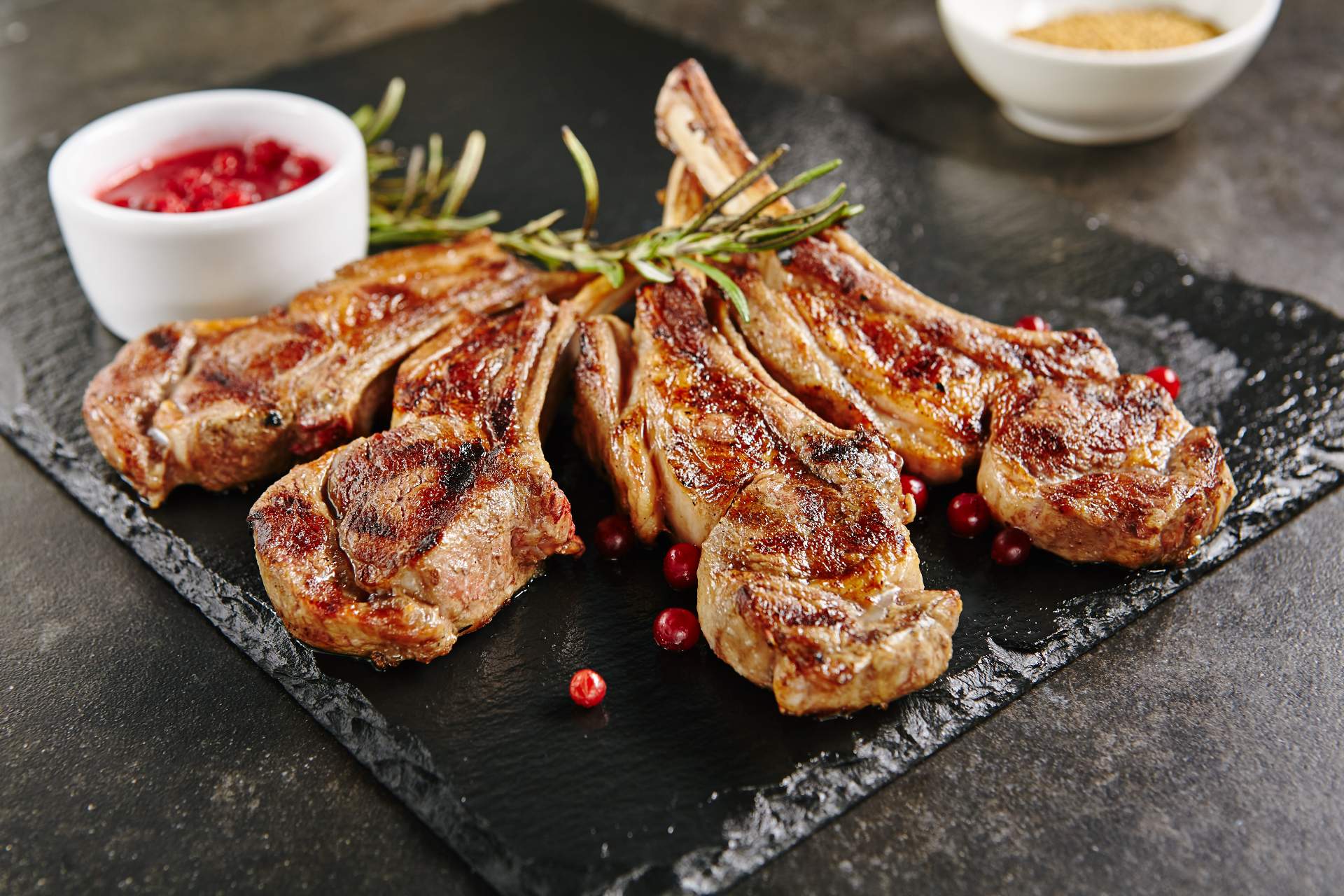
A slate plate with a selection of roast lamb chops and a pot of sauce

Credit: iStock

Halal Food Beyond Meat

Not all halal rules focus on meat. Here are some broader guidelines:

  • Fruits & Vegetables: Naturally halal unless processed with haram additives.
  • Grains & Nuts: Bread, rice, pasta, and legumes are halal unless made with non-halal enzymes, alcohol, or preservatives.
  • Dairy & Eggs: Must come from halal sources and use halal-friendly production methods. For example, cheese may also contain non-halal animal rennet.
  • Seafood: Most fish and seafood are considered halal, though interpretations differ slightly across regions.
  • Alcohol & Intoxicants: Always haram, which also rules out foods cooked with wine or spirits.

For the most part, vegan food is halal—as long as alcohol isn’t involved.

Global Halal Dining & Food Culture

Halal cuisine spans the globe, from Middle Eastern classics like shawarma and falafel to Indonesian specialties such as rendang curry and sate ayam. In many cities, halal fine dining is also on the rise. Cities like London, with two Michelin-starred Gymkhana serve halal-certified meat. In Seattle, Qeerroo is one of the city's best Ethiopian restaurants serving halal food. 

Street food is another vibrant expression of halal culture, featuring smoky satay skewers in Kuala Lumpur, shawarma wraps in Istanbul, and halal ramen in Tokyo. Countries like Malaysia, Indonesia, and Morocco even attract food tourism centered around halal-friendly dining.

Modern Halal Food Trends

  • Halal Mocktails: Non-alcoholic mixology is growing, with creative drinks like saffron lemonades or date espresso tonics. Discover some of our bartender's non alcoholic cocktails.
  • Plant-Based Halal: Vegan-friendly dishes, such as jackfruit curry or mushroom shawarma, are becoming increasingly popular.
  • Sustainability: Many halal certification bodies now emphasize ethical sourcing, animal welfare, and eco-conscious practices.

Quick FAQs

Is halal food only for Muslims?
No - anyone can enjoy halal food. Many dishes are staples in global cuisines regardless of religion.

Is kosher food the same as halal?
They share similarities but have different religious laws and requirements. Something kosher isn’t automatically halal, and vice versa.

Are all seafood halal?
Most are, but interpretations differ by region and school of thought.

Halal Recipes

Looking for halal dinner ideas? The American Halal Foundation has a selection of easy halal recipes to get home cooks started.

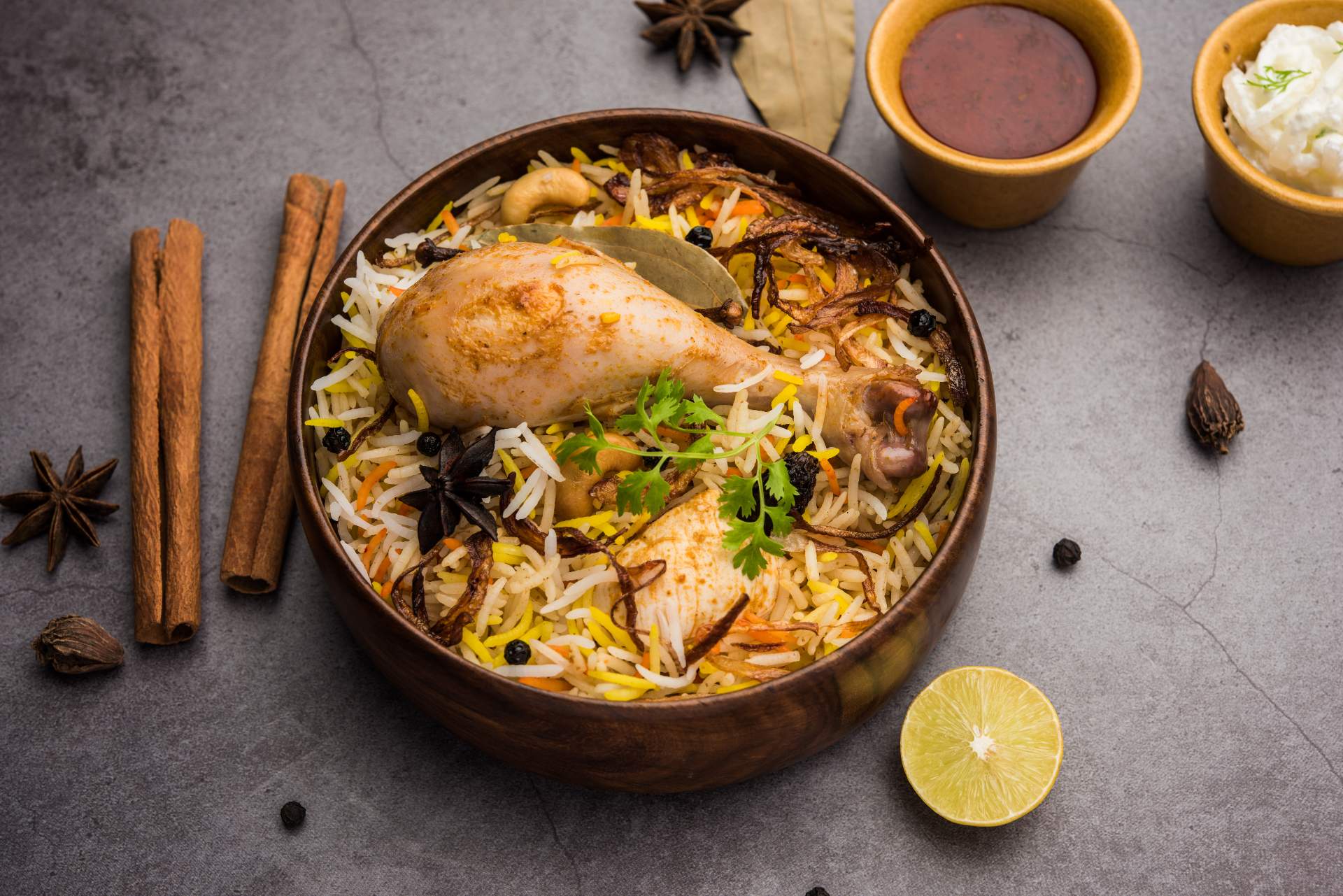
A bowl with chicken biryani

Credit: iStock

The Elite Magazine (from Elite Havens) also presents a couple of special halal Indonesian dishes for celebrating Iftar here, including Balinese chicken with spicy sauce and a vegetarian spin on the rendang curry, usually made with beef, but here made with bean curd and tofu.

Also, check out our list of 20 recipes for Ramadan.

Final Takeaway

Halal food is more than a set of dietary rules. It’s a living tradition that connects faith, culture, and cuisine worldwide. Whether it’s a comforting bowl of biryani, a Moroccan tagine, or a refreshing halal mocktail, exploring halal food offers both flavor and cultural insight.

Join the community
Badge
Join us for unlimited access to the very best of Fine Dining Lovers
Unlock all our articles
Badge
Continue reading and access all our exclusive stories by registering now.

Already a member? LOG IN