Understanding what to eat in Boston means exploring dishes that reflect the city's history as a major port, its Irish immigrant legacy, and its connection to the Atlantic Ocean. From the creamy chowders that warm harsh winter days to the lobster rolls that define summer eating, Boston food offers distinctive flavors found nowhere else. Whether you are visiting for the first time or rediscovering familiar favorites, discovering what food is Boston known for turns eating into an authentic local experience.
New England Clam Chowder
No discussion of what to eat while in Boston begins anywhere other than clam chowder. A creamy, soul-warming soup, it has sustained New Englanders for centuries. This iconic dish represents the best seafood in Boston. It's a bowl that speaks to the region's maritime heritage and harsh-weather practicality.
Proper New England clam chowder features a base of rendered salt pork or bacon, softened onions, and chunks of potato simmered in clam broth and enriched with heavy cream. Fresh clams (traditionally quahogs), the large hard-shell clams native to these waters, provide briny sweetness. The texture should be rich but not gluey, thick enough to coat a spoon without becoming paste-like.
Lobster Roll
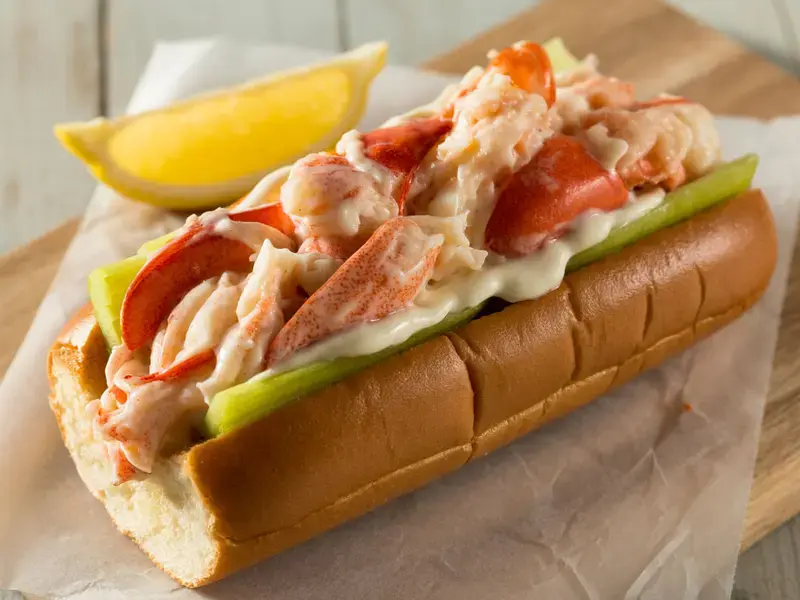
The lobster roll stands as perhaps the most celebrated example of what food is Boston known for. It's a simple construction that showcases Maine lobster. This sandwich appears on virtually every Boston restaurant menu during the summer months, and year-round at seafood specialists, making it essential eating for anyone exploring the best seafood in Boston.
Two styles dominate the lobster roll landscape. The Maine style (ironically also beloved in Boston) features cold lobster meat dressed lightly with mayonnaise, perhaps a touch of celery and lemon, served in a butter-toasted split-top hot dog bun. The Connecticut style serves the same sweet lobster meat warm, bathed in drawn butter rather than mayonnaise. Both approaches let the lobster shine while making lobster easier to eat.
Boston Cream Pie
Despite its name, Boston cream pie is actually a cake. And it's one so beloved that Massachusetts designated it the official state dessert in 1996. This Boston famous food consists of two layers of golden sponge cake filled with rich vanilla pastry cream and topped with a chocolate ganache glaze.
The dessert originated at the Parker House Hotel (now the Omni Parker House) in 1856. Here, French chef Sanzian created what was originally called “Parker House Chocolate Cream Pie.” The “pie” designation likely reflects the tin pans in which early American cakes were baked, and the name has persisted despite the dessert's obvious cake-like nature.
Fried Clams
Fried clams represent Boston food at its most casual and satisfying. Whole clams are dipped in batter or crumbs and fried until golden, served in paper boats with tartar sauce and lemon wedges.
The debate between “whole belly” clams and fried clam strips divides New England, but serious clam enthusiasts insist on the whole belly. The belly provides the briny, slightly mineral flavor that defines the clam experience; strips offer only the chewy foot. Properly fried clams achieve a crispy exterior that gives way to a tender, oceanic interior.
Cannoli
Boston's North End has made the cannoli an essential part of what food is Boston known for, despite its Sicilian origins. The pastry shops lining Hanover Street have elevated cannoli to Boston famous food status, drawing lines that stretch down sidewalks on weekend evenings.
Proper cannoli feature crispy, fried pastry shells filled with sweetened ricotta cream, sometimes studded with chocolate chips or candied fruit, and the ends are often dipped in chopped pistachios. The critical factor is freshness, as the shells must be filled to order, never in advance, or the moisture from the filling destroys the essential crispy texture.
Lobster Bisque
Where clam chowder is rustic and democratic, lobster bisque offers elegance. It's a refined, intensely flavored soup that showcases this Boston famous food in a formal presentation. This silky preparation transforms lobster shells and meat into something luxurious enough for special occasions while remaining accessible throughout the city.
Authentic lobster bisque builds its flavor by roasting lobster shells, simmering them to make rich stock, and finishing with cream, brandy, and tender chunks of lobster meat. The texture should be perfectly smooth, the color a warm coral, and the flavor deeply concentrated with lobster essence in every spoonful.
New England Boiled Dinner
The New England boiled dinner represents what to eat in Boston for those seeking a connection to the city's historical foods. This one-pot meal of corned beef simmered with cabbage, potatoes, carrots, and turnips sustained working-class families for generations and remains a St. Patrick's Day tradition.
The dish reflects Boston's substantial Irish immigrant population and the practicality of New England cooking. It uses affordable ingredients transformed through long, slow cooking into something satisfying and nourishing. The corned beef becomes tender, the vegetables absorb the savory cooking liquid, and the entire preparation comes together with minimal attention required.
Boston Brown Bread
Boston brown bread belongs to a uniquely American tradition of steamed breads, producing a dense, moist, slightly sweet loaf that pairs perfectly with baked beans. The bread combines whole wheat flour, rye flour, and cornmeal with molasses, creating a complex flavor that reflects colonial-era baking.
Traditional Boston brown bread is steamed in cylindrical molds (originally tin cans), producing its characteristic round slices. The texture is cake-like, the flavor a harmonious blend of grain and molasses sweetness. Sliced and spread with butter or cream cheese, it serves as an accompaniment to meals or a satisfying snack.
Irish Soda Bread
Boston's strong Irish heritage makes soda bread an important part of local food culture, particularly around St. Patrick's Day, but available year-round at Irish bakeries and neighborhood shops. This quick bread requires no yeast, relying instead on baking soda reacting with buttermilk for its rise.
Traditional Irish soda bread uses just four ingredients: flour, baking soda, salt, and buttermilk. American versions often add raisins, caraway seeds, or sugar, creating what purists might call “spotted dog” rather than true soda bread. Both styles appear throughout Boston, satisfying different preferences.
Colcannon
Colcannon consists of creamy mashed potatoes enriched with cabbage or kale, butter, and scallions. It appears on Irish pub menus throughout Boston and represents comfort food. This traditional Irish dish arrived with immigrants and has remained a beloved side dish for generations.
Proper colcannon achieves a silky potato texture studded with tender cabbage pieces, enriched with enough butter and cream to make it indulgent without becoming heavy. The scallions add a fresh, oniony contrast that brightens the dish.
Boston Sour
No Boston food guide is complete without a drink. The Boston Sour, a whiskey sour enriched with a red wine float and optional egg white, provides the ideal conclusion to a meal of Boston's famous food.
This cocktail builds on the classic whiskey sour foundation (bourbon or rye, lemon juice, simple syrup) but tops it with a float of dry red wine, adding color, complexity, and a subtle tannic edge. The egg white, shaken to a frothy texture, creates a silky mouthfeel that softens the whiskey's bite.