Few cocktails carry as much mystique as the Martini. It has been the drink of choice for fictional spies and real-world figures, developing into a symbol of elegance that has evolved across more than a century of cocktail culture. But ordering a Martini today means navigating a landscape of styles, ratios, and variations that can feel intimidating without some background knowledge. Understanding the different types of Martinis (from bone-dry classics to contemporary reinventions) helps you discover which versions suit your palate.
Below is a practical guide to the different Martini types available, including what defines the drink, the classic variations, modern interpretations, and how each adjustment changes what ends up in your glass.
What Defines a Martini?
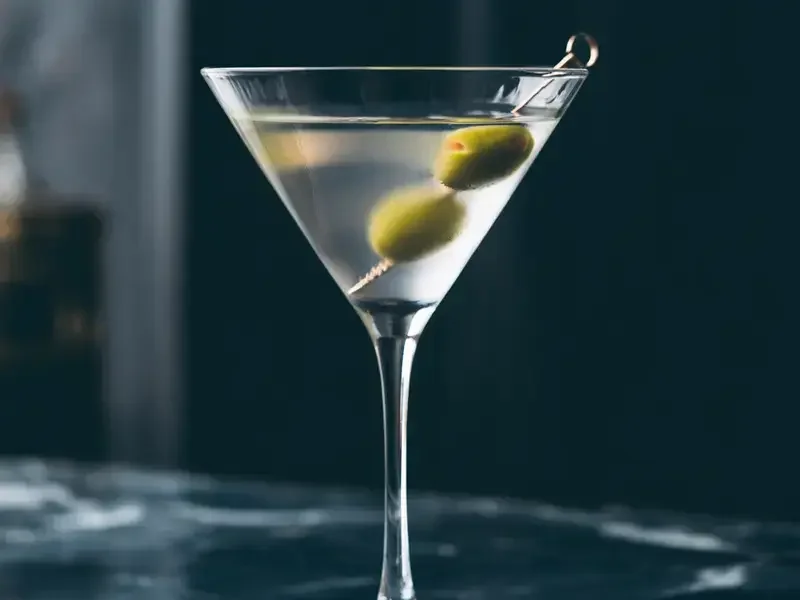
A Martini is a stirred cocktail made with a base spirit and vermouth. It's served cold in a stemmed glass, and typically garnished with an olive or a lemon twist. This simplicity is both the Martini's strength and its challenge because with so few ingredients, every choice matters.
The essential components are:
- Base spirit: Traditionally, gin, though vodka Martinis have become equally common.
- Vermouth: A fortified, aromatized wine that adds complexity, botanical notes, and a touch of sweetness or bitterness depending on the style.
- Garnish: An olive, lemon twist, or cocktail onion.
- Temperature: Martinis must be cold. Stirring or shaking with ice chills the drink and provides a slight dilution that softens the alcohol's edge.
What distinguishes Martini styles from one another is mainly the ratio of spirit to vermouth and the choice of garnish. These minor adjustments produce drinks that taste remarkably different from one another.
Classic Martini Styles
The classic Martini types revolve around dryness (i.e., how much vermouth appears in the glass) and garnish choices that define specific variations. Here are some of the top Martini types explained:
Dry Martini
The dry Martini is the modern standard, emphasizing gin with restrained vermouth. A typical ratio ranges from 4:1 to 6:1 (gin to dry vermouth), producing a drink where the spirit dominates, with the vermouth adding a subtle herbal complexity in the background.
The dry Martini showcases the gin's botanicals of juniper, citrus peel, coriander, and whatever else defines the particular brand, while the vermouth adds depth.
Wet and Extra-Dry Martini
Martini dryness exists on a spectrum, and understanding the terminology helps you communicate your preferences to the bartender.
- Wet Martini: Contains more vermouth than a standard dry Martini, sometimes approaching a 2:1 ratio or even equal parts. This style tastes softer, rounder, and more complex, with vermouth playing a supporting role rather than hiding in the background.
- Extra-dry Martini: Minimizes vermouth even further than the standard dry Martini. Ratios of 8:1 or higher are common, and some recipes call for merely rinsing the glass with vermouth and discarding the excess before adding chilled gin.
The legendary preference for extremely dry Martinis comes from Winston Churchill, who supposedly acknowledged vermouth only by glancing at the bottle, and reflects a mid-20th-century trend that prized austerity.
Gibson and Dirty Martini
Two classic variations distinguish themselves entirely through the garnishings and minor additions.
- Gibson: A dry Martini garnished with a cocktail onion instead of an olive or lemon twist. The pickled onion contributes a subtle sweetness and a mild pungency.
- Dirty Martini: Incorporates olive brine into the cocktail itself, creating a savory, slightly cloudy drink with pronounced salinity. Dirty Martinis are always garnished with olives, often two or three.
Vodka Martinis and Modern Interpretations
The Martini's evolution did not stop with gin. Vodka Martinis and contemporary variations have expanded the category, something that's important to know given LA's gin era resurgence.
Vodka Martini vs Gin Martini
The vodka Martini substitutes gin for vodka, creating a different drinking experience. While gin brings botanical complexity (think juniper, citrus, spice, or floral notes), vodka offers neutrality and smoothness. A vodka Martini is cleaner, more subtle, and lets the vermouth and the garnish do more of the flavoring work.
Popularized, in part, by James Bond's famous (if technically incorrect) “shaken, not stirred” order, the vodka Martini became fashionable in the mid-20th century as vodka gained popularity in Western markets. Today, bartenders ask “gin or vodka?” as a standard clarification when a Martini is ordered.
Espresso Martini
The espresso Martini represents a dramatic departure from tradition, as it is a sweet, caffeinated cocktail that shares the Martini's glassware but little else. The espresso Martini combines vodka, coffee liqueur (typically Kahlúa), fresh espresso, and simple syrup. The mixture is shaken vigorously to create a frothy top layer, then strained into a Martini glass and garnished with coffee beans.
This results in a rich, yet bittersweet, energizing dessert cocktail with a kick. Some purists object to calling it a Martini, but the espresso Martini has become hugely popular and is a modern classic in its own right.
Flavored and Contemporary Martinis
The Martini template has inspired countless flavored variations, some more successful than others.
- French Martini: Vodka, Chambord (raspberry liqueur), and pineapple juice create a fruity, approachable drink, one that's very different from the classic.
- Appletini: Vodka with apple schnapps or apple liqueur, popular in the 1990s and early 2000s, exemplifies the sweet, candy-like direction some “-tini” drinks have taken.
- Lychee Martini: Vodka with lychee liqueur and lychee fruit, offering floral sweetness with Asian-inspired flavors. The pomegranate Martini is also becoming increasingly popular.
- Cucumber Martini: Gin or vodka muddled with fresh cucumber, sometimes with elderflower liqueur, creating a refreshing, garden-fresh variation.
These contemporary Martinis share the Martini glass shape and little else with the original. Whether they deserve the Martini name is debatable, but their popularity demonstrates how the term has expanded to mean almost any cocktail served in a V-shaped glass.
Craft cocktail culture has also revived interest in classic proportions and quality ingredients. Bartenders increasingly advocate for proper vermouth ratios, fresh vermouth (which spoils after opening), and thoughtful gin selection. This return to the basics has elevated the traditional Martini, while flavored variations continue to remain popular.
How Martini Variations Change Balance and Flavor
Understanding how each variable affects the final drink helps you navigate the types of Martinis out there and discover your preferences.
- Spirit choice: Gin adds botanical complexity while vodka provides clean neutrality. London dry gins emphasize juniper; contemporary gins may feature citrus, florals, or unusual botanicals.
- Vermouth ratio: More vermouth means a softer, rounder drink with greater complexity. Less vermouth puts the spirit center stage, creating a drier experience. Quality matters here, as fresh, well-stored vermouth contributes positively while stale vermouth detracts.
- Garnish: Lemon twists add bright citrus oil and aromatics, olives contribute savory, briny notes, while cocktail onions offer subtle sweetness. The garnish choice shapes how the drink smells and finishes.
- Preparation: Stirring creates a silky, clear cocktail. Conversely, shaking introduces dilution, air, and a slightly different texture. Tradition favors stirring for Martinis, though personal preference still rules.
- Temperature: Colder is generally better as a well-chilled Martini drinks smoothly, while a warm one tastes harsh and alcoholic.
- Additions: Olive brine (dirty), onion brine (Gibson variation), or other modifiers can significantly change the flavor profile.
Experimenting with these variables reveals the Martini as a format rather than a fixed recipe. In fact, it should be considered as a framework that accommodates personal taste while maintaining the essential Martini character. The journey from your first Martini to understanding your ideal specifications is part of the drink's enduring appeal. It's all about experimenting to get a cocktail perfectly aligned with your preferences.