From the smoky, one-pot stews of Louisiana to the crispy, buttermilk-soaked classics of the Deep South, Southern food tells a story of resilience, resourcefulness, and cultural exchange. Born from the fusion of Native American, West African and European culinary traditions, this cuisine has evolved over centuries into a rich tapestry of regional styles, from Cajun and Creole to soul food and Lowcountry cooking. Here's a closer look at where it all began and the dishes that define it today.
The Origins: Native American, African, and European Influences
Southern food is built on Native American foundations, with elements such as the “Three Sisters” of ingredients (corn, beans, and squash) forming the pillars of many recipes. Indigenous techniques, including smoking, drying, grinding corn, and cooking with local plants, became central to Southern cooking.
With the arrival of the enslaved Africans, ingredients, such as okra, watermelon, and black-eyed peas entered the world of Southern cooking, along with techniques including slow braising, spice seasoning, and one-pot cooking. Last but not least, British settlers introduced cooking techniques such as baking and preserving, along with meat pie recipes. The French brought roux-based cooking, while Spanish influence helped shape Creole cuisine through peppers, tomatoes, and spices.
Regional Styles
Cajun
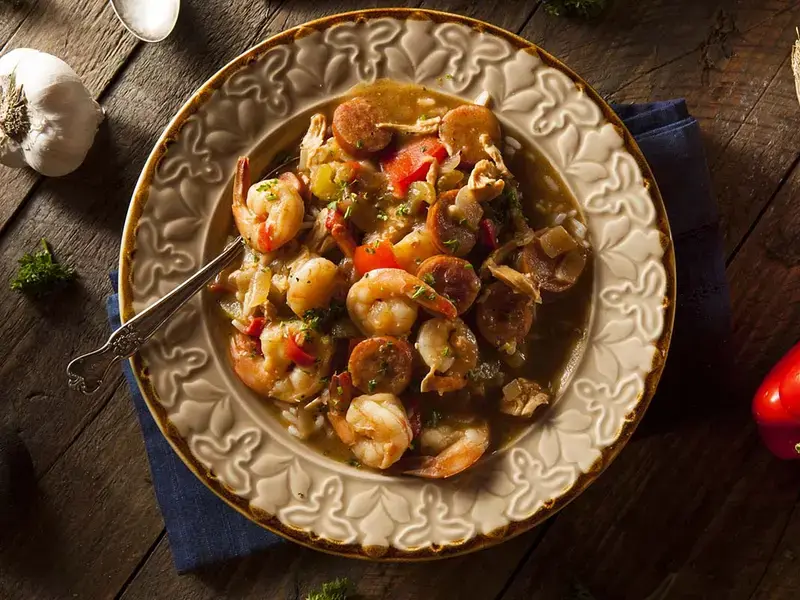
Cajun is one of the most well-known styles of Southern cuisine, and refers largely to rustic, rural cooking with a strong influence from Louisiana’s bayous and wetlands. The “holy trinity” of ingredients, namely onions, celery, and green bell peppers, forms the foundations of these dishes. Spice is introduced to build flavor through paprika, cayenne pepper, and black pepper, and one-pot recipes are common.
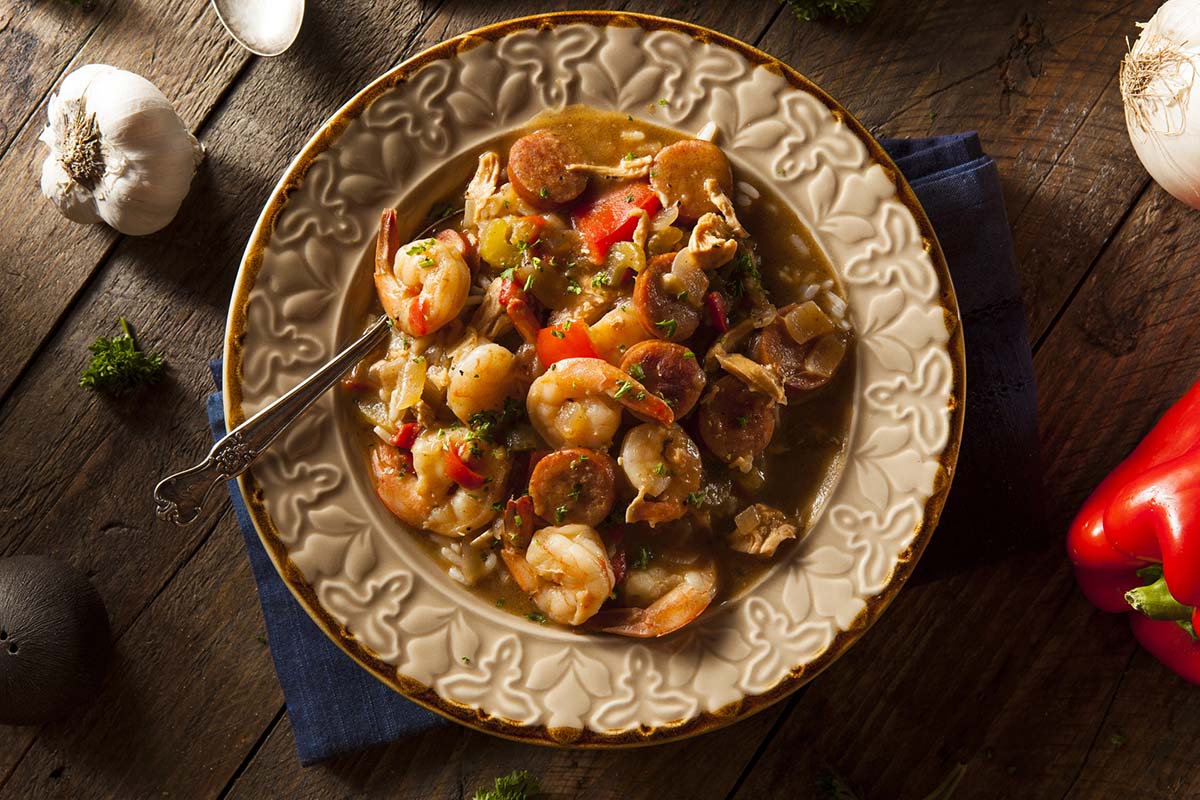
Signature dishes include gumbo, jambalaya, and crawfish étouffée. It's a style of cooking that’s rooted in resourcefulness as dishes were traditionally based around what was available to cooks at the time.
Creole
Another widely recognized regional style, Creole cooking has its roots in New Orleans, though it’s shaped by many European and global influences. It reflects New Orleans’ role as a major port city, and features French, Spanish, African, Caribbean, and Italian influences. Tomatoes, seafood, butter, and wine are common ingredients in Creole cooking, with classic dishes including Creole gumbo, shrimp Creole, and red beans and rice.
Soul Food
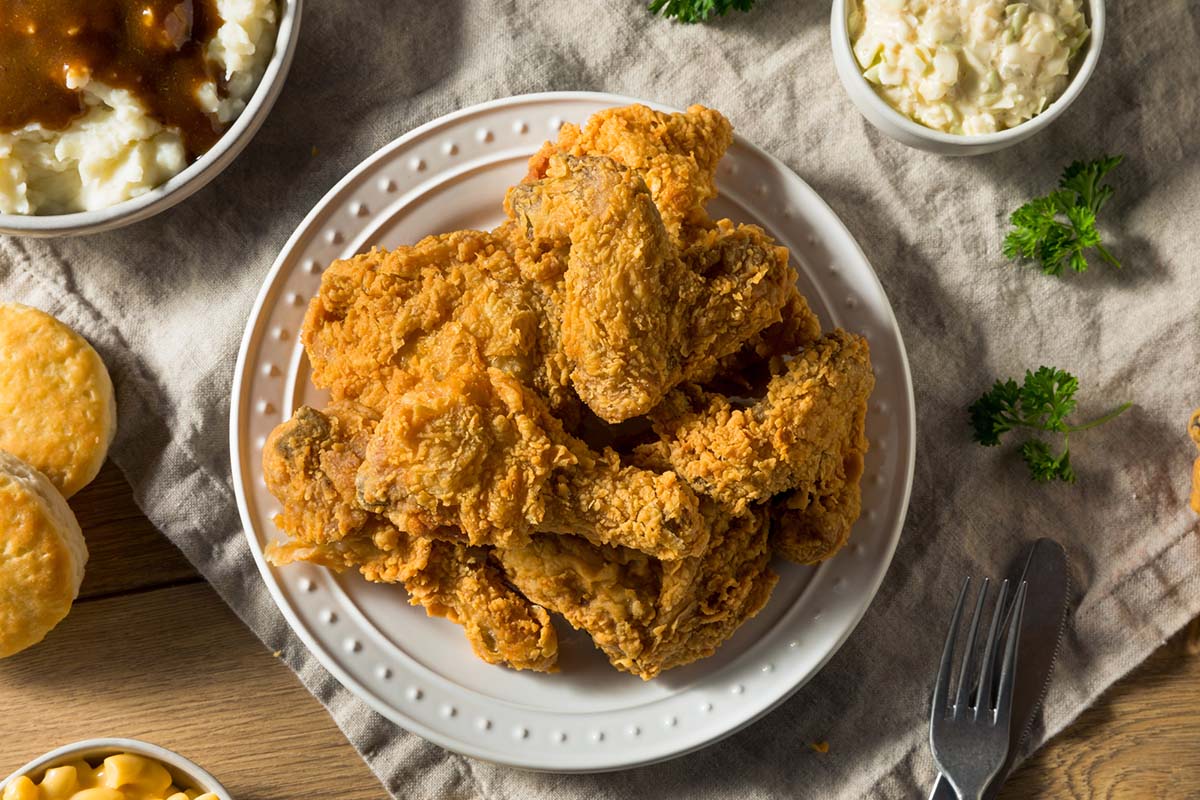
Soul food is deeply rooted in African American culture, originating in rural Southern Black communities as a symbol of resilience. Inexpensive ingredients, such as greens, cornmeal, beans, and sweet potatoes, were transformed into flavorful dishes by skilled cooks. The ethos of soul food was built around Sunday dinners, family gatherings, and church meals for the community. As such, many iconic dishes, such as fried chicken, macaroni and cheese, and peach cobbler, are prepared in batches.
Lowcountry
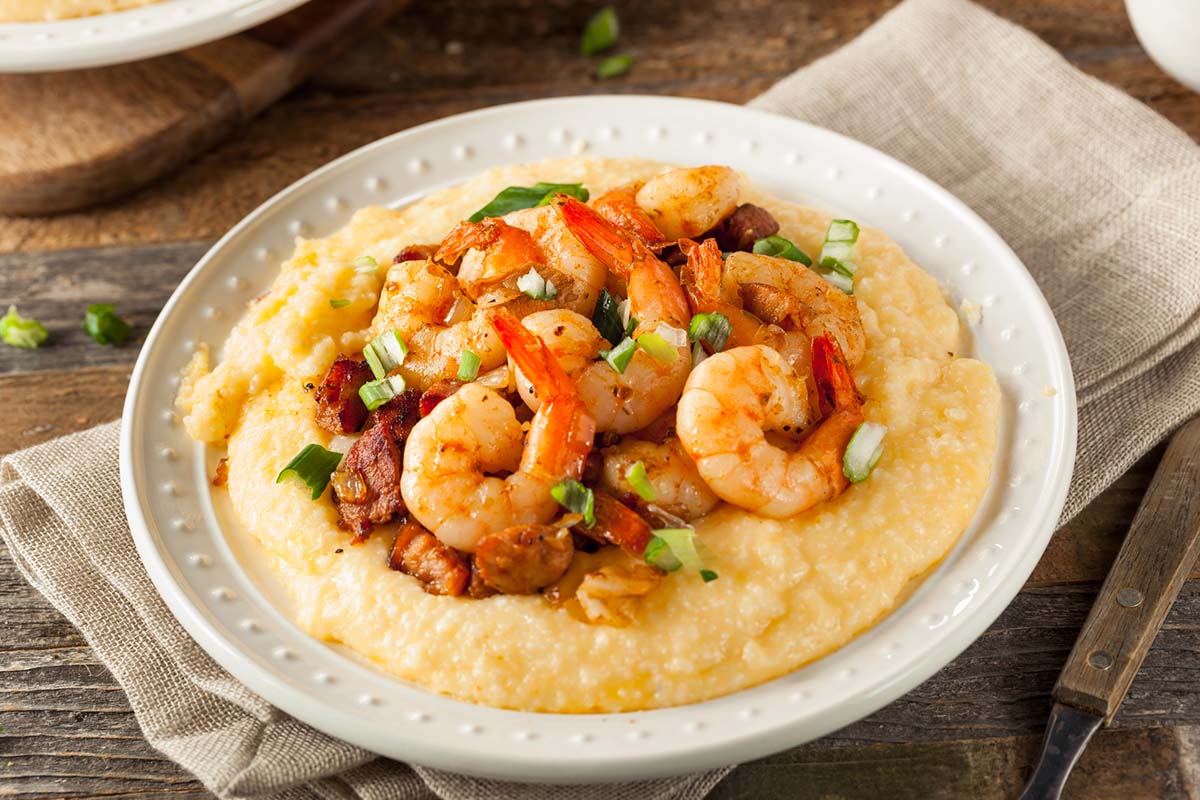
The Lowcountry style of Southern cuisine is shaped by coastal Southern cooking with a heavy focus on rice cultivation and seafood. It mainly originates from coastal South Carolina and Georgia, and is influenced by the Gullah Geechee people, descended from enslaved West Africans. Along with rice and seafood, other core ingredients include okra and benne seeds. Famous dishes are shrimp and grits along with frogmore stew and oyster roasts leaning into seasonal, local cooking.