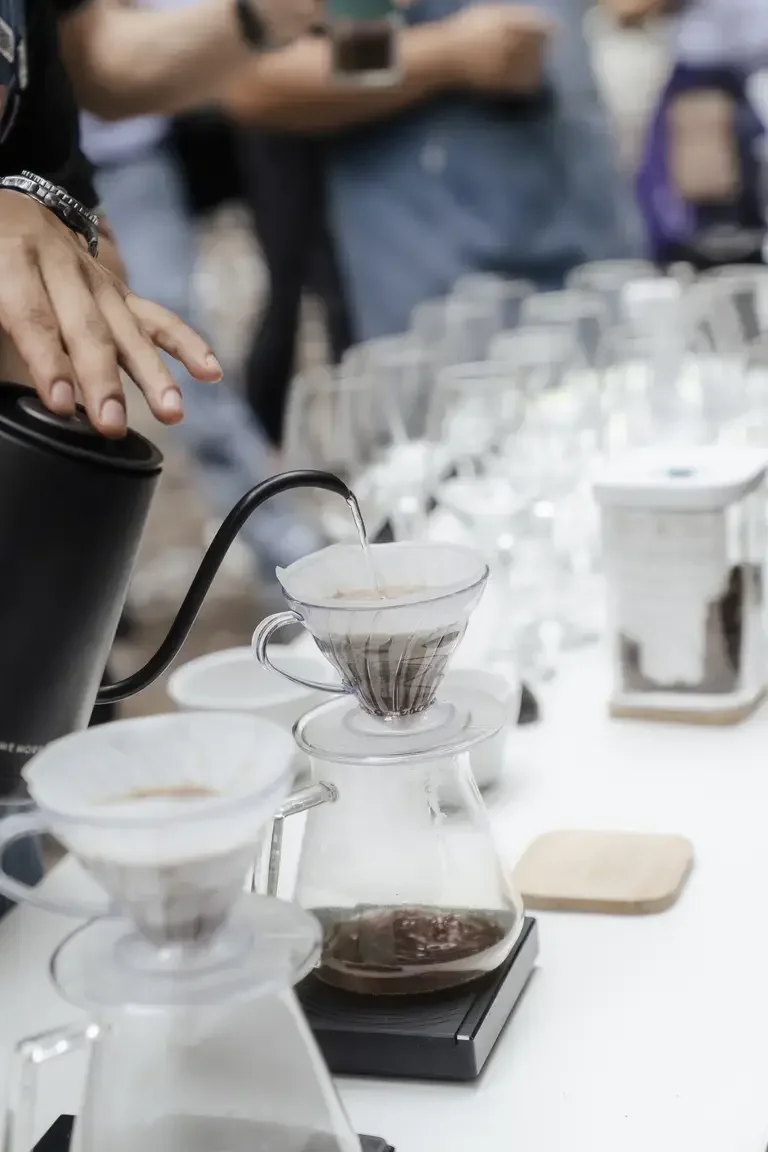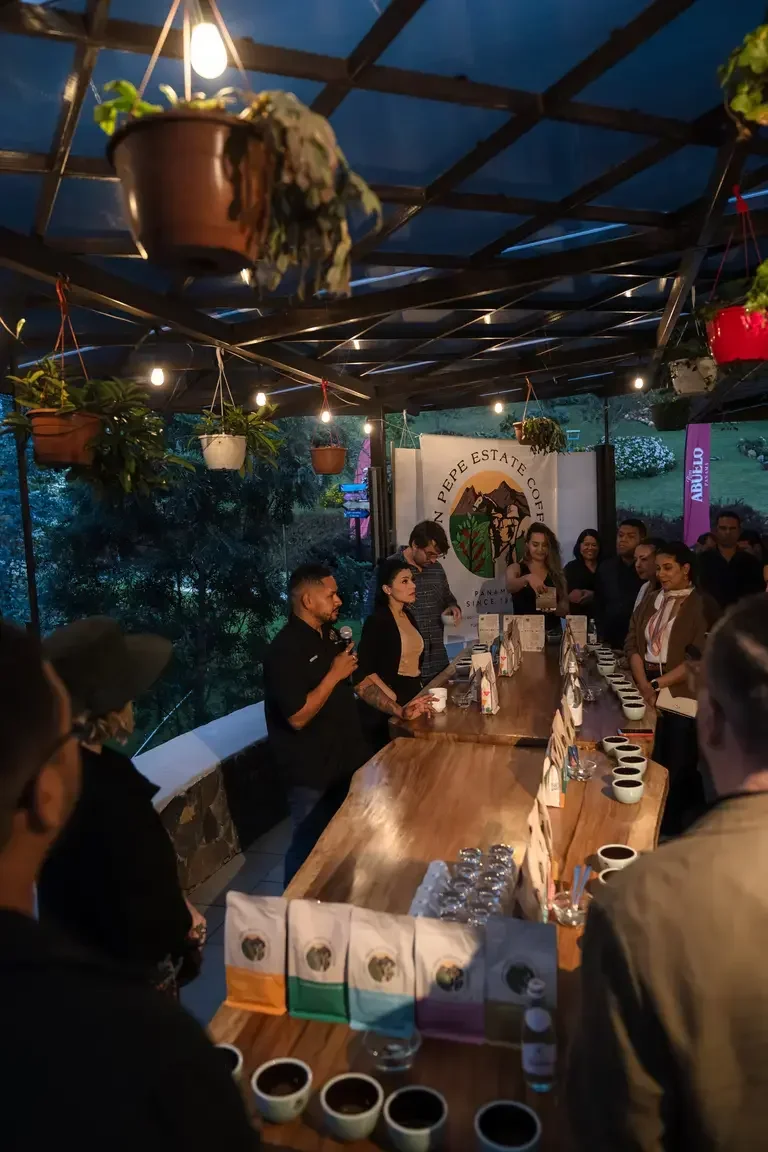
A few steps from Hacienda La Esmeralda’s cupping room in the highlands of Boquete, Jorge Chanis’ phone buzzes. The creator of Panama’s immersive coffee tourism experience La Cosecha is leading a tour when chef Gaggan Anand calls. Anand, whose Bangkok restaurant Gaggan ranked No. 6 on The World’s 50 Best Restaurants 2025, wants Hacienda La Esmeralda’s 98-point Washed Geisha, the highest-scoring coffee in Best of Panama history.
He can’t have it. The lot is headed to auction, where less than a month later it sells to Dubai’s Julith Coffee for a record $30,204 per kilogram.
Anand isn’t the only chef captivated by Geisha. Jordan Kahn, chef of two-Michelin-starred Vespertine in Culver City, is a longtime fan. “I tasted my first Geisha in 2016 – the year we opened Destroyer,” says Kahn. “I was [tasting] samples from many roasters for Destroyer, but one stood out: George Howell’s Gesha Village Estate Lot 109, Natural Process. I recall smelling and tasting it on the cupping table and never smelled anything like it. The taste was extraordinary and puzzling; I remember the coffee tasted like the color magenta to me. I’d been partial to landrace Ethiopia coffee for those beautiful bergamot, lavender, and lemongrass notes, but this had all of that in hypercolor with crazy juicy acidity. That’s when I learned about the Gori Gesha Forest, and I’ve been fascinated ever since.”
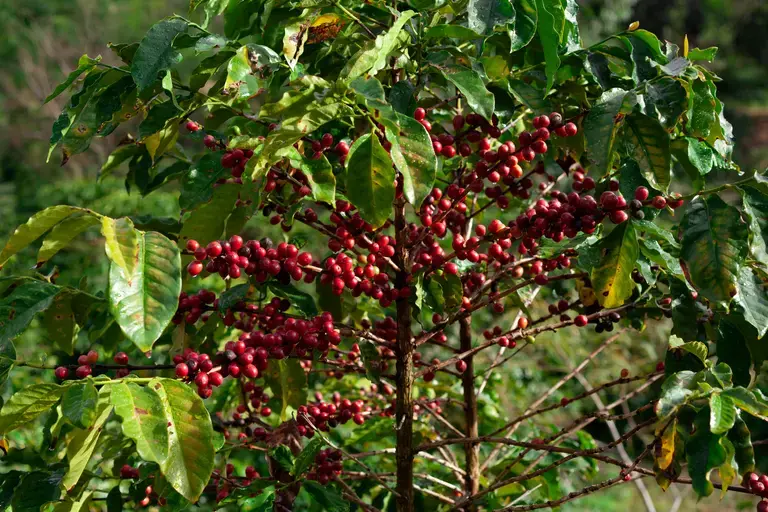
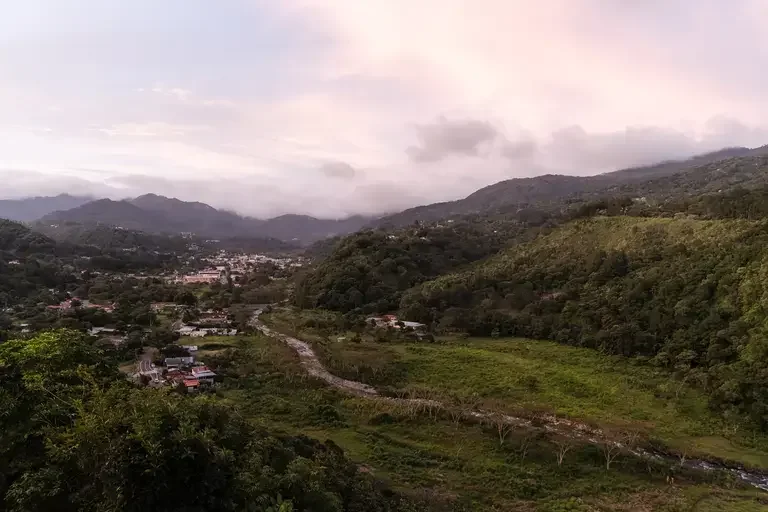
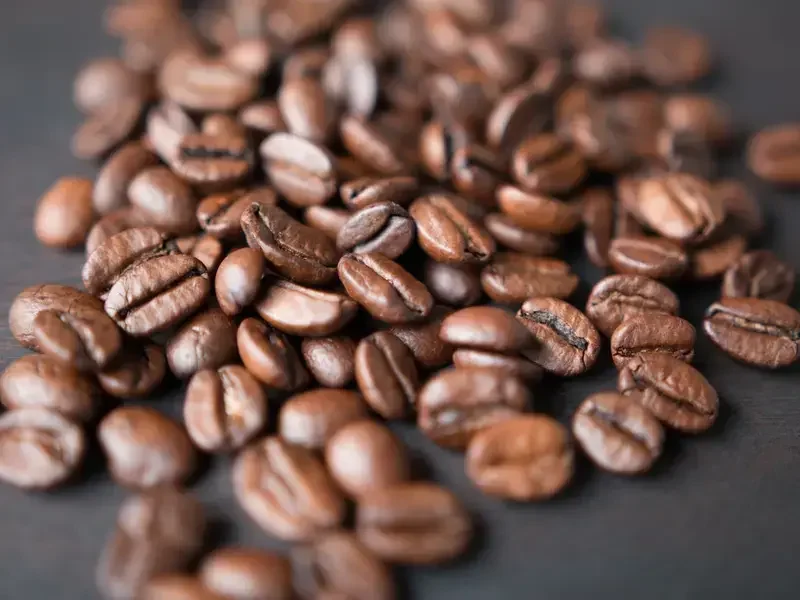
Panama Geisha is prized for its complex profile, with floral and citrus aromas, tropical fruit, delicate sweetness, and a tea-like body. In Boquete’s highlands, high elevation, volcanic soils, cool temperatures, and misty microclimates help produce the vivid aromatics for which the coffee is known.
Boquete is one of the world’s most celebrated regions for specialty coffee, particularly Geisha. “They’re definitely not created equal,” says Deaton Pigot, founder and CEO of Tectonic Coffee Company in West Hollywood, who has cupped Geishas from around the world. “There’s something clearly unique about the terroir in Panama that’s making it so successful. It brings a lot of attention to Panama and makes it a very attractive origin to buy from.”
Like fine wine, Panama Geisha reflects where and how it is produced, from individual growing sites to processing methods. Anand compares it to Pinot Noir from Burgundy. “I think it’s the best analogy,” he says.
Coffee has been grown in Boquete for more than a century, but Panama’s specialty coffee movement took shape in the 1990s. The Geisha variety was originally collected in Ethiopia in the 1930s, near a mountain whose name is most commonly rendered in English as Gesha. Early germplasm records used the spelling “Geisha,” which later became standard in Panama. At Hacienda La Esmeralda, the Peterson family found Geisha thriving at high elevation on its Jaramillo farm and separated the coffee into its own lot for the 2004 Best of Panama competition. The breakthrough encouraged producers to isolate microlots and refine harvesting and processing methods. Washed Geishas are generally prized for their bright clarity, while natural processing can produce fuller, fruitier cups.