
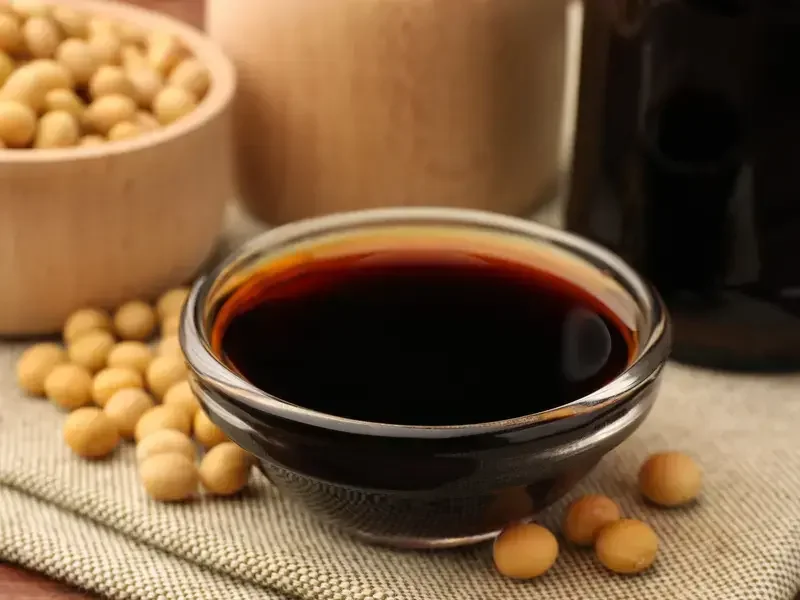
Whether you’re preparing a stir-fry, glaze, or marinade, several flavorful alternatives can recreate its depth and balance, from soy-based options to Japanese sauces like teriyaki or tamari.
Why Substitute Oyster Sauce?
Oyster sauce is traditionally made from oyster extract, soy sauce, sugar, and starch, creating a savory-sweet glaze that adds complexity to countless dishes. Its thick texture and balanced umami make it a go-to for everything from stir-fried vegetables to noodle dishes.
However, some cooks look for an oyster sauce replacement due to dietary restrictions, allergies, or availability. Since it contains shellfish and sometimes added MSG, vegetarian and vegan eaters often seek plant-based alternatives that capture its rich umami essence without compromising flavor.
Finding the right substitute for oyster sauce means understanding its three defining traits: salinity, sweetness, and depth. The goal isn’t to mimic oysters, but to achieve that same harmony of savory and caramelized notes that elevate a dish.
Best Alternatives and Their Flavor Profiles
If you’re out of oyster sauce or need an alternative for dietary reasons, several pantry staples can help replicate its flavor. Here are the most effective oyster sauce substitutes and what they bring to your recipes.
- Hoisin sauce: Made from fermented soybeans, garlic, and spices, hoisin sauce offers a thick consistency and sweet-savory flavor. It’s slightly fruitier than oyster sauce but works beautifully in marinades, glazes, and stir-fries.
- Soy sauce with sugar: A simple blend of soy sauce, brown sugar, and a few drops of sesame oil can emulate the sweet-salty balance of oyster sauce. Simmer briefly to thicken before using.
- Teriyaki sauce: This Japanese sauce provides sweetness and sheen from mirin and sugar, making it a suitable alternative in recipes where a glossy finish is key.
- Worcestershire sauce: With its tangy, fermented complexity, this Western condiment adds umami depth, though it’s lighter in texture and best for sauces and meat marinades.
- Homemade vegan oyster sauce: A blend of mushroom broth, soy sauce, and a touch of molasses can recreate the earthy-sweet flavor profile with remarkable authenticity.
Each substitute brings a slightly different character, so it’s worth adjusting proportions to match your dish’s needs.
Using Soy-Based and Vegan Options
Among all oyster sauce alternatives, soy-based versions are the most common and versatile. Dark soy sauce, for example, offers depth and color similar to oyster sauce but with a saltier, less sweet profile. Mixing it with sugar or maple syrup balances the flavor.
For plant-based cooking, mushroom-based sauces are the go-to solution. Shiitake or oyster mushrooms naturally contain glutamates that deliver umami richness. Simmering them with soy sauce, garlic, and cornstarch creates a smooth vegan oyster sauce that’s perfect for stir-fries, dumpling fillings, or fried rice.
Another excellent option is tamari, a Japanese gluten-free soy sauce with a rounded umami taste. Combined with a bit of brown sugar and rice vinegar, tamari provides a nuanced, savory-sweet substitute ideal for vegan and gluten-free diets.
When to Use Fish Sauce or Mushroom Sauce
If your goal is to retain an authentic Asian depth, fish sauce can be used sparingly in place of oyster sauce—particularly in Thai or Vietnamese recipes. It’s saltier and more pungent, so start with half the amount and balance with sugar or a drizzle of soy sauce to achieve roundness.
For vegetarian or vegan dishes, mushroom sauce is an outstanding alternative. Derived from mushrooms like shiitake or king oyster, it offers the same earthy, umami flavor without animal products. Mushroom sauce also provides a similar glossy texture, making it excellent for stir-fries, braised vegetables, or noodle dishes.
In fusion cooking, chefs sometimes blend fish sauce with Japanese sauces such as mirin or dashi to temper the intensity and introduce subtle sweetness—a method that mirrors the complexity of oyster sauce while enhancing balance.
Tips for Balancing Flavor in Recipes
When using an oyster sauce substitute, achieving the right harmony of saltiness, sweetness, and umami is key. Here are a few guidelines:
- Add sweetness: If your alternative leans too salty, introduce a touch of honey, brown sugar, or mirin.
- Thicken for texture: Simmer the sauce briefly with cornstarch or reduce it on low heat to replicate oyster sauce’s glaze-like body.
- Layer flavors: Combine soy sauce with aromatic oils, garlic, or ginger to build depth.
- Experiment with Japanese sauces: Mixing tamari, mirin, and a bit of miso paste can create a balanced, chef-style oyster sauce substitute with layered umami.
Ultimately, the best oyster sauce substitute depends on your dish. For traditional Asian stir-fries, use soy or mushroom-based sauces; for fusion cuisine, try hoisin or teriyaki. Each brings its own nuance—and with careful balance, you can achieve that signature glossy, umami finish that defines so many beloved recipes.