Paella is one of Spain’s quintessential dishes. Today, the rice-based dish is often associated with coastal versions featuring a mix of poultry and shellfish. However, its origins trace back to inland Valencia, where it began as a humble farmer’s meal in the 14th century.
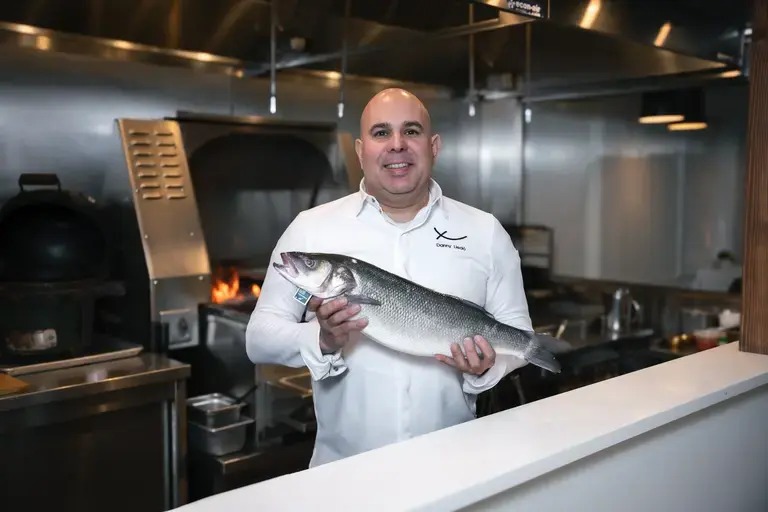
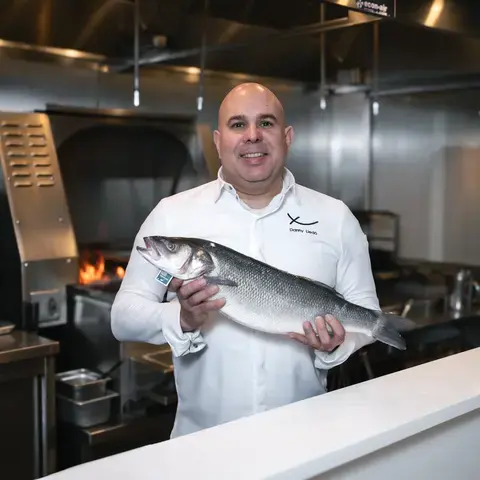
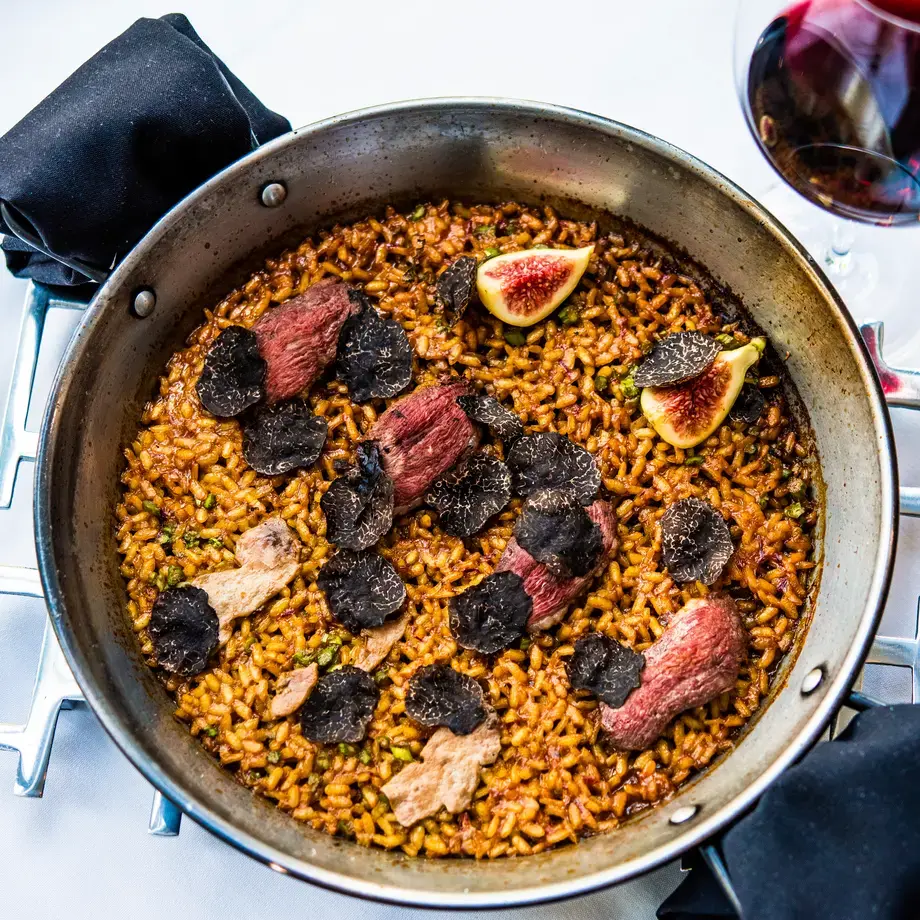
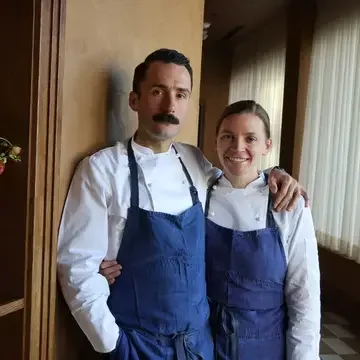
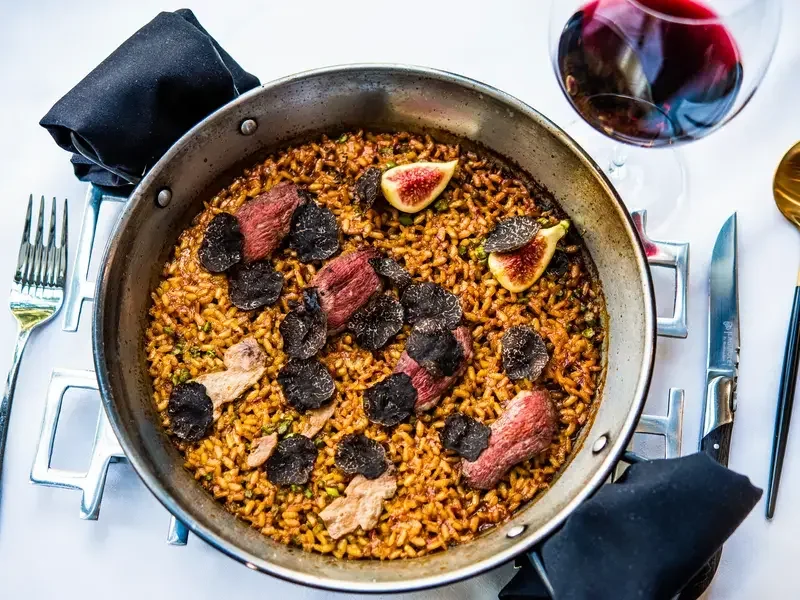
At Xiquet in Washington, D.C., chef-owner Danny Lledó honors paella’s origins with a duck version that reflects the inland traditions of Albufera, the pastoral birthplace of the dish. About 10 miles south of Valencia, the Albufera lagoon serves as a winter refuge for migrating ducks from northern Europe, shaping generations of local cuisine rooted in seasonality. “Just as the Albufera sustains life between sea and sky, our duck paella offers a soulful taste of a lesser-known, yet deeply authentic, chapter in Spain’s culinary story.”
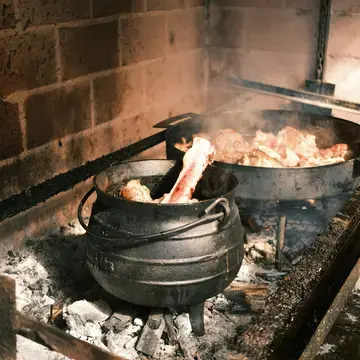
Crafted with bomba rice, aromatic sofrito, and duck breast, “it’s not a coastal paella, it’s one that evokes marshland fires, winter migration, and the slow rhythms of rural Valencia,” says Lledó.
Because paella is a complete dish with protein, starch, and vegetables, it is often considered a meal in itself. “Personally, I get so excited about the paella that I sometimes forget about what comes before it,” says Lledó. “But you always want something to open the appetite and prepare the palate.”
Depending on the style of paella he is preparing, Lledó serves light seafood, a simple salad, or something fresh and bright as a small appetizer. “The goal isn’t to compete with the paella, it’s to gently awaken the senses,” he says.
On National Paella Day, March 27, Lledó shares a few tips for mastering the art of paella. The first is finding a style that resonates with you. “The beauty of paella is that it can be rustic and simple or elegant and refined; each style tells a different story.”
Once you have decided on your recipe, remember to respect the rice and not rush the process. “Paella is about patience and understanding heat control; let the rice cook undisturbed, no stirring once the liquid goes in,” says Lledó. Rice should be tender with some structure, never mushy.
An often overlooked detail that Lledó says is a make-or-break element in paella is the broth. “The rice absorbs everything, so the depth and balance of your stock define the final result.”
Finally, embrace the socarrat, the caramelized bottom layer that “is where the magic happens,” says Lledó.
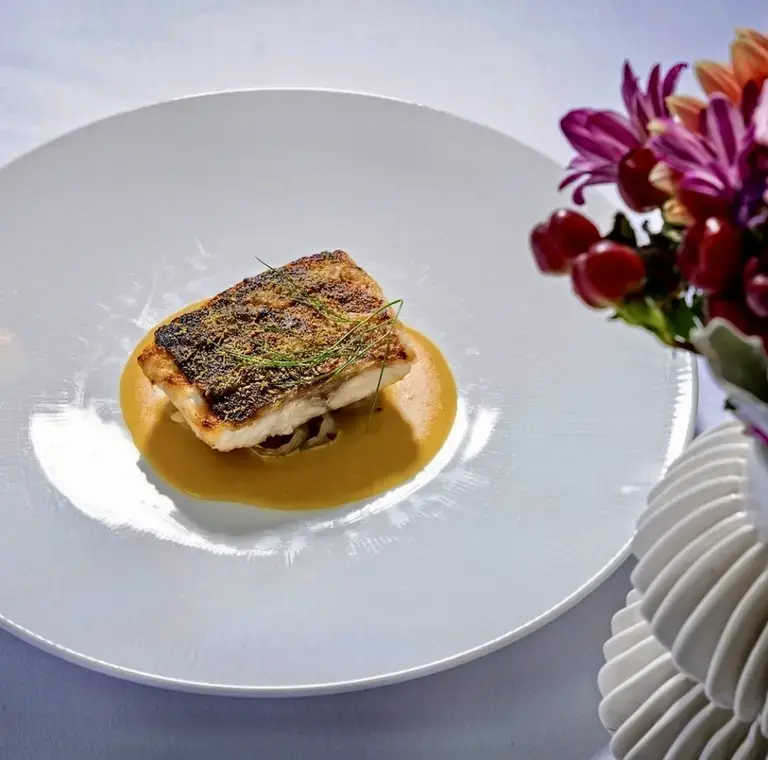
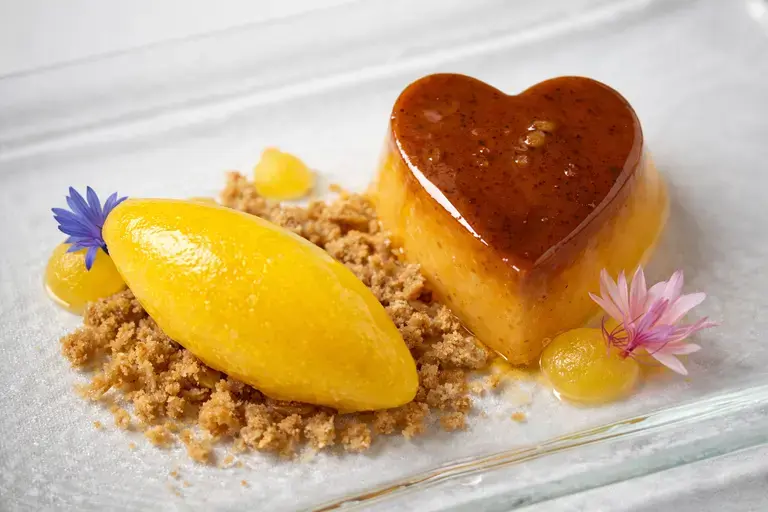
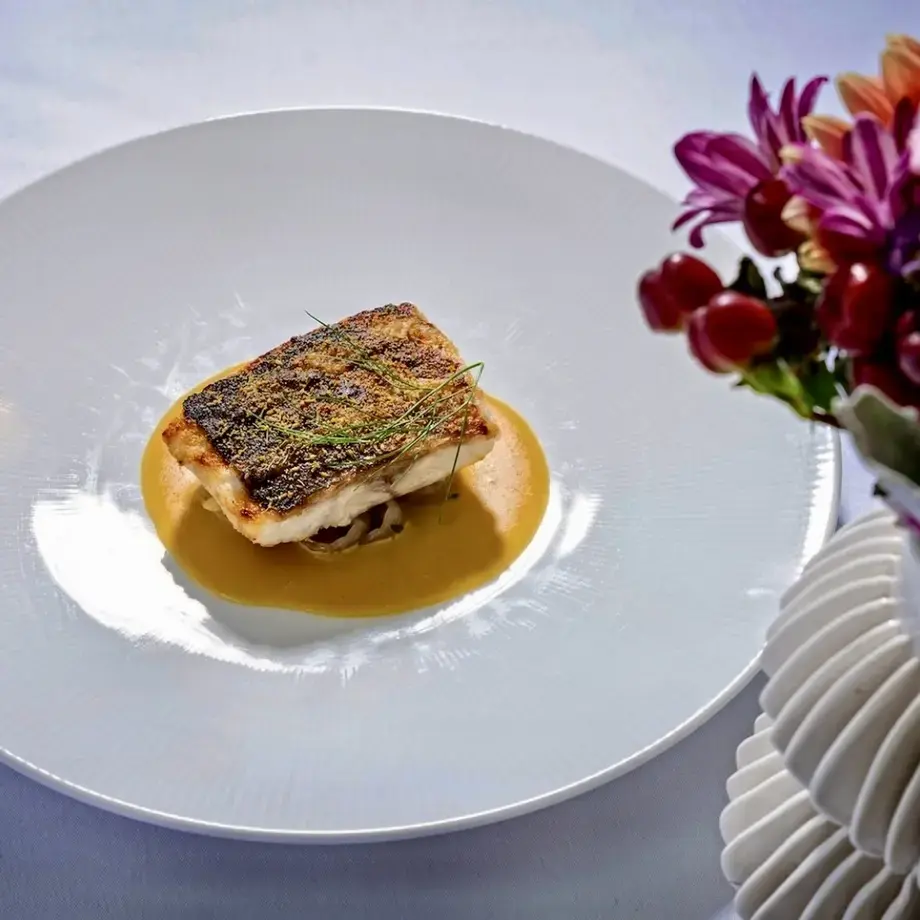
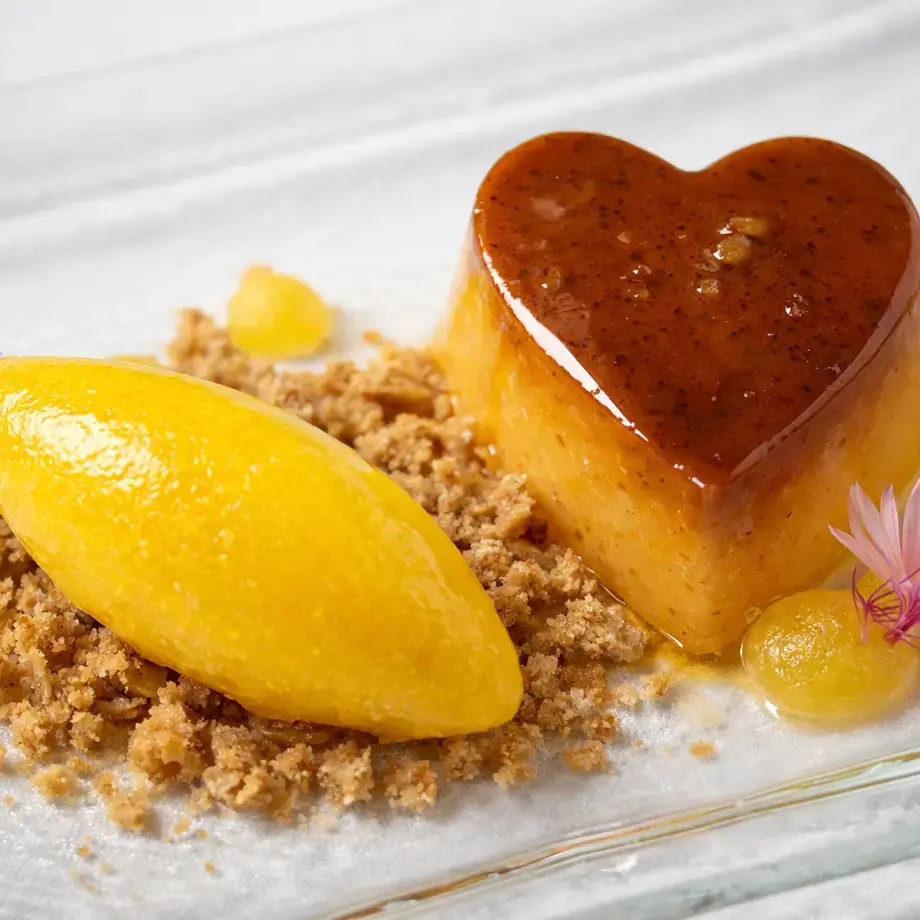
Below, Lledó celebrates National Paella Day with a three-course meal rooted in Valencian produce and simplicity, from start to sweet finish.