Toward a Legacy of Energy and Healing
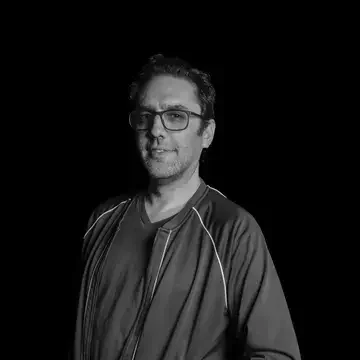
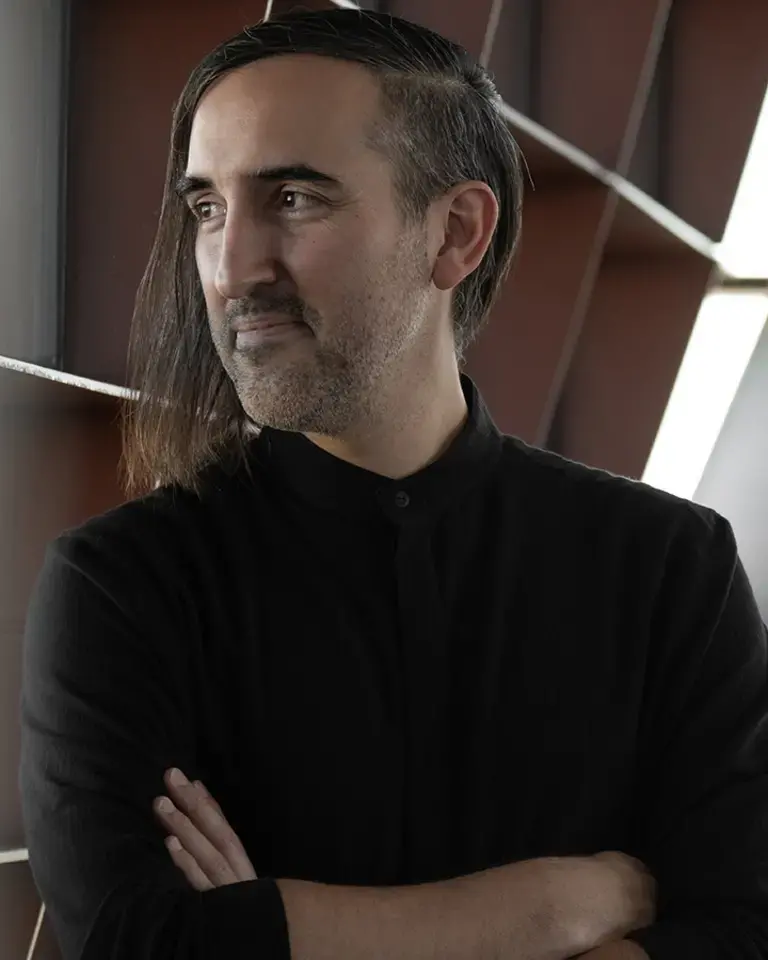
Kahn’s philosophy stretches beyond nutrition in the clinical sense. He talks about biodynamic farming, osteopathy, and Chinese herbal medicine with the same focus he once applied to plating. What connects them is a conviction that food should not just taste good but make people feel something—in the moment and long after the meal.
“Some of the greatest memories that you’ve had in your life of food…had very little to do with taste of the ingredient,” he says. “A lot of it had to do with the feeling that that experience gave you, not just the environment and who you’re with, but also…ingredients themselves have an impact on the way that you feel. There’s a physiology connection point.”
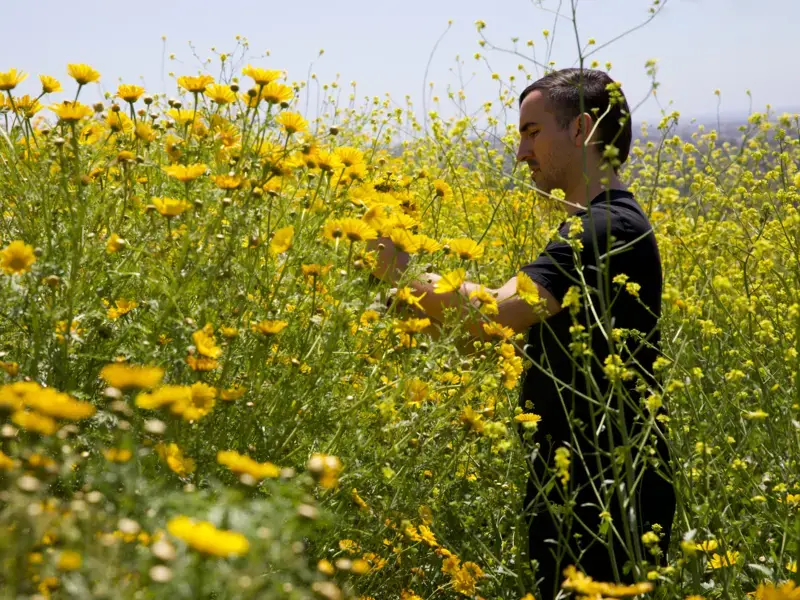
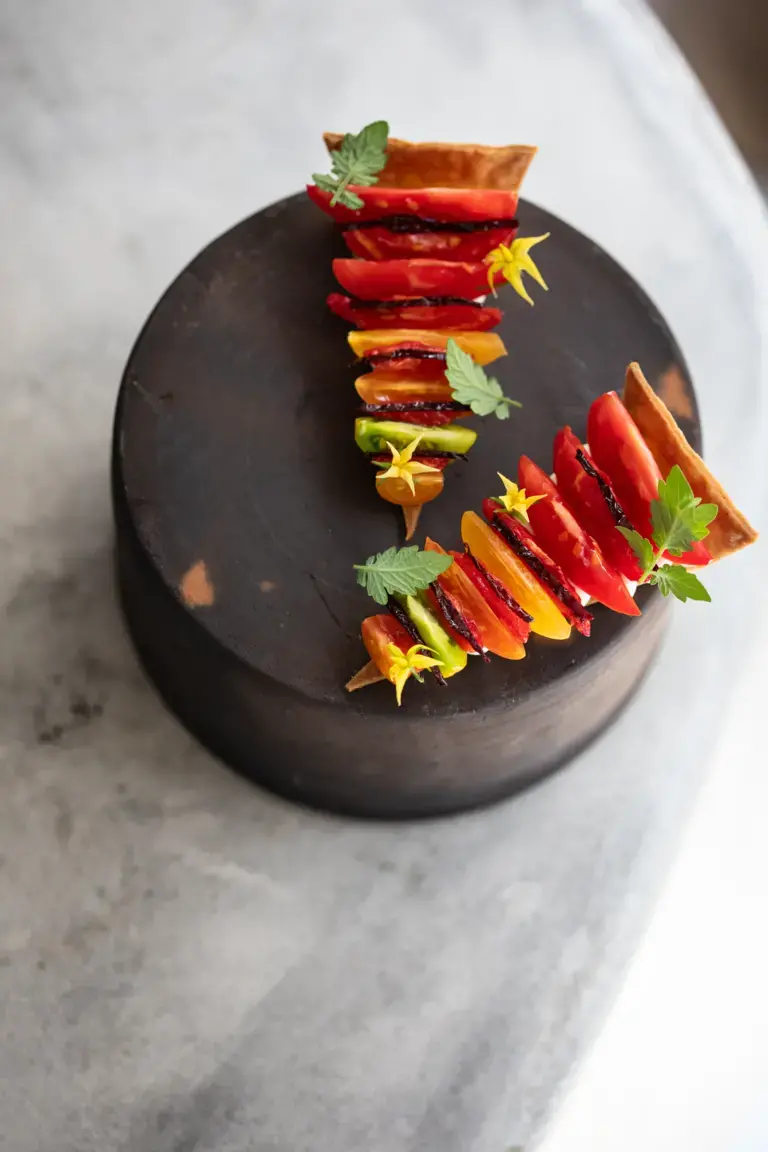
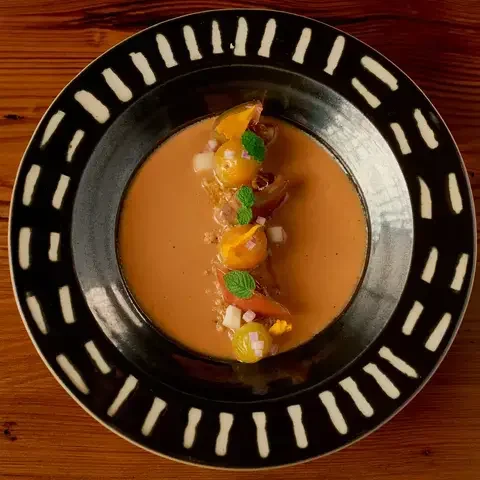
He recalls conversations with doctors and herbalists who frame ingredients as carriers of energy. A tomato grown in healthy, living soil has a fundamentally different nutritional profile—and, he argues, a different energetic impact—than the same variety grown in a hothouse. That difference, he believes, is not just measurable in a lab but perceivable in the body.
Kahn is quick to acknowledge that this is not territory Western science fully maps. But he leans on both intuition and tradition to push the conversation forward. He cites Chinese medicine, where practitioners have long matched the energies of certain ingredients to individual patients, and osteopathy, which views the body as an interconnected system rather than isolated parts. For him, these approaches offer language for something chefs have always sensed: that food shapes not just pleasure or satiety but mood, energy, and overall health.
All of this is leading Kahn toward something larger than his existing restaurants. The next chapter, as he imagines it, will not be another Michelin-starred opening but a space devoted to study, teaching, and experience.
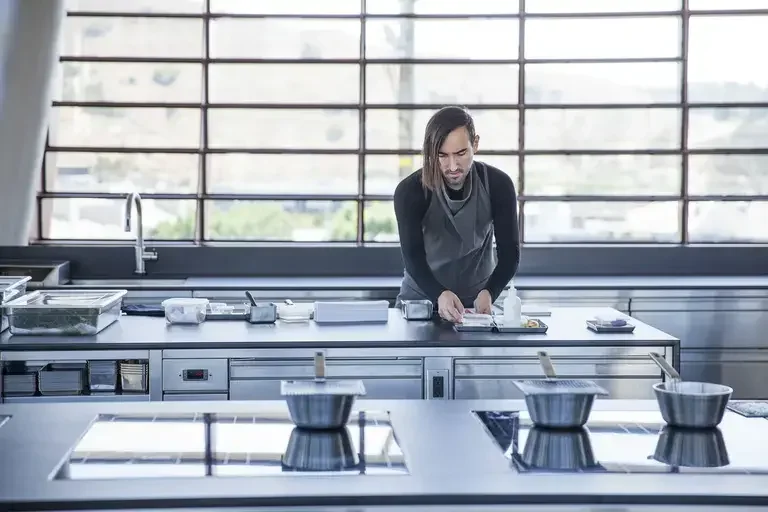
“I’m looking to put together…a research facility, but that doesn’t feel like one,” he says. “A place…you can go and experience something extraordinary that has everything to do with your health and all aspects of it, centered around food. It’s not a restaurant, but that becomes a jumping-off point to create satellite versions…because we can enact change much more deeply through experience than we can purely through education.”
The idea is as ambitious as any of his past projects, but the goal is different. Rather than pushing cuisine further into the avant-garde, Kahn wants to build an infrastructure for education and a way to spread awareness of how nutrition, energy, and pleasure converge in the act of eating. Culinary schools, he suggests, could be one of the most effective entry points, shaping the next generation of chefs to think of themselves not only as creators of pleasure but as stewards of health.
The inspiration, he admits, is not entirely futuristic. It goes back to his grandmother in Savannah, who tended a backyard garden and brewed teas and tinctures from herbs she grew herself.
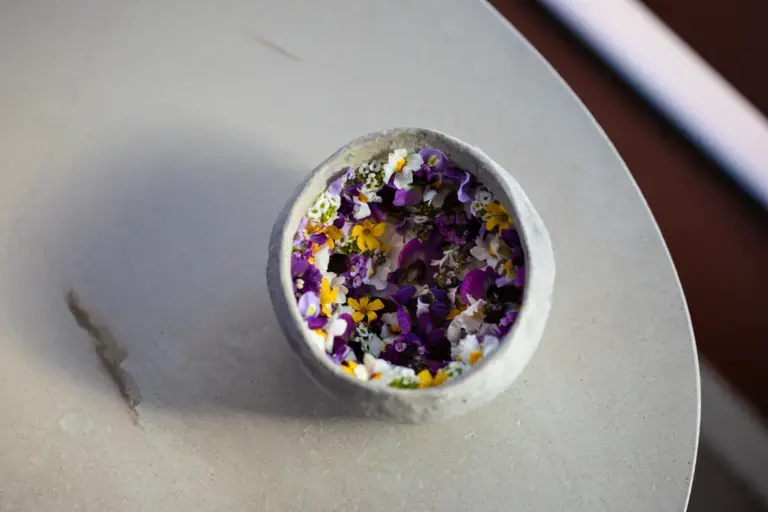
“She was known in our family as being a bit of a witch,” Kahn recalls with a laugh, “but not in an evil way. And so a lot of that grandma intuition was present with me when I was cooking, when I’m at the restaurants. Nobody can see it when you look at a place like Vespertine—grandma is the last thing that you think of—but she’s in everything.”
For Kahn, that’s the thread tying together the mountain of fine dining, the search for purpose, and the vision of a new kind of culinary legacy: not just dazzling meals, but food that heals, teaches, and endures.