Don't want to go out? Tired of delivery? Bored with frozen pizza? Making restaurant-quality pizza at home is easier than you might think, especially with tips from Giulio Adriani, a pizzaiolo, pizza consultant, and owner of four Slice & Pie locations and Lucy, an Italian restaurant and bar specializing in Neapolitan pizza, all in Washington, D.C. Adriani has earned trophies at the International Pizza World Championship and Pizza World Cup, as well as a place in Guinness World Records for helping craft the world's longest pizza. His techniques will help you make better pizza at home, whether you're just getting started or looking to refine your skills.
How to Make Better Pizza at Home
Award-winning pizzaiolo Giulio Adriani shares his essential tips for better dough, toppings, and technique.
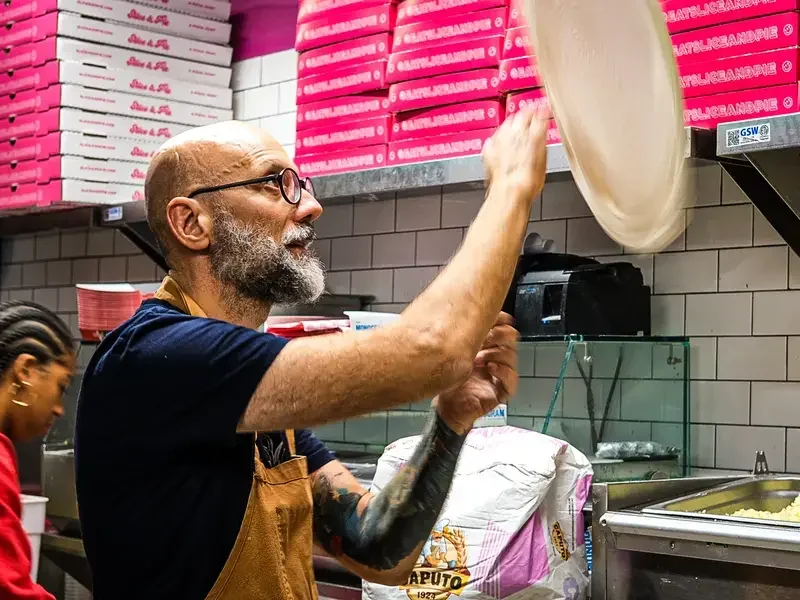
Giulio Adriani. Credit: Maria Lustre Rebrikova
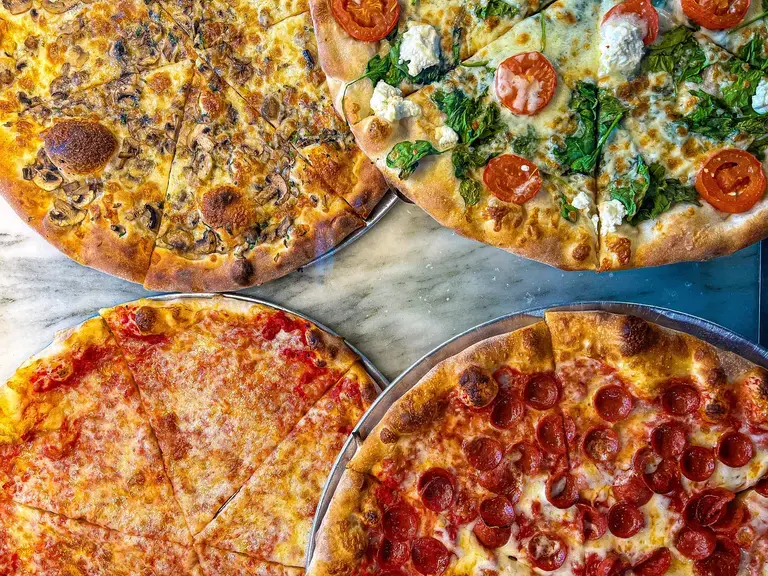
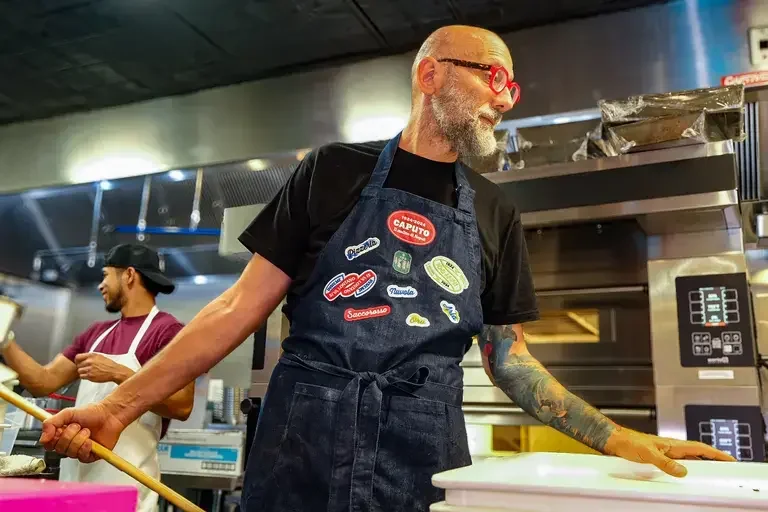
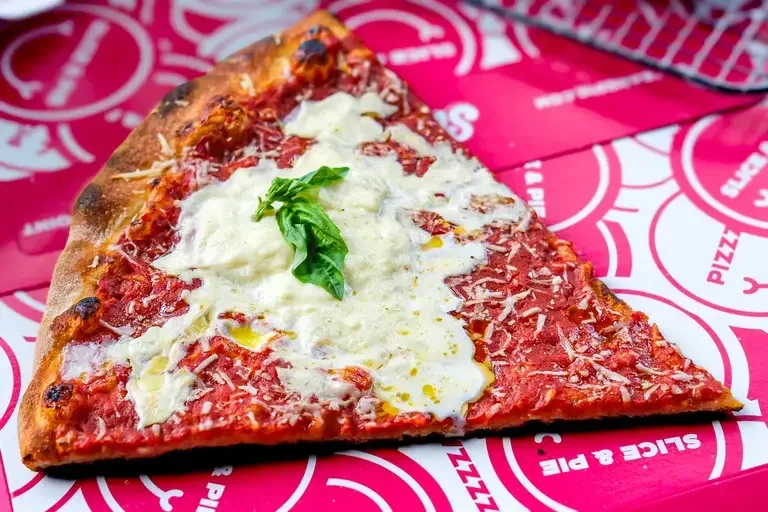

Use the Right Equipment
It's worth investing in a digital kitchen scale for measuring flour and water, along with a smaller scale for yeast and salt. A dough scraper makes it easy to divide and move dough, while a pizza wheel or sturdy kitchen shears make quick work of slicing finished pies. Store the dough in large, sealable plastic containers while it proofs. If you're making New York-style pizza in a conventional oven, a baking steel will help produce a crisper crust. A pizza peel is essential if you're using a countertop, portable, or backyard pizza oven. "And you also need a stand mixer. KitchenAid makes some great ones because when you mix the dough by hand it's easy to either under- or overmix it," says Adriani.
Buy the Best Ingredients
Pizza requires just a handful of ingredients, so each one matters. Adriani recommends King Arthur '00' Pizza Flour or Pizza Flour Blend, or Caputo Chef's Flour Tipo "00." Fresh yeast is ideal, but because it can be difficult for home cooks to find, instant yeast is a good alternative. Use fine sea salt or kosher salt, never iodized salt, which can leave a metallic aftertaste. For the sauce, Adriani recommends high-quality organic crushed tomatoes, such as Muir Glen or Bianco DiNapoli. Don't forget the extra-virgin olive oil, which helps crisp the crust and makes the pizza easier to remove from the pan. The toughest ingredient to source may be the cheese. "It's hard to find a high-quality, low-moisture mozzarella for home use," says Adriani. "I would go to a local pizza shop and ask if you could buy a pound or two of cheese from them."
Start Simple
"Grandma-style pan pizza is the easiest option, because it’s the most forgiving and you can make it at 500°F in a regular oven," says Adriani. "It’s easy to adjust the shape of the crust in the pan or patch a hole. And once you master it, you can expand to make Sicilian, Detroit, and Roman styles of pizza as well."
Use Key Techniques
To proof your dough, place the divided, balled portions in a well-oiled, sealed plastic container. Place the container in the oven with the oven light on, which provides enough warmth to encourage rising. When baking pizza, consider switching to the broiler at the end to add color, caramelization, and crispness. Make sure the oven door window is clean so you can easily monitor the pizza's progress. The more you open the door, the more heat you lose, making the difference between a nicely inflated, well-browned crust and a flatter, paler one. "The secret ingredient in pizza is patience," says Adriani.
Elevate Your Toppings
Adriani is a passionate proponent of pineapple on pizza. He likes to lightly salt cubes of the tropical fruit and roast them at 400°F until they're caramelized. "The sweetness is a nice pairing with a salty component, like sausage, salami, or ham," says Adriani. He also likes showcasing a variety of fruits on pizza, including apples, pears, and peaches.

About the author
Nevin Martell is a D.C.-area based food and travel writer, parenting essayist, recipe developer, and photographer who has been published by The Washington Post, National...
Read More







Get your free hot trends guide
Sign up for our monthly round-up of foodie inspiration and unlock our exclusive guide to what's hot in food and drink this year.
Get your free plating guide
Sign up for our monthly round-up of foodie inspiration and receive our exclusive plating guide free.
Discover your next fav spot
Sign up for our monthly round-up of foodie inspiration and receive our exclusive restaurant guide free.