
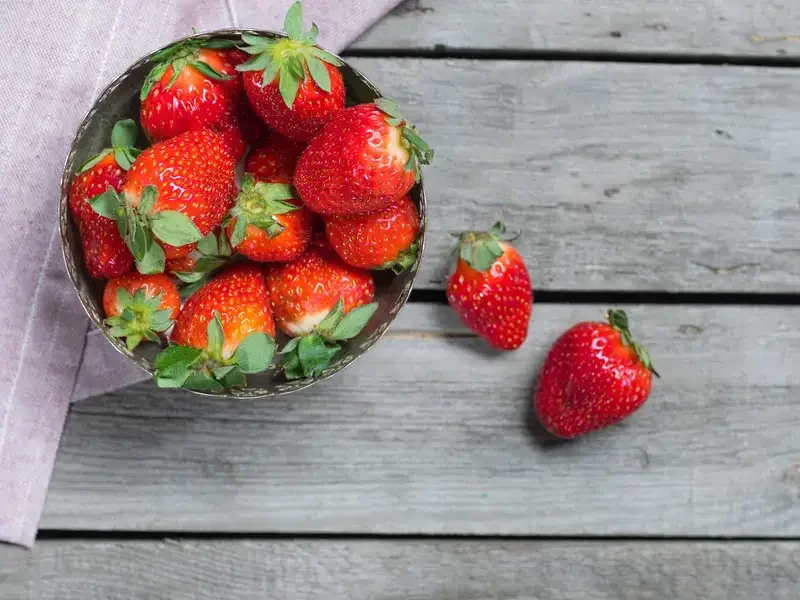
Whether picked at the market or from your garden, strawberries are notoriously fragile. A single overly ripe berry can accelerate spoilage for the rest, and mishandling or poor storage can dull their flavor and texture. In this guide, we explore the best ways to store strawberries, from selection to container choice, handling to humidity—all with the goal of maximizing freshness, aroma, and shelf life.
How to Store Strawberries After Buying
The clock starts ticking the moment strawberries are harvested. To give them the best chance of lasting, start with proper post-purchase handling.
- Sort immediately: remove any damaged or moldy berries to prevent contamination.
- Avoid washing: unless you’re ready to eat them, keep berries dry to slow mold growth.
- Use a shallow container: stacking causes bruising—spread berries in a single layer if possible.
- Line with paper towels: this absorbs excess moisture and protects against rot.
If you’ve bought a large batch, reserve the ripest for immediate use and prioritize storage techniques for the rest.
The Best Containers and Storage Methods
Strawberries fare best in containers that provide both airflow and protection.
- Vented produce containers: these allow air circulation and reduce trapped humidity.
- Glass containers with paper towel lining: ideal for a clear view and moisture control.
- Salad spinners (basket only): a temporary hack—great for draining berries post-wash and keeping them elevated.
Avoid sealed plastic bags or airtight containers, which trap moisture and accelerate decay. If your fridge has a humidity-controlled drawer, set it to low for strawberries.
For even longer storage, consider flash-freezing cleaned, hulled berries in a single layer on a baking tray before transferring them to freezer-safe bags.
Fridge vs Room Temperature: What Works Best
The question of how to keep strawberries fresh in the refrigerator comes down to time.
- Room temperature: best for same-day consumption. Leave berries unwashed in a cool, shaded area.
- Refrigeration: extends life up to 5–7 days with proper storage. Always keep berries dry and in breathable containers.
Refrigeration slows spoilage but also dulls flavor slightly. If serving berries raw, remove them from the fridge 30 minutes before eating to restore aroma and taste.
How to Handle and Prep Strawberries for Longevity
Handling makes all the difference.
- Hull gently: only remove stems when you’re ready to eat or use them.
- Avoid overcrowding: even in storage, space prevents bruising and moisture buildup.
- Inspect regularly: remove any soft or spoiled berries daily to protect the rest.
When prepping for baking or cooking, consider maceration (tossing with a little sugar or citrus juice) to extend use and enhance flavor, especially if berries are slightly overripe.
For savory ideas that use strawberries creatively, explore our best savory recipes with strawberries.
When to Wash: Before or After Storage?
One of the most frequent mistakes with strawberries is washing them too soon. Moisture is the enemy of longevity when it comes to berries, which are highly susceptible to mold and spoilage. Here’s how to approach washing wisely.
- Do not wash before storing: excess moisture settles into the small crevices of the berry’s skin and accelerates mold growth. Even a few drops trapped at the stem can turn into rot within 24–48 hours.
- Wash just before using: when you’re ready to enjoy your strawberries, rinse them gently under cool running water. To preserve the delicate skin and minimize bruising, avoid soaking or using forceful streams. Lay them out on a clean kitchen towel or paper towel to dry fully before serving or incorporating into dishes.
- The vinegar rinse method: if you need to pre-wash for meal prep or accessibility, create a gentle cleaning solution using 1 part white vinegar to 3 parts water. Soak berries for about 2 minutes, rinse thoroughly under cool water, then dry completely. This method can kill surface bacteria and mold spores, potentially extending the shelf life by an extra day or two.
- Drying matters: after rinsing, be meticulous about drying. Use a salad spinner lined with paper towels or allow berries to air-dry in a single layer before storage. Any residual moisture is counterproductive to freshness.
For more fruit-focused inspiration, explore our seasonal guide to the 10 spring fruits you should know.
Handled with care, strawberries can remain flavorful and photogenic well beyond the day they’re picked. Their brightness enlivens everything from plated desserts to composed salads, infused waters, or even savory sauces. By applying these expert techniques, you not only reduce waste but elevate your ingredients—ensuring each berry lives up to its full culinary potential.