If you are unsure how to clean shrimp, what deveining shrimp actually means, or whether you always need to do it, a clear method makes the process faster and more consistent. Learning how to peel and devein shrimp also opens the door to more refined dishes, where texture and presentation matter just as much as flavor.
Here is a practical guide to how to devein shrimp, with or without the shell on, plus tips on tools, food safety, and what to do with your shrimp once they are prepped and ready to cook.
What Does It Mean to Devein Shrimp?
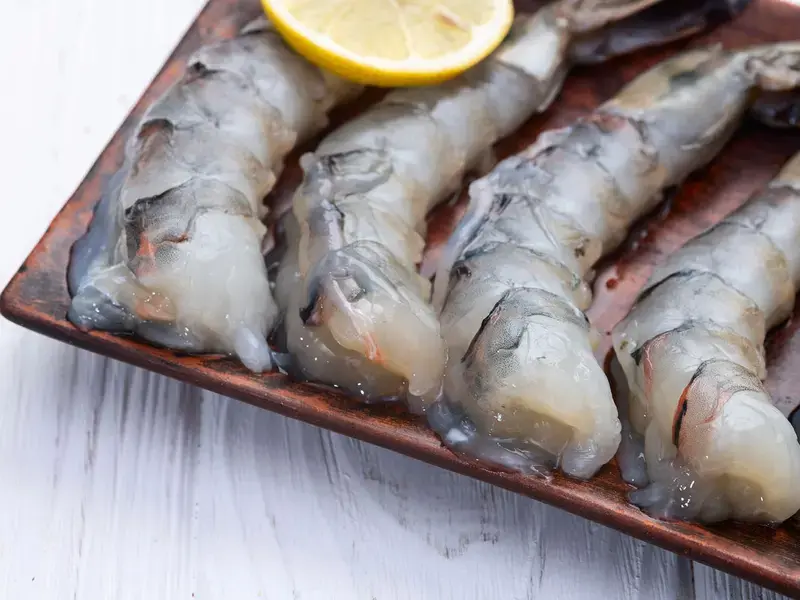
When recipes tell you to “devein” shrimp, they are asking you to remove the dark line that runs along the back of the shrimp. This “vein” is actually the digestive tract.
It is not a vein in the anatomical sense, but a narrow channel that can contain grit and partially digested food. Removing it:
- Improves appearance, especially for dishes where shrimp are served whole;
- Can improve texture, avoiding any sandy or mushy bites;
- May slightly refine the flavor, especially in larger shrimp.
From a food-safety perspective, the tract is not inherently dangerous when you are working with fresh raw shrimp that will be cooked properly, but many chefs consider deveining shrimp standard practice for medium to large sizes, both for aesthetics and for a cleaner taste.
Tools You’ll Need to Devein Shrimp
You do not need special equipment to learn how to devein shrimp at home. A few basic tools make the job easier and faster.
- Small, sharp knife: a paring knife works well for making shallow cuts along the back.
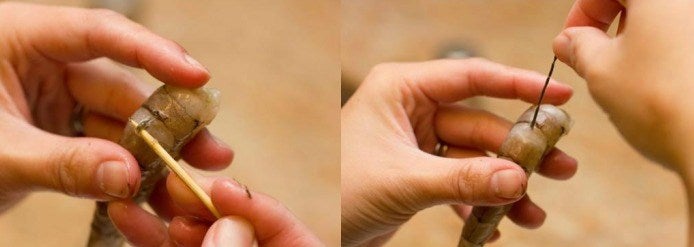
- Shrimp deveiner or small skewer (optional): these tools help hook and lift the vein in one motion, especially if you want to know how to devein shrimp with shell on.
- Cutting board: ideally non-porous and reserved for seafood or raw proteins.
- Bowl of cold water: to rinse off any stray bits as you work.
- Paper towels: for patting shrimp dry after cleaning.
Having everything set up before you start makes cleaning raw shrimp feel more like a smooth prep step and less like a chore, especially when you are working through a large batch for a recipe such as shrimp tempura, shrimp ceviche, or a baked shrimp casserole.