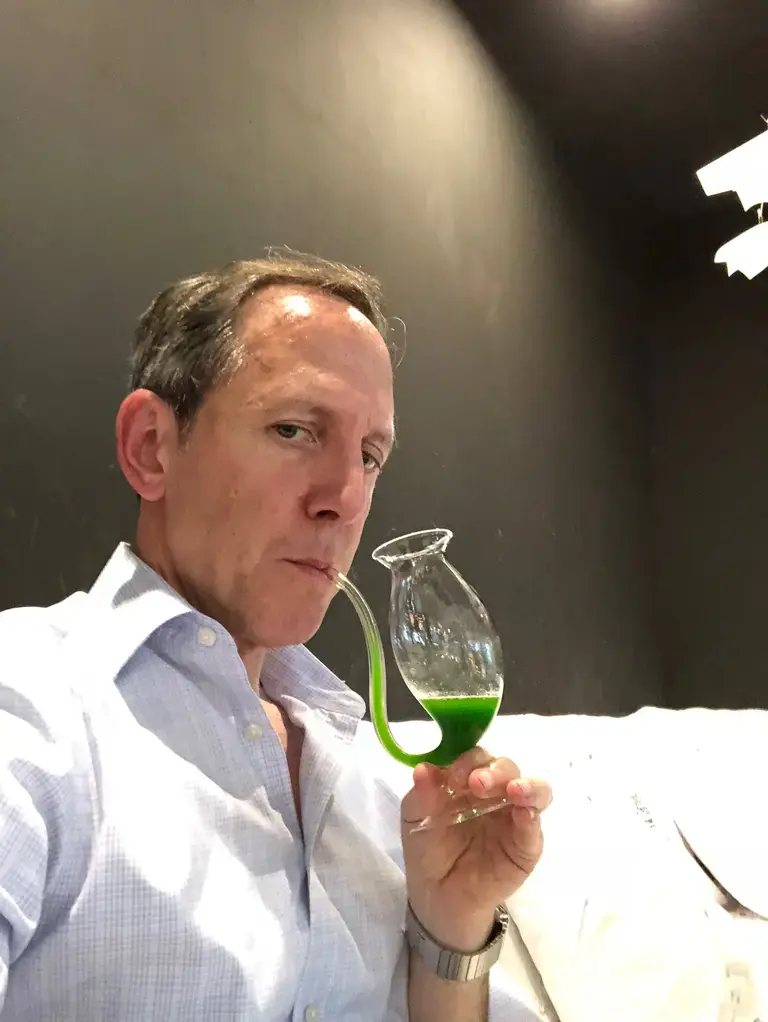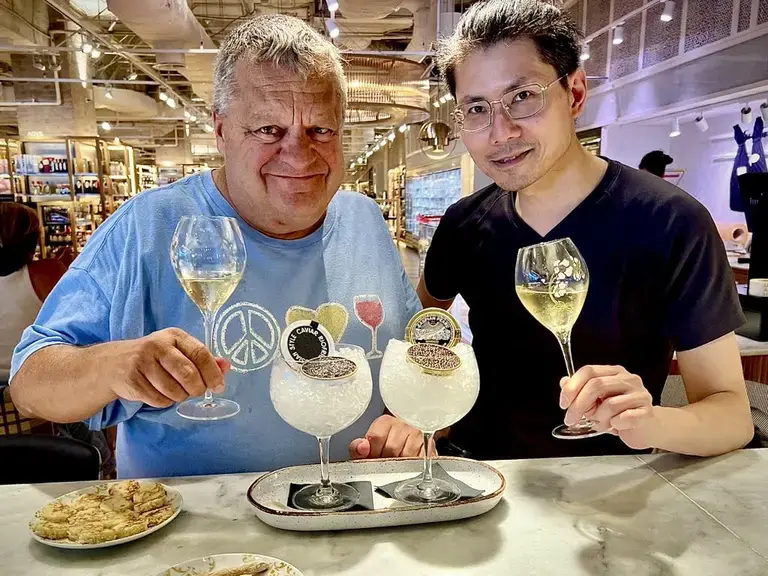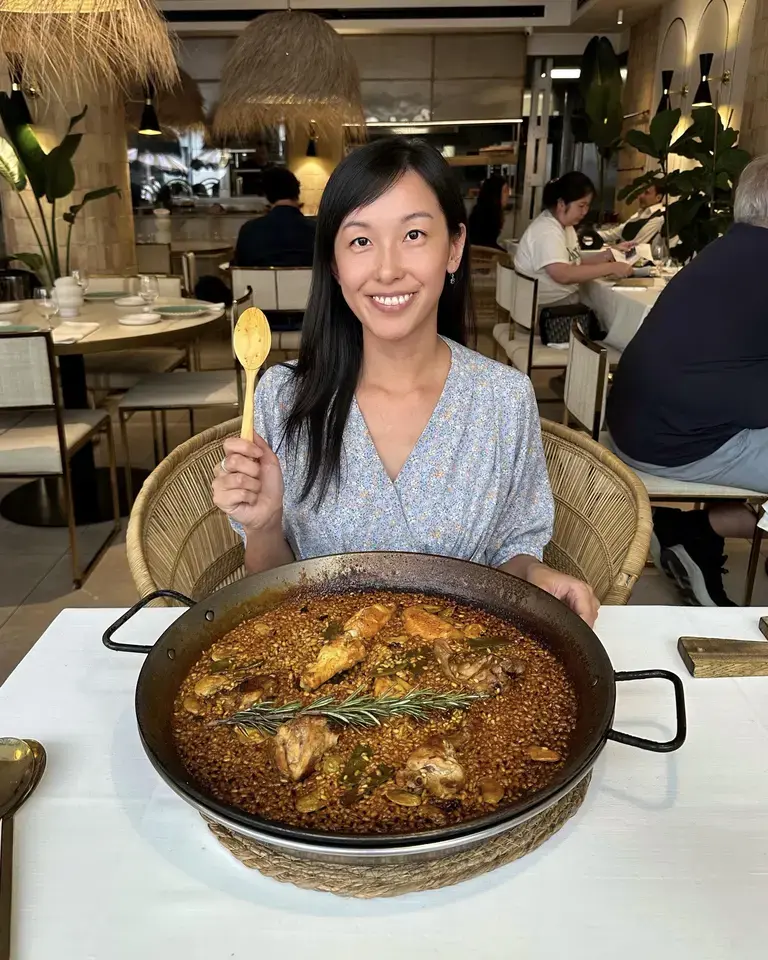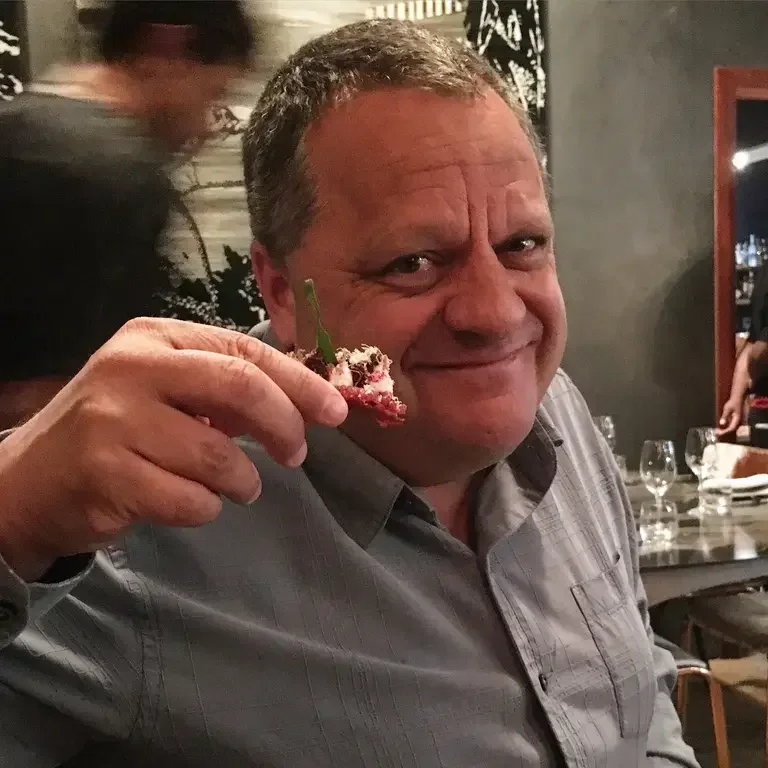
As with all superheroes, each has a different origin story.
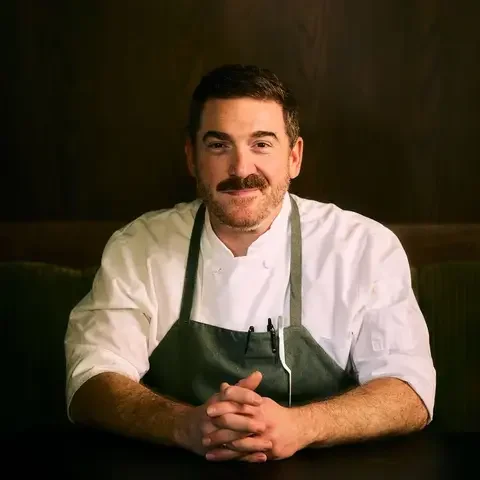
For his 21st birthday, Hong Kong native Kevin Chan’s girlfriend took him to Susur Lee’s restaurant in Toronto, where Chan was studying. He glanced at the tasting menu and couldn’t believe it. “I looked at the price and said, ‘Let’s leave. We can do Chinese barbecue pork for $10,’” Chan says.
She convinced him to stay. After the meal, he was even more certain that fine dining was a waste. “I hated the foie gras. It’s sweet and rich and savory. I put the black dots on my beef carpaccio onto the side and asked the waiter if he could remove them. He said, ‘You don’t eat black truffle?’” When Chan found out how much truffles cost, he piled them up and put them in his mouth. They tasted worse than he assumed they would.
But in the weeks that followed, Chan kept thinking about the truffle and foie gras, wondering why he had never encountered those flavors in Chinese cooking.
Ilaria Verde’s eating disorder was so bad that for one long stretch, she wouldn’t eat anything other than yogurt and tomatoes. She had moved to London, and her new friends, unaware of her issues, invited her to Le Gavroche. “The opportunity to eat such visually stunning, delicious and refined food – with all those incredible new textures – meant that eating was suddenly worth the calories. I wanted to chase that feeling. Even my home-cooked meals had to be beautifully plated,” she says.
After growing up in an Orthodox Jewish family that kept kosher, Paul Grinberg was in Girona, Spain, in 2011 with his new girlfriend. Trying to impress her, he made a reservation at El Celler de Can Roca. “It blew us away. And as we were leaving, I saw the plaque at the entry that it was one of the world’s 50 Best Restaurants.”
Whatever their reasons for embarking on this impossible journey, each has attempted to eat at all of the World’s 50 Best Restaurants.
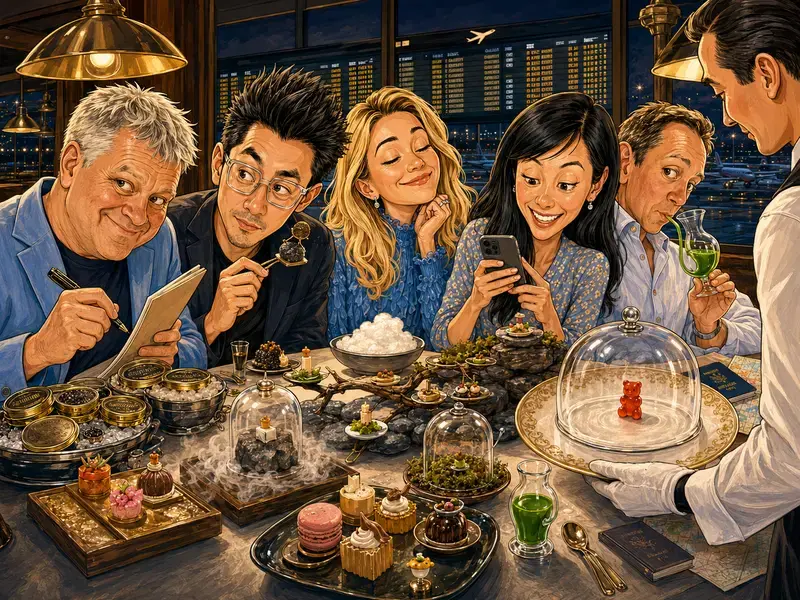
Marketing executive Jeffrey Merrihue completed the list on April 28, 2013. He claims to have beaten Chan to it by one day, though Chan disputes this. It was a global competition not unlike the 1989 Tour de France, only with even more calories. They had become friends in the process, meeting at some of the restaurants to eat together.