Restaurant menus have always shifted with the way people eat. Plant-based diets brought more vegetables to the center of the plate; the appetite for sharing turned small plates into a restaurant genre of their own; and the protein boom put grams of protein next to prices. But GLP-1 drugs, used to treat type 2 diabetes and obesity, are proving more complicated.
The restaurant industry’s most visible response has been the arrival of the “GLP-1-friendly” menu. Chipotle began flagging high-protein, high-fiber options for customers taking the drugs. Smoothie King built an entire GLP-1 Support Menu around protein-rich drinks with no added sugar, while Shake Shack began identifying items on its Good Fit Menu as “GLP-1-friendly.” Fine Dining Lovers has reported on restaurants experimenting with smaller portions and dishes designed around reduced appetites.
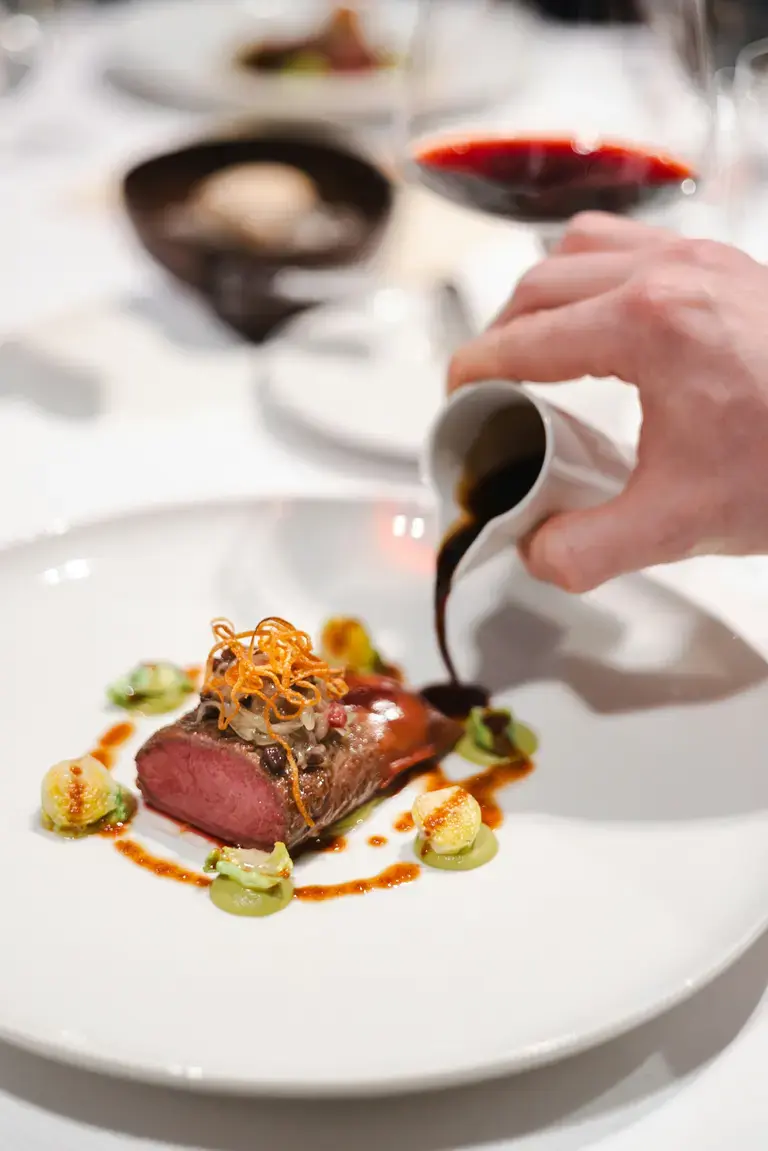
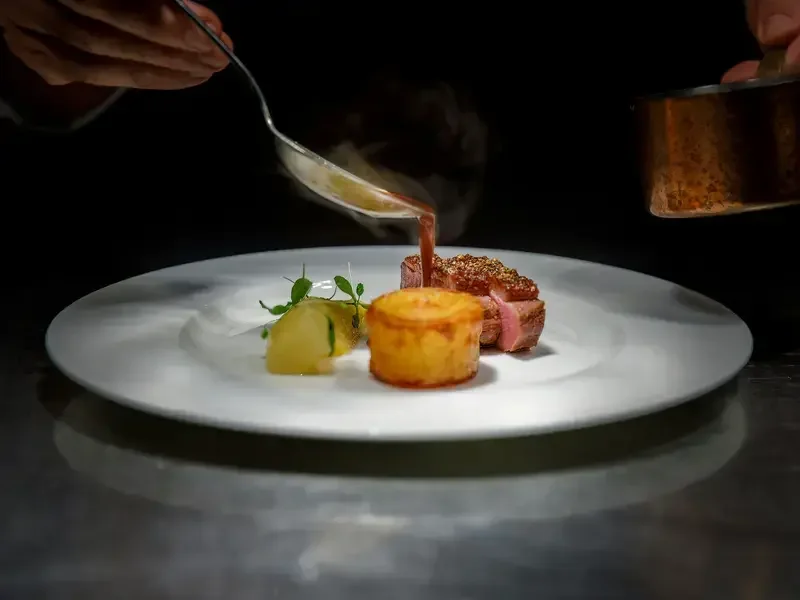
The idea has also reached fine dining. At Heston Blumenthal’s three-Michelin-starred The Fat Duck in Bray, England, the Mindful Experience offers scaled-back versions of the restaurant’s dishes, built around what Blumenthal calls “fulfilment rather than fullness.”
But as GLP-1 use continues to grow, what might have looked like another menu trend is becoming harder for restaurants to ignore. The drugs are changing how people shop for food, how much they eat, and, increasingly, how they dine out. In the U.S., roughly one in eight adults reported taking a GLP-1 medication in a March 2026 KFF poll. Restaurants are serving customers who still want to go out to eat but may arrive at the table with very different appetites.
When Appetite Changes
According to a National Restaurant Association report published in May 2026, 93% of GLP-1 users surveyed said they had changed how they order at restaurants since starting the medication. Nearly half (49%) said they were choosing smaller portions, while 43% were ordering more high-protein items and 41% more vegetables. Thirty-eight percent reported ordering fewer sugary items, and the same share reported ordering fewer indulgent dishes, including desserts. Among users 21 and older, 28% said they were ordering less alcohol.
Numbers like these put restaurants in a peculiar position. They have always adapted to changing tastes, diets, and economic pressures. But GLP-1 drugs intervene in something more fundamental: appetite itself. The scale of that change is still unclear, but there is a parallel with the sexual revolution, when the birth-control pill helped reshape our relationship with another basic human desire. Decades later, erectile-dysfunction drugs changed that relationship again. GLP-1s do something different: they can suppress the desire to eat.
That distinction matters at the restaurant table. GLP-1 drugs can reduce the motivation to seek out food, the “wanting,” without necessarily eliminating the pleasure of eating it, the “liking.” “These drugs reduce eating as an activity that people look forward to,” says Scott M. Sternson, a professor of neurosciences at the UC San Diego School of Medicine. In a mouse study published in Science, he and his colleagues found that dopamine neurons involved in eating for pleasure could counteract the appetite-suppressing effects of semaglutide, a GLP-1 drug.
Food and flavor may be at the center of the experience, Sternson says, but restaurants also offer social interaction, ritual, and novelty. “Restaurants that provide this added experience will likely be favored by people on GLP-1 drugs,” he says, adding that “there is still a desire to be entertained, so restaurants may need to adapt to this.”