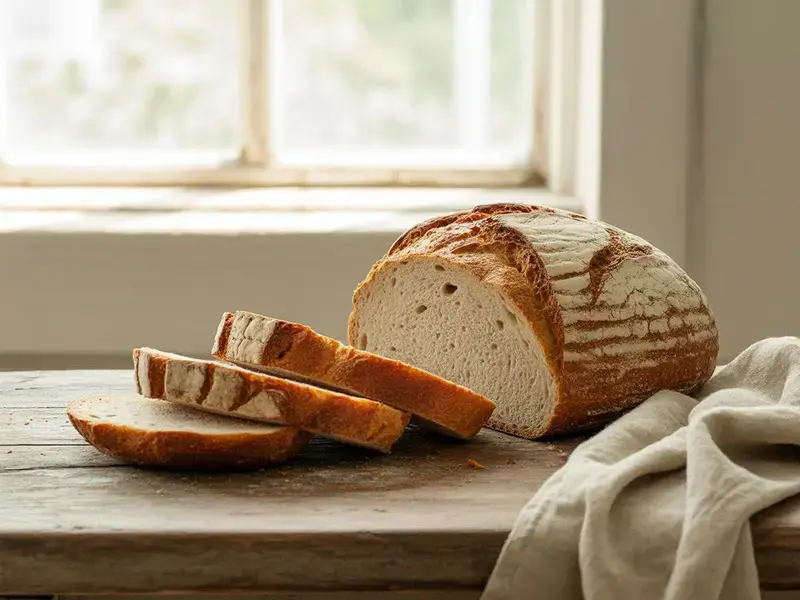
If you are wondering what to do with stale bread or what to do with stale sourdough bread in particular, the key is to think beyond soft slices for sandwiches. Slightly dried bread is actually better for many preparations, from croutons and bread crumbs to puddings, toasts, and baked dishes that soak up sauce. With a few simple techniques, you can either revive the crust for one more meal or turn the loaf into something entirely new, stretching its life and reducing waste along the way.
How to Soften or Refresh Stale Bread
When bread is just a little stale—dry on the outside, firm but not rock hard—you can often revive it enough to serve as bread again. The idea is to reintroduce moisture and heat gently so the crumb softens and the crust crisps.
- Oven refresh: lightly run the loaf (or a section of it) under running water, just enough to dampen the crust, not soak the interior. Place it directly on the oven rack in a 325°F (160°C) oven for 8–12 minutes, depending on size, until the crust is crisp and the inside feels softer. Serve soon after; it will stale again as it cools.
- Slice-and-toast: for sliced bread, toasting is the easiest fix. Toast in a skillet with a little butter or olive oil, or in the toaster, until the surface is crisp and aromatic. This works especially well for sturdier styles like sourdough or country loaves.
- Steam assist: wrap a small loaf or chunk in foil with a light spritz of water inside, then warm in a low oven until soft. Open the foil for the last few minutes if you want a crisper crust.
These methods help when the bread is simply dry, not completely stale. If the texture is very tough throughout or the loaf is several days past its peak, it is usually better to repurpose it in recipes rather than trying to restore it to fresh-baked form.
Recipes That Use Stale Bread
Once bread is too dry to really enjoy plain, it becomes ideal for recipes where it soaks up liquid, turns crisp, or adds structure. Many classic dishes around the world are built on this idea, and almost any style of bread can be used creatively, from rustic sourdough to lighter loaves and rolls.
Think of stale bread as a base ingredient for:
- Thickening soups and sauces
- Adding texture and body to salads
- Forming the backbone of baked dishes and gratins
- Turning into crumbs that can be used for coating or topping
If you explore different kinds of bread and how they are made, it becomes obvious why some styles shine in these roles: sturdy, open-crumb loaves absorb broths and custards differently from soft sandwich bread, and that difference is exactly what makes them so versatile once they have dried out a little.
Sweet Ideas: Bread Pudding, French Toast
Stale bread’s ability to absorb custard without disintegrating makes it perfect for dessert-style dishes and sweet brunch recipes.
Bread pudding
Cube stale bread and let it soak in a mixture of eggs, milk or cream, sugar, and spices (such as vanilla and cinnamon). Once the bread has soaked up the custard, bake until puffed and golden on top and just set in the center. Richer, denser breads, including stale sourdough, give bread pudding more texture and flavor than very soft, fresh slices.
French toast
Day-old bread is the classic choice for French toast because it drinks in the egg mixture without becoming mushy. Slice the bread thickly, soak in beaten eggs with milk, a little sugar, and seasoning, then cook in butter until golden on both sides. Crusty loaves and brioche both work beautifully, each giving a different character to the finished dish.
Sweet strata and baked toasts
You can also adapt stale bread into layered sweet bakes—strata-style dishes with fruit, custard, and bread—or simply toast slices and top them with ricotta, fruit, and honey for a dessert that feels both simple and composed.
Savory Ideas: Croutons, Stuffing, Soups
On the savory side, stale bread is a natural for adding crunch, soaking up juices, and giving body to soups and bakes.
Croutons from stale bread
Cut bread into cubes, toss with olive oil, salt, and any herbs or spices you like, then bake at 350°F (175°C) until crisp and golden. These croutons elevate salads, soups, and even simple vegetable dishes. Stale sourdough in particular makes croutons with a robust texture and tangy edge.
Stuffing and savory bread puddings
Cubed stale bread is the foundation of many stuffings and savory bread puddings. Toss it with sautéed onions, celery, herbs, and broth, then bake until the top is crisp and the inside soft. Variations with ham, cheese, roasted vegetables, or mushrooms turn leftover bread into complete main courses.
Soups and stews
Bread-thickened soups are a classic way to use very dry slices: pieces of bread are simmered with vegetables and stock, then partially or fully blended to create a creamy texture without cream. Even without blending, you can float toasted slices or croutons in brothy soups so they soak up flavor as you eat.
Salads and panzanella-style dishes
Toss chunks of stale bread with tomatoes, cucumbers, onions, and a punchy vinaigrette, and you have an Italian Panzanella, where the bread becomes as important as the vegetables. This approach works with many combinations: roasted peppers and olives, grilled vegetables, or leafy greens dressed generously so the bread softens just at the edges.
Storage Tips and When to Discard
Good storage helps you control how bread stales and ensures that what you save is still safe and pleasant to cook with.
Short-term storage for stale bread
- Keep slightly stale bread at room temperature in a paper or cloth bag if you plan to use it within a day or two.
- For longer storage, slice or cube stale bread and freeze it in airtight bags; you can go straight from frozen to oven when making croutons or toast-based dishes.
Bread crumbs
If you process very dry bread into crumbs, store them in an airtight container in the freezer to preserve flavor and prevent them from going rancid. They can be used directly from frozen for breading, toppings, or mixing into meatballs and patties.
When to discard
Not all bread is worth saving. You should discard it when:
- There is visible mold (green, white, blue, or black spots)—do not just cut around it, as mold can penetrate deeper than you see.
- It smells off, sour in an unpleasant way, or musty.
- It has picked up strong odors from being stored near very aromatic foods.
For bread that is merely dry and firm, not spoiled, thinking in terms of new roles—crisp toppings, soaked desserts, thickened soups, and constructed sandwiches—turns a potential waste into a new dish. Once you start viewing stale bread as an ingredient rather than a mistake, it becomes one of the most useful items in your kitchen.