
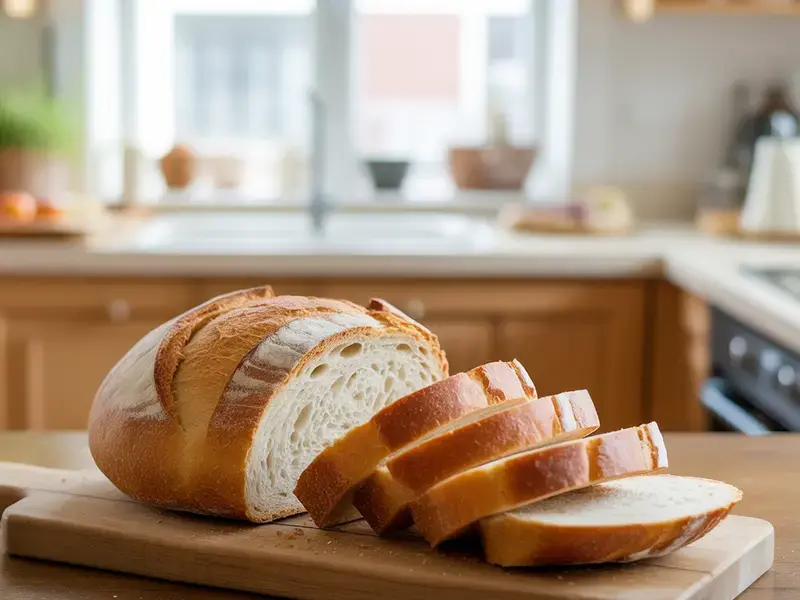
Bread is more than a vessel—it’s the foundation of balance between texture and filling. Whether you’re crafting a rustic lunch, a refined gourmet sandwich, or a minimalist snack, understanding your bread choices is essential to mastering the art of the perfect bite.
Classic Bread Types for Sandwiches
When it comes to sandwich bread, a few classics stand the test of time. Each offers distinct textures and flavors that suit different culinary styles.
- Sourdough: With its chewy crust and tangy crumb, sourdough adds a sophisticated depth of flavor. It holds up beautifully with rich fillings like roast beef, smoked salmon, or grilled vegetables with aioli.
- Baguette: The French classic delivers a crunchy crust and soft interior, ideal for rustic sandwiches such as jambon-beurre or caprese. Its shape lends itself to both casual picnics and refined bistro plates.
- Whole wheat or multigrain bread: Nutty and slightly sweet, this wholesome option pairs perfectly with lighter ingredients like turkey, avocado, or hummus, adding both flavor and fiber.
- Brioche: Soft, buttery, and lightly sweet, brioche is among the best bread for sandwiches that lean toward indulgence—think lobster rolls, chicken salad, or breakfast sandwiches with scrambled eggs and truffle butter.
- Ciabatta: Originating from Italy, ciabatta’s open crumb and chewy texture make it perfect for hearty fillings like grilled vegetables, mozzarella, or cured meats.
Crusty vs Soft: Choosing by Texture
One of the most decisive factors in selecting the right sandwich bread is texture. A crusty loaf brings contrast and structure, while a soft bread creates comfort and cohesion.
Crusty breads—such as sourdough, ciabatta, and baguette—complement moist fillings by keeping their shape and adding crunch. They’re ideal for hot sandwiches like panini, where the crust crisps further under the grill.
Soft breads, like brioche, white sandwich bread, or potato rolls, emphasize tenderness. They work best with delicate fillings—smoked salmon, egg salad, or cold cuts with creamy sandwich spreads such as mayonnaise or aioli.
The key lies in balance: a sturdy bread for saucy or layered sandwiches, and a soft one for subtle, melt-in-your-mouth combinations.
Regional Breads and Specialty Options
Beyond the familiar Western loaves, exploring different types of bread for sandwiches opens up a world of flavor and cultural inspiration.
- Focaccia (Italy): Aromatic with olive oil and herbs, it’s excellent for Mediterranean-style sandwiches featuring sun-dried tomatoes, burrata, or roasted peppers.
- Pita (Middle East): Perfect for wraps and pocket sandwiches, it holds falafel, shawarma, or grilled vegetables beautifully.
- Naan (India): Soft, slightly chewy, and fragrant, naan pairs well with spiced fillings like tandoori chicken or paneer tikka.
- Pain de mie (France): Fine-crumbed and subtly sweet, this refined loaf is used for tea sandwiches and croque-monsieur.
- Rye bread (Northern Europe): Dense and earthy, rye matches bold flavors—smoked fish, pastrami, or mustard-based spreads.
Modern bakers also experiment with artisan breads using ancient grains, seeds, or fermented starters, offering textures and aromas that enhance both casual and high-end sandwiches.
Pairing Bread with Different Fillings
Choosing the right bread for your sandwich fillings means understanding how texture, moisture, and flavor interact.
- Delicate fillings like egg, cucumber, or tuna salad benefit from soft, absorbent bread that doesn’t overpower their subtle taste.
- Bold flavors such as cured meats, cheeses, and roasted vegetables pair well with robust, chewy breads like ciabatta or rye.
- Sweet sandwiches, featuring nut butter, fruit compote, or chocolate spread, call for enriched breads like brioche or milk bread that echo dessert-like notes.
For gourmet pairings, chefs often create custom sandwich spreads—truffle mayonnaise, mustard aioli, or basil pesto—to enhance the bread’s flavor profile. The right spread can elevate a simple grilled cheese into a restaurant-worthy experience.
How Chefs Elevate Sandwich Bread Choices
In fine dining, bread is never an afterthought—it’s an ingredient as deliberate as the filling itself. Chefs often bake their own loaves, experimenting with fermentations and flours to achieve distinctive results.
Some craft charcoal baguettes for dramatic color and smoky undertones, while others use whole-grain sourdough for depth and aroma. Toasting, brushing with olive oil, or lightly buttering the crust are all techniques to heighten flavor and texture.
Even the way bread is sliced matters: thin slices create elegant tea sandwiches, while thick-cut pieces highlight rustic or comfort-food styles.
Chefs also blend culinary traditions—pairing Asian fillings with European breads, or adding a drizzle of honey miso to brioche buns for a sweet-savory twist. These details turn ordinary sandwich bread into a key element of gastronomic creativity.
From minimalist sourdough toasties to decadent brioche creations, the world of sandwich bread is as diverse as the cuisines it connects. Understanding how each loaf contributes to texture, flavor, and structure is the first step toward mastering the art of the perfect sandwich—one slice at a time.