Rutabaga is one of those vegetables you see in the produce aisle without quite knowing what to do with it; once you understand what a rutabaga is, how to peel and cut it, and which cooking methods flatter its dense, slightly sweet flesh, it becomes as approachable as potatoes or carrots. Whether you are looking for simple weeknight sides or more refined rutabaga recipes, a few core techniques will show you how to cook a rutabaga vegetable in ways that feel both comforting and modern.
What Is Rutabaga?
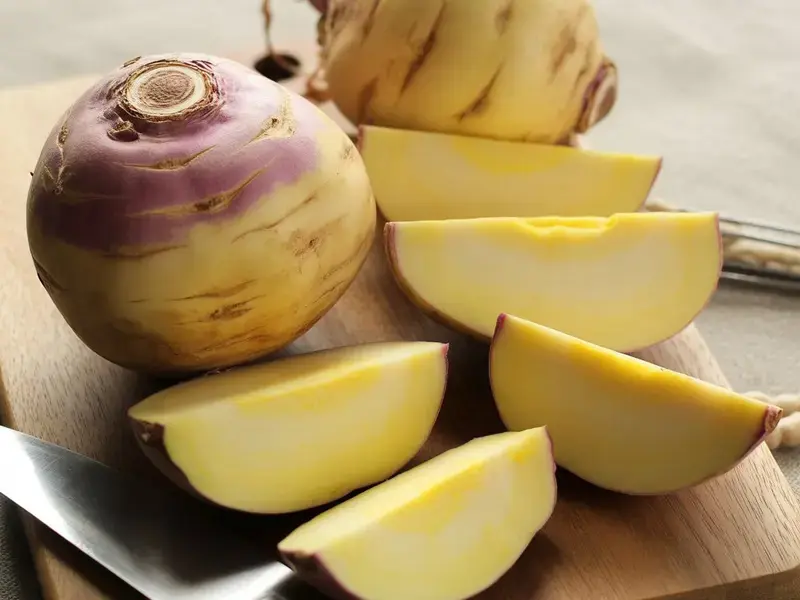
Rutabaga is a hearty root vegetable, usually round with a purple-tinged top and yellowish flesh. It is a natural cross between cabbage and turnip, which explains its slightly earthy, brassica-like aroma and its firm texture.
In flavor, rutabaga is milder and sweeter than a turnip, with a gentle nuttiness that deepens when roasted or browned. It holds its shape better than potatoes when simmered, which makes it ideal for stews, gratins, and slow-cooked dishes.
If you enjoy cooking with roots, rutabaga, like parsnips, celeriac, and beets, can add substance and character to winter cooking.
How to Prep Rutabaga for Cooking
Because rutabaga is dense and often sold with a waxed outer layer, good prep is essential. Understanding how to prepare a rutabaga for cooking makes the rest of the process straightforward.
- Trim the ends
Place the rutabaga on a sturdy cutting board. Slice off the top and bottom to create flat surfaces so it stands securely. - Peel thoroughly
Use a sharp chef’s knife or a heavy-duty vegetable peeler to remove the thick skin and any wax coating. Peel deep enough to get past the tough outer layer until you reach the uniform yellow flesh. - Cut into manageable pieces
Halve the rutabaga, then cut each half into wedges. From there, you can dice, slice, or cut into batons depending on the recipe. Aim for even pieces so they cook at the same rate. - Rinse and dry
Give the pieces a quick rinse to remove any remaining wax or peel, then pat dry if you plan to roast or sauté; excess moisture can prevent browning.
Once prepped, rutabaga can be treated much like potatoes or other roots: boiled, roasted, mashed, or added to soups and stews.
Cooking Methods: Roasting, Boiling, Mashing
If you are just learning how to cook rutabaga, start with three core methods that show off different sides of its flavor and texture.
Roasting rutabaga
Roasting concentrates rutabaga’s natural sweetness and gives you caramelized edges.
- Toss cubes or wedges with olive oil, salt, and pepper.
- Spread in a single layer on a baking sheet.
- Roast at 400–425°F (200–220°C) until tender and browned at the edges, usually 30–40 minutes, turning once.
You can finish with herbs, a drizzle of honey, or a splash of vinegar to sharpen the flavor.
Boiling rutabaga
Boiling is useful when you plan to mash rutabaga or fold it into other dishes.
- Add evenly cut pieces to a pot of cold, salted water.
- Bring to a boil, then simmer gently.
- Cook until fork-tender, about 20–30 minutes depending on size.
Drain well; rutabaga holds water, so give it time to steam off excess moisture before mashing or puréeing.
Mashing rutabaga
Mashed rutabaga is a great alternative to mashed potatoes or can be used in a half-and-half mix.
- Start with boiled rutabaga pieces.
- Mash with butter, cream or milk, salt, and pepper.
- For extra smoothness, use a potato ricer or food mill.
You can also combine boiled rutabaga with potatoes or carrots to soften its flavor and adjust the texture.
Flavor Pairings and Serving Suggestions
Because it has both sweetness and earthiness, rutabaga pairs well with a wide range of ingredients. Thinking about how to cook rutabaga becomes easier when you see it as a flexible base for bigger flavor combinations.
Good partners include:
- Fats: butter, olive oil, cream, duck fat, and bacon fat
- Herbs: thyme, rosemary, sage, parsley, chives
- Aromatics: garlic, onions, leeks, shallots
- Spices: nutmeg, cumin, coriander, smoked paprika
- Acid and brightness: lemon juice, apple cider vinegar, grainy mustard
Serve roasted rutabaga alongside roasted meats, grilled sausages, or braised dishes where you might usually reach for potatoes. Mashed rutabaga can sit under slices of chicken, pork, or beef, catching juices and sauce. In soups and stews, it adds body and sweetness without becoming mushy.
Easy Recipes with Rutabaga
Once you understand the basics, it is simple to build rutabaga recipes that fit into your existing cooking routine.
Roasted rutabaga with herbs
Roast rutabaga cubes with olive oil, salt, and pepper until caramelized, then toss with chopped rosemary and a squeeze of lemon. Serve as a side for roasted chicken, pork chops, or grilled fish.
Mashed rutabaga and potato
Boil equal parts rutabaga and potato until tender, then mash together with butter, cream, and a pinch of nutmeg. This half-and-half mash has more character than pure potato while staying familiar and crowd-friendly.
Rutabaga and root vegetable tray bake
Combine rutabaga with carrots, parsnips, and onions on a sheet pan. Roast with olive oil, garlic, and thyme until everything is browned and tender. This is an easy way to showcase several roots at once.
Rutabaga soup
Sauté onions and garlic in butter, add cubed rutabaga and a supporting root like potato or carrot, cover with stock, and simmer until soft. Purée until smooth, then finish with cream or olive oil and fresh herbs.
These ideas all lean on the same core techniques for how to cook a rutabaga vegetable; once you are comfortable with them, you can adjust seasonings and pairings to match the rest of your menu.
Tips for Storage and Reuse
Rutabaga stores well, both before and after cooking, which makes it a practical ingredient to keep on hand.
- Whole rutabaga: store in a cool, dark place or the crisper drawer of your refrigerator. It can keep for several weeks if the skin is intact and dry.
- Cut, raw rutabaga: store peeled and cut pieces in an airtight container in the fridge, ideally submerged in water to prevent drying and discoloration. Use within a few days.
- Cooked rutabaga: roasted or boiled rutabaga will keep in the refrigerator for 3–4 days in a sealed container. Reheat gently in the oven, on the stovetop, or in the microwave.
For reuse, leftover roasted rutabaga can be added to hashes, grain bowls, or frittatas. Leftover mash can be shaped into small patties and pan-fried in a little oil or butter until crisp on the outside and soft inside.
Once you know how to prep, cook, and store rutabaga confidently, it stops being a mysterious root and becomes another reliable building block in your kitchen – one that brings depth, sweetness, and substance to a wide range of everyday dishes.