
For the best Boston brown bread recipe results, don’t overmix the batter. It only needs to be mixed until the ingredients have just combined. Overmixing the dough will make the steamed bread undesirably dense and tough, losing its signature chewy texture that Boston brown bread is known for.
The classic flavor of Boston brown bread comes from the inclusion of molasses. You can use dark molasses, for the strongest flavor, or a mixture of molasses and brown sugar for milder sweetness.
It’s important to let the bread rest before slicing, to prevent it from crumbling. When it’s had ample time to cool in the can and on the wire rack, as suggested in this recipe, it’ll slice more easily.
Once you’ve perfected this steamed bread recipe, try your hand at making one of the 15 types of main breads or explore cuisine from around the world with iconic breads from a variety of countries, including a French baguette or Mexican tortilla.
Why Boston Brown Bread is Steamed, Not Baked
Steaming Boston brown bread in a can is traditional for several reasons. In colonial New England, many homes cooked over fireplaces or simple stoves which made it easy to steam bread, instead of baking. Practically, the ingredients respond best to moist heat, where steaming helps to hydrate the grains of the flour and stops the bread from drying out.
Boston brown bread is also known for its cylindrical shape. Now an iconic part of the recipe, the can helps the heat to surround the batter evenly and releases the bread easily once steamed.
How to Serve Boston Brown Bread
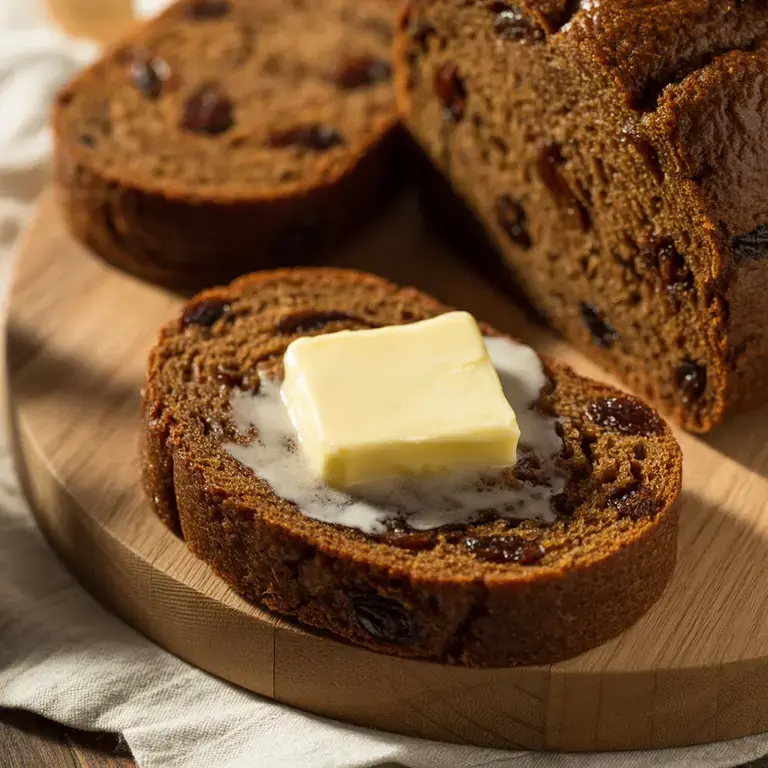
Boston brown bread can be served steamed or toasted, with a generous helping of butter or cream cheese on the side. Typically, it’s also served with baked beans, for a hearty weekend meal.
Any leftover Boston brown bread should be wrapped tightly to lock in the moisture. If you do find the bread has turned stale, there are plenty of ways to still make the most of this ingredient, whether using it for croutons or breadcrumbs to use in other recipes.