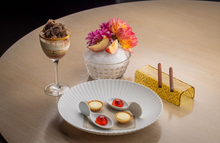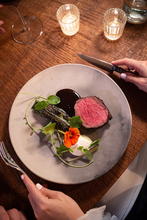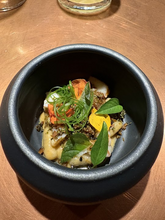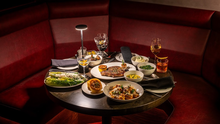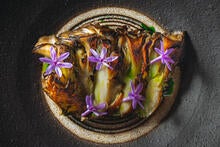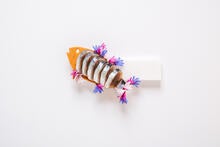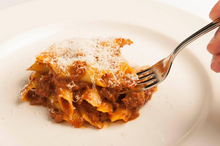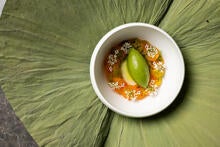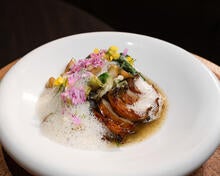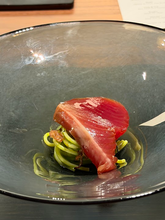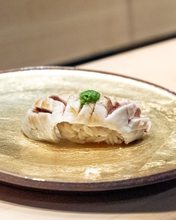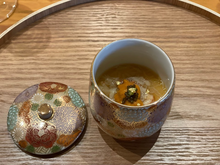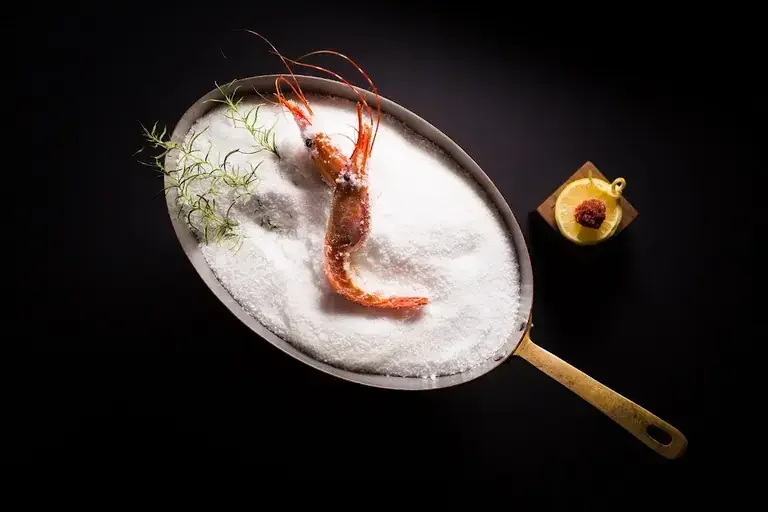
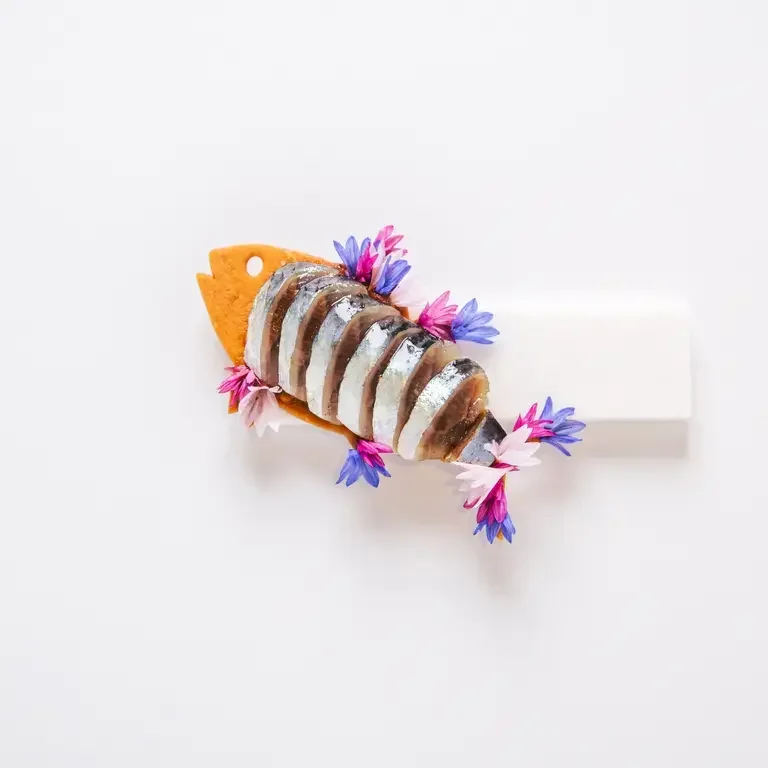
Food at Somni. Credit: Jill Paider
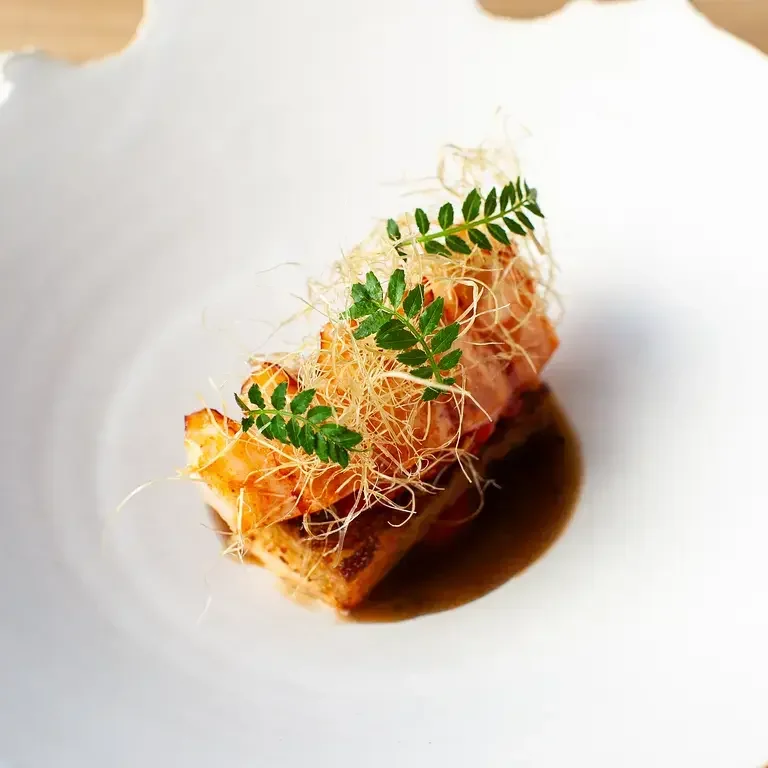
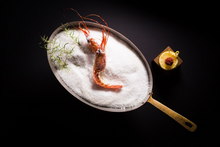
Grilled Lobster. Credit: Colleen O'Brien
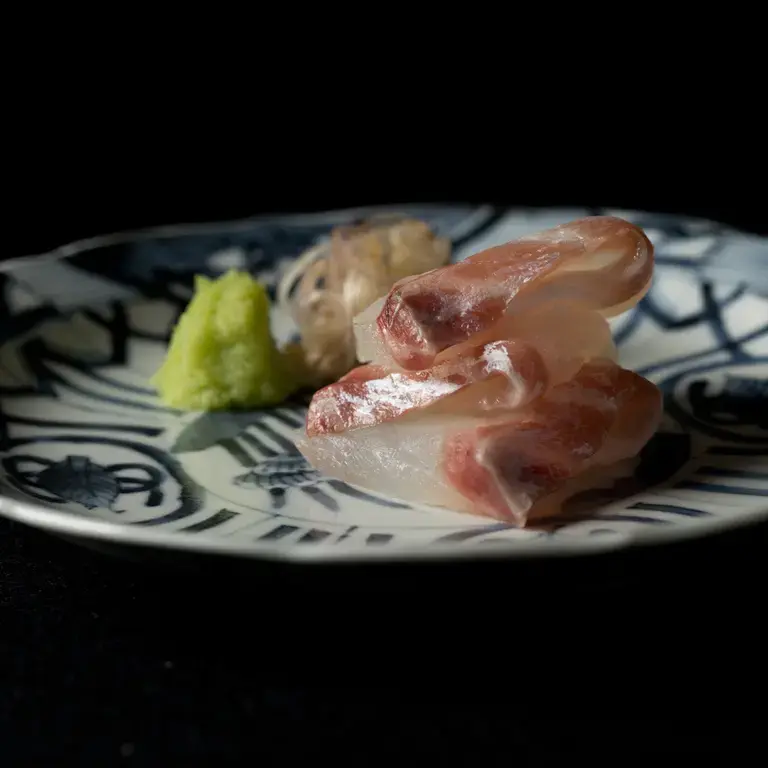
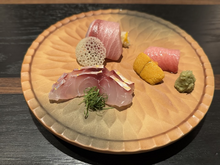
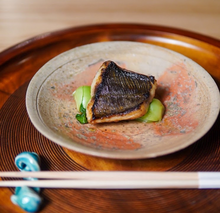
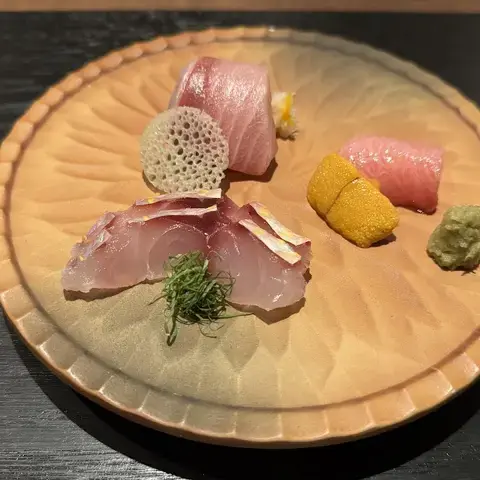
Tai Sashimi
26 places
Los Angeles's Michelin-Starred Restaurants, Updated for 2026
Providence
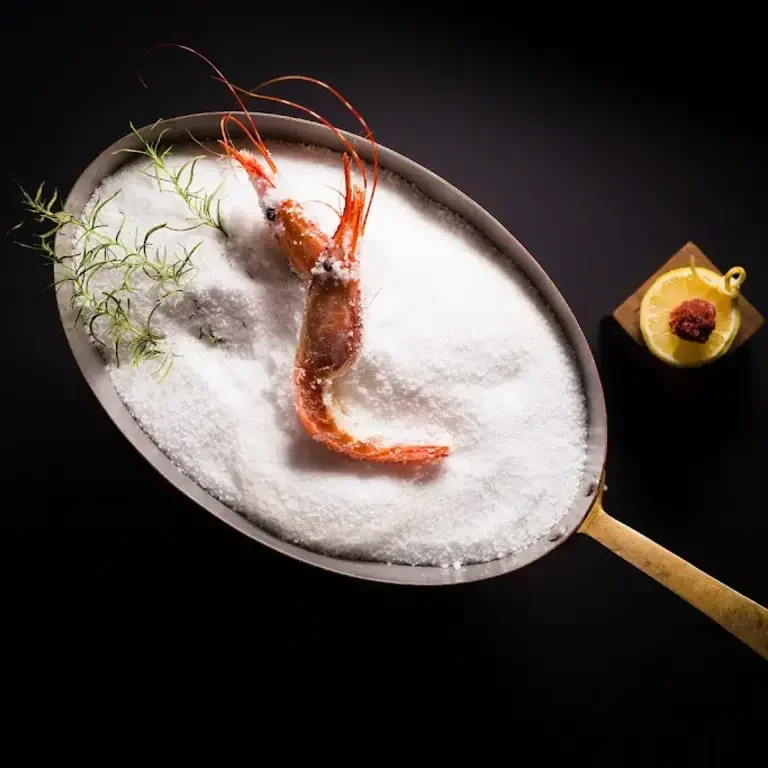
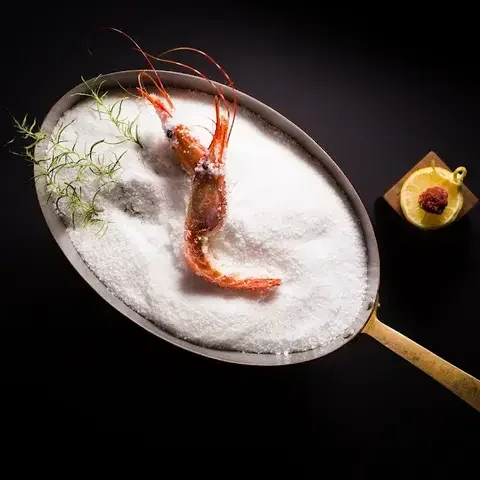
Since opening in 2005, chef Michael Cimarusti’s Providence has built its tasting menus around sustainably sourced seafood. Diners can choose between the $375 classic tasting menu and the $495 chef’s tasting menu, both of which change with the seasons. Current dishes include sashimi with hibiscus and crème fraîche, abalone with corn and black truffle, and tortelli with crab, sea urchin, and summer squash.
Somni
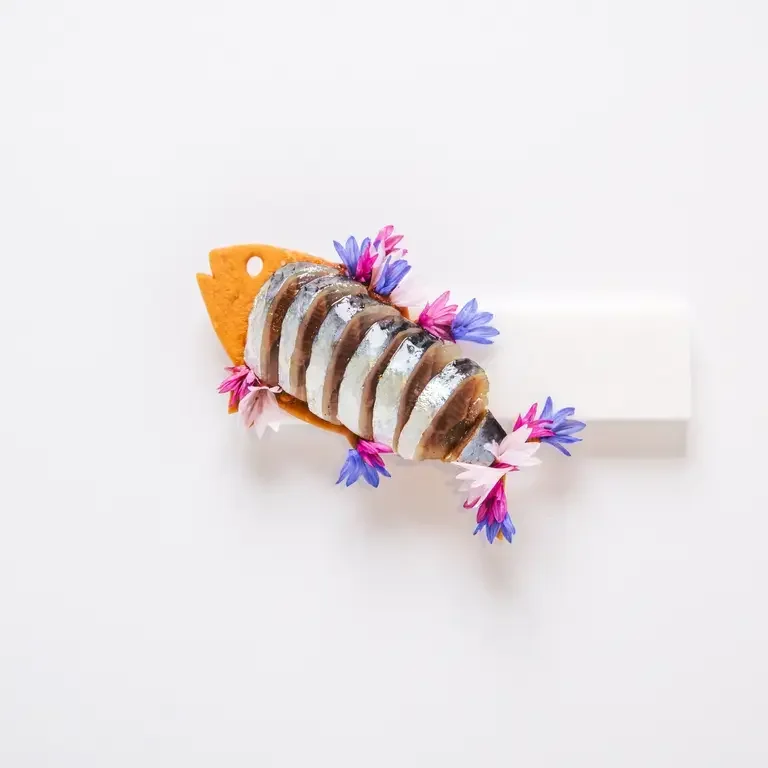
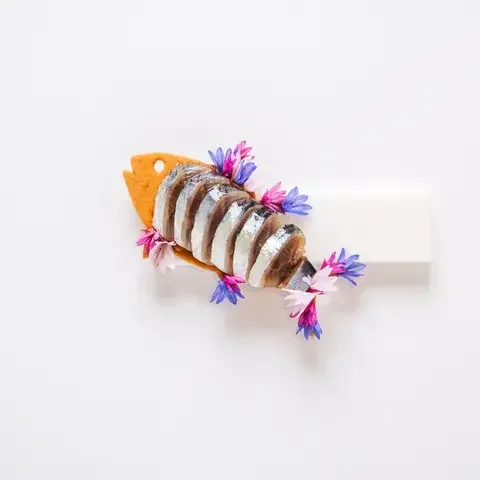
Less than seven months after reopening Somni in West Hollywood in November 2024, chef Aitor Zabala earned three Michelin stars, making Somni and Providence the first Los Angeles restaurants to receive the distinction. At the 14-seat chef’s counter, Zabala serves more than 20 courses inspired by his Catalan and Basque roots and Southern California. Dishes have included mussel escabeche, gazpacho blanco, and the signature shiso puff with beef tartare.
Kato
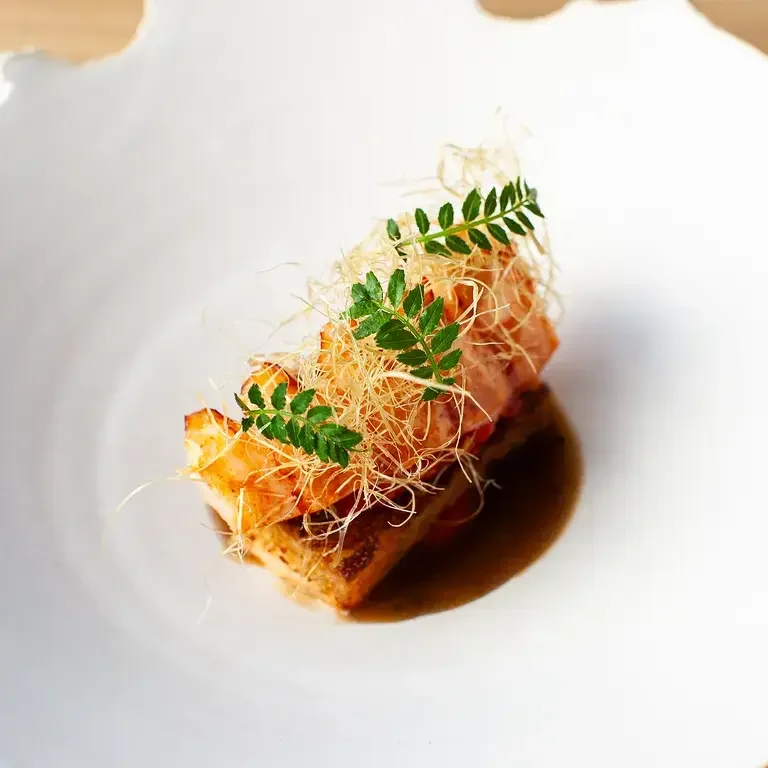
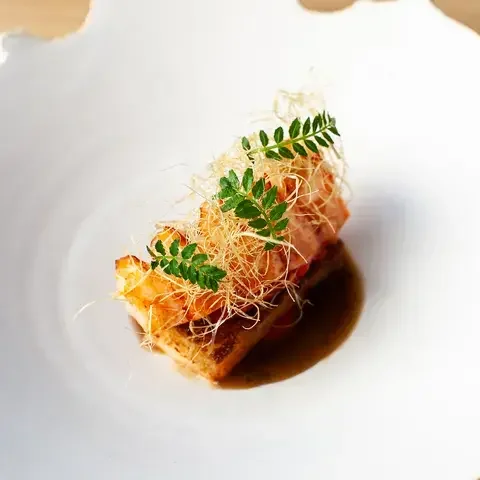
Promoted to two Michelin stars in 2026, chef Jon Yao’s Kato serves a $325 seasonal tasting menu at ROW DTLA. Yao draws on his family’s roots in Taiwan and his upbringing in the San Gabriel Valley, combining Taiwanese flavors with Southern California ingredients. Recent dishes include gently cooked trout with fermented Napa cabbage and Peking-style duck breast with a sesame ball filled with duck confit. Don’t skip the supplemental yóutiáo with sea urchin, Ibérico ham, and caviar, which might just be the best bite in Los Angeles.

Hayato
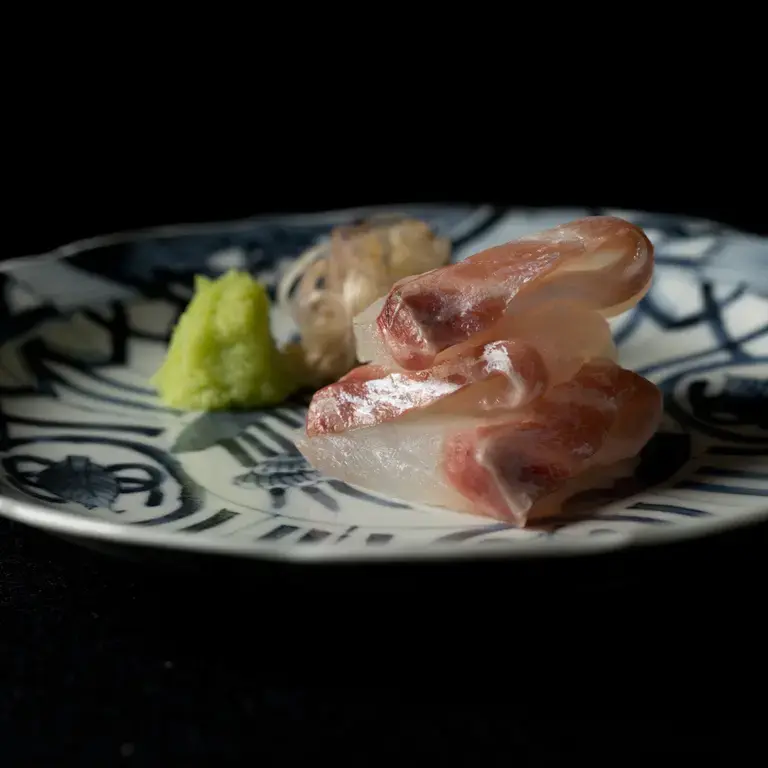
At a seven-seat counter in ROW DTLA, chef Brandon Hayato Go serves a single kaiseki dinner each night. The roughly 13-course meal can last four hours, with Go preparing the dishes in front of guests and explaining the traditions behind them. Seafood figures prominently, but the progression changes with the Japanese seasons and may move from sashimi and delicate cooked dishes to charcoal-grilled shellfish before concluding with rice.
Vespertine
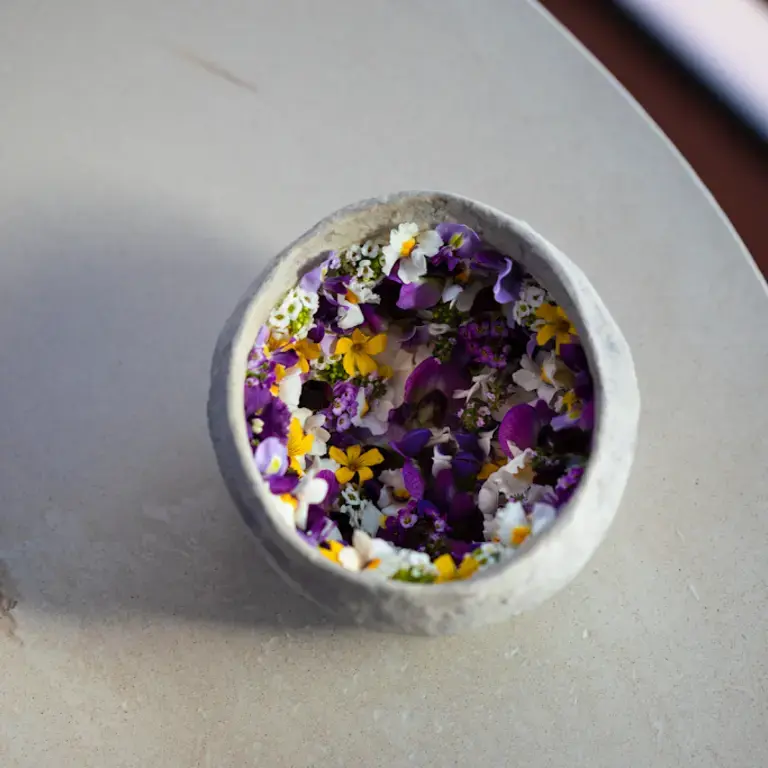
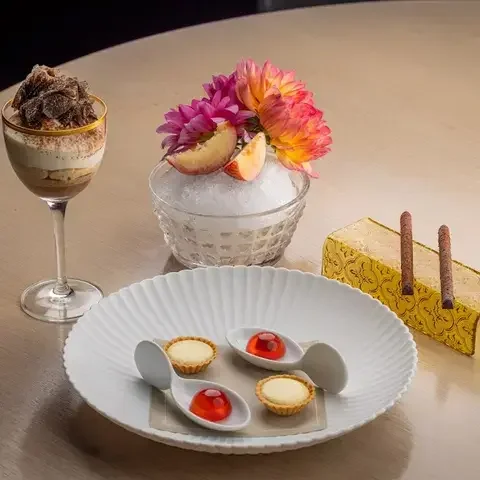
Chef Jordan Kahn’s $395 tasting menu is inseparable from its setting inside architect Eric Owen Moss’s futuristic red-steel Waffle building. Over the course of dinner, guests move through several of its indoor and outdoor spaces, encountering dishes, drinks, music, and custom serving pieces conceived as parts of a single experience. The cooking is equally unconventional, favoring sculptural presentations and combinations of flavors and textures rarely encountered elsewhere.
Mélisse
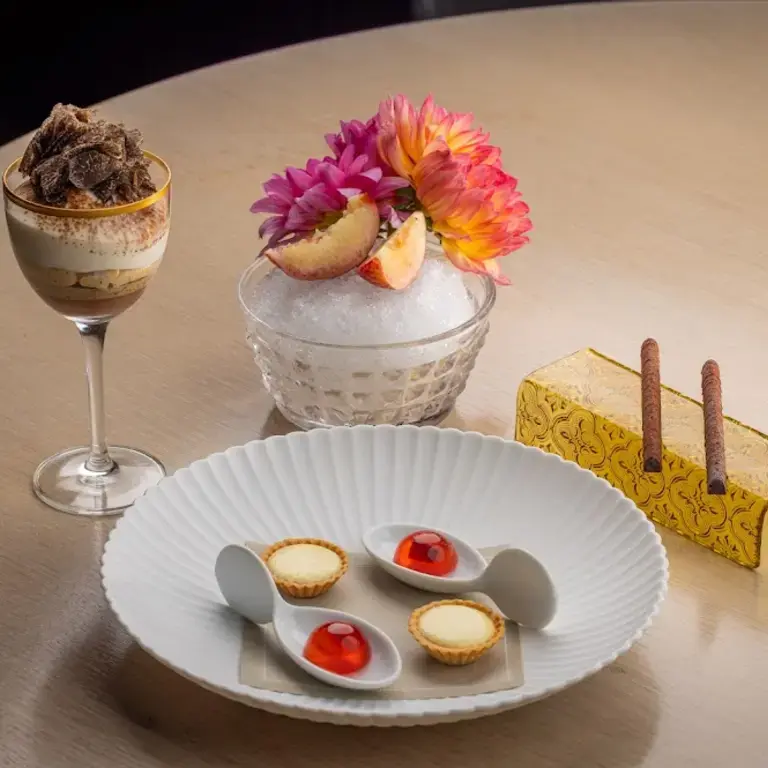
First opened in 1999, Josiah Citrin’s flagship now takes the form of an intimate, 14-seat dining room under the same roof as its sister restaurant, Citrin. Citrin and chef-partner Ken Takayama serve 18 elaborate courses for $399 per person. The current sample menu ranges from caviar and Miyazaki wagyu to vermilion rockfish, wild California king salmon, quail, and Napa Valley lamb.
Restaurant Ki
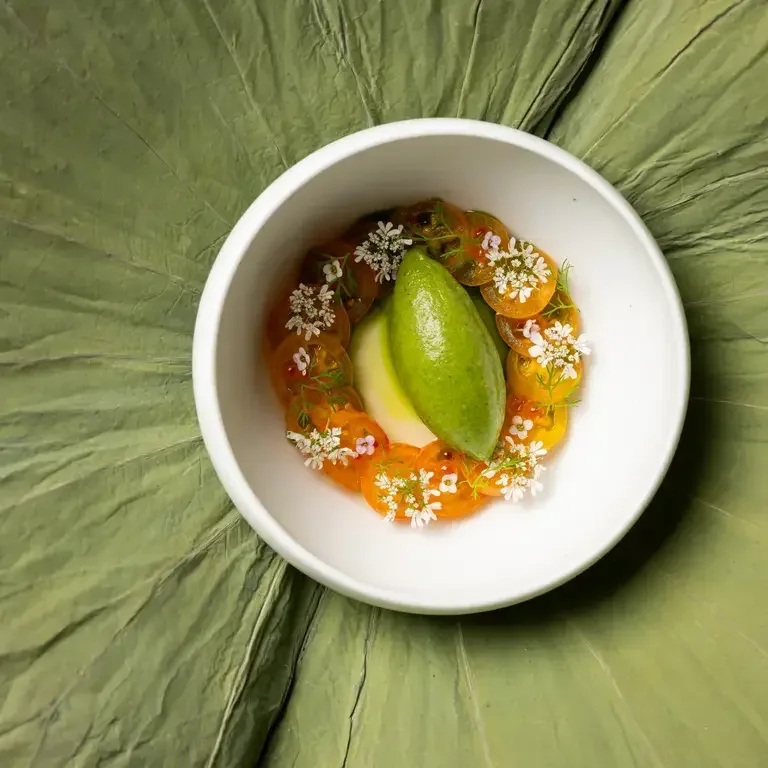
In a hidden, 10-seat basement dining room in Little Tokyo, chef Ki Kim presents a 12-course contemporary Korean tasting menu grounded in traditional ingredients and techniques while incorporating global influences. Menu staples include his crispy octopus with octopus head sauce and barbecued lobster with morel mushrooms, doenjang, and raspberry.
Pasta | Bar
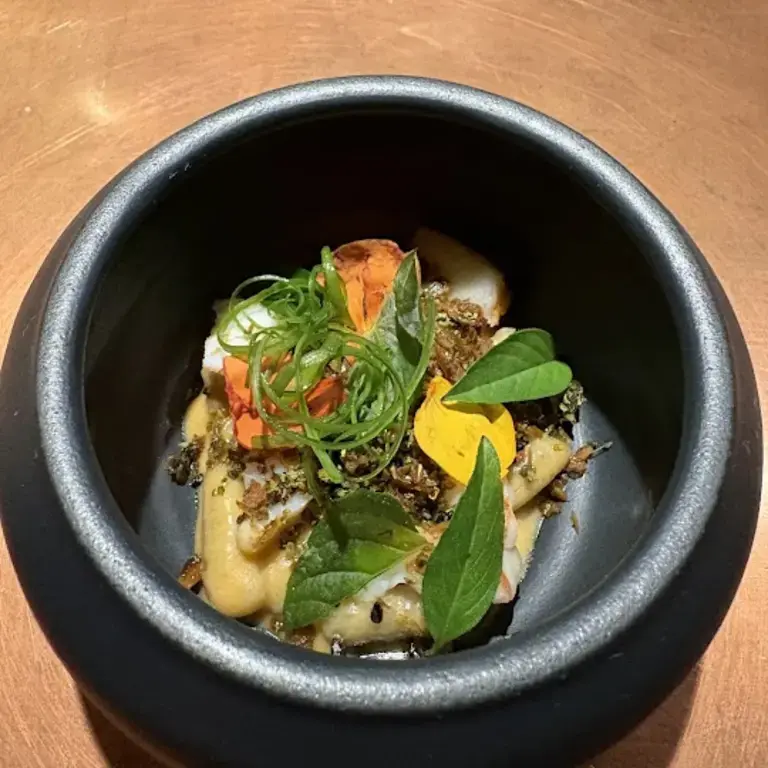
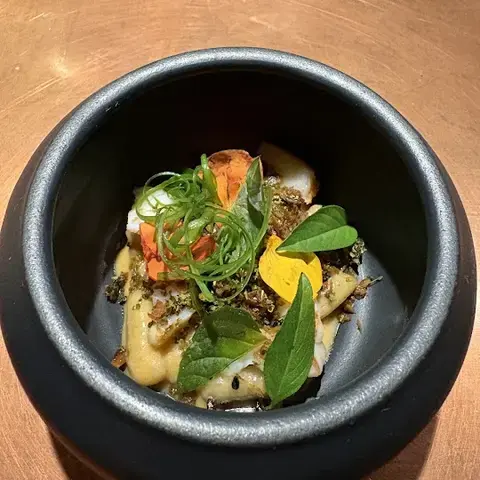
Created by chefs Phillip Frankland Lee and Margarita Kallas-Lee, Pasta|Bar is a hidden, 12-seat counter on the second floor of Encino Place. Head chef DJ Nelson leads the $245, 12-course tasting menu, which is built around handmade pasta and seasonal California ingredients. Recent courses include agnolotti filled with oxtail and Comté, sunchoke gnocchi with truffle and hazelnut, and tagliolini served in Japanese beef-bone broth with beef tongue and seaweed.
Shin Sushi
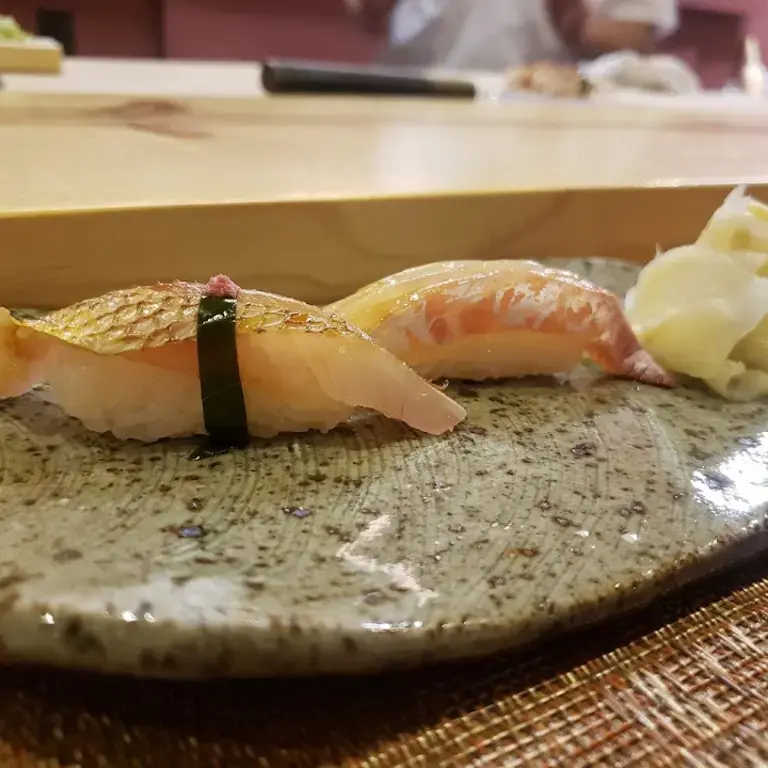
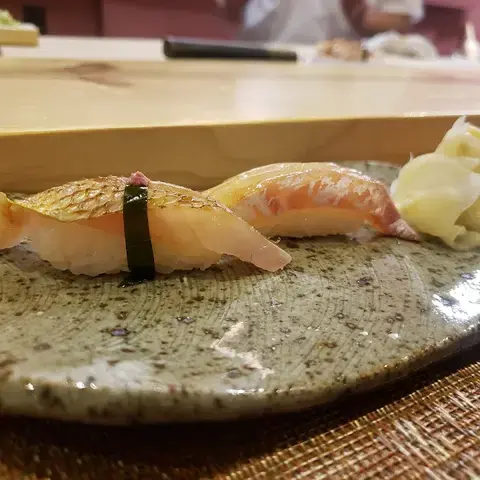
Chef-owner Taketoshi Azumi keeps the focus on Edomae-style nigiri at his reservation-only Encino restaurant, named after the sushi bar his father operated in Tokyo. The omakase includes an appetizer, miso soup, and 14 pieces of sushi, served over rice seasoned with a blend of three red vinegars.
Sushi Inaba
After relocating from Manhattan Beach, chef Yasuhiro Hirano now serves Sushi Inaba’s $280 omakase from a private counter inside sister restaurant I-naba in Torrance. Hirano works with highly seasonal seafood, using aging, curing, and precise temperature control to shape each piece. The meal extends beyond nigiri, with recent opening courses including cold soba served with two kinds of sea urchin.
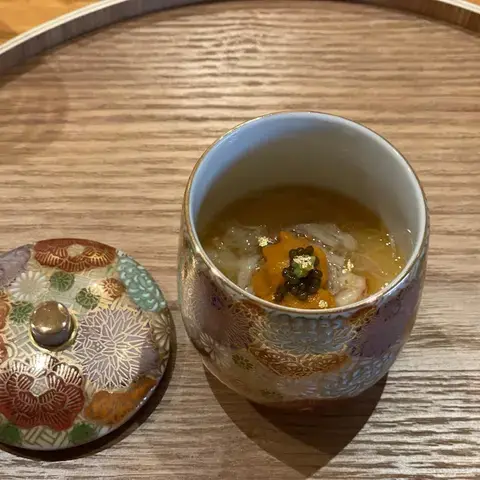
Mori Nozomi
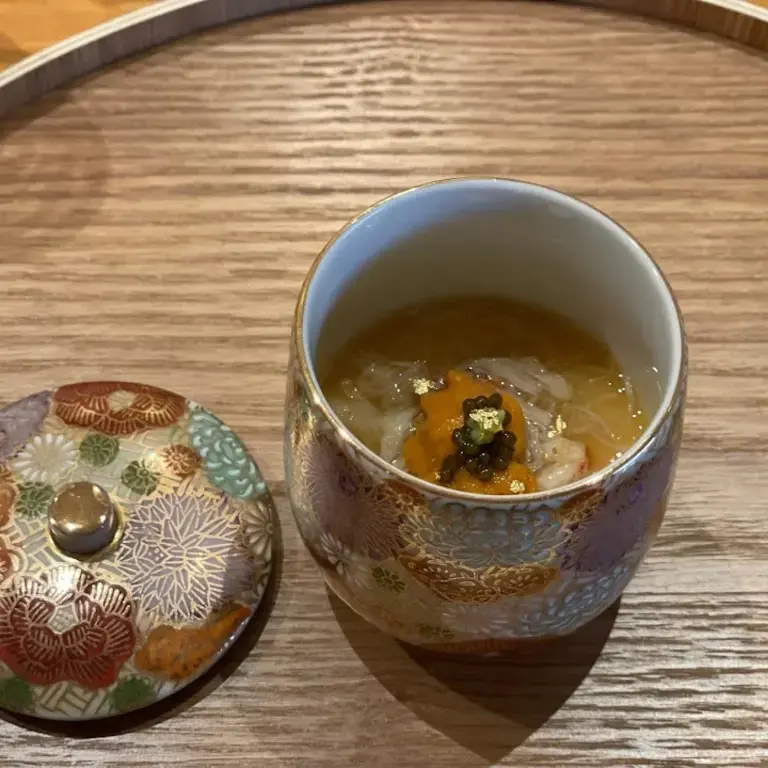
Chef Nozomi Mori presides over an eight-seat West LA counter with an all-women team, serving a $280 omakase that spans 22 to 25 courses. Her training in chadō, the Japanese tea ceremony, informs the calm, deliberate rhythm of service as much as the food. The meal concludes with ceremonial-grade matcha whisked at the counter and wagashi handmade by Mori.
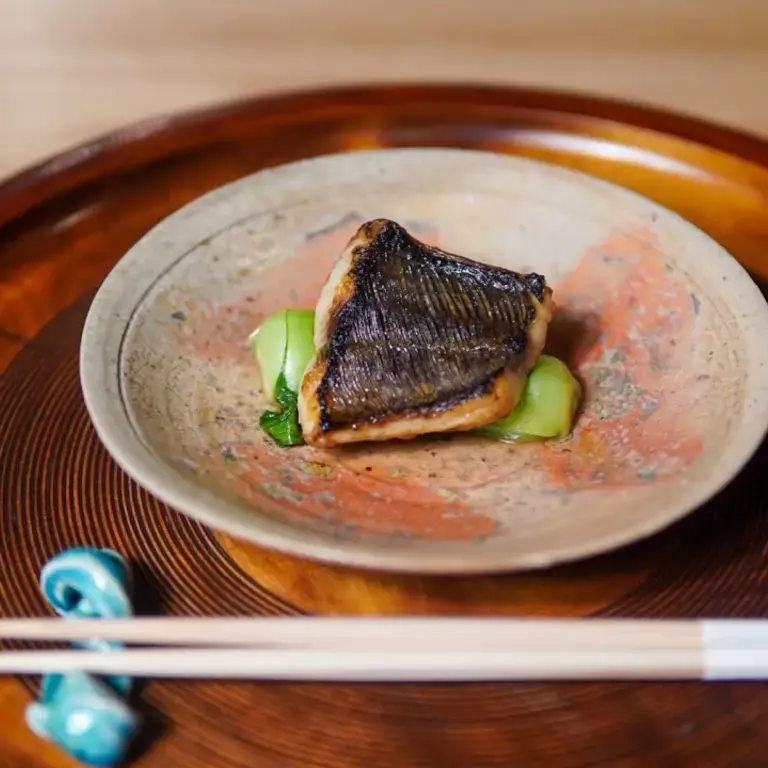
KOJIMA
Opened in August 2025 and awarded its first Michelin star the following year, KOJIMA is an eight-seat, kappo-style counter hidden above a Daiso in Sawtelle. Chef Hayato Kojima’s $200 omakase changes daily, moving through roughly 12 courses that might include sashimi and nigiri, charcoal-grilled seafood, chawanmushi, seasonal vegetables, and donabe rice.
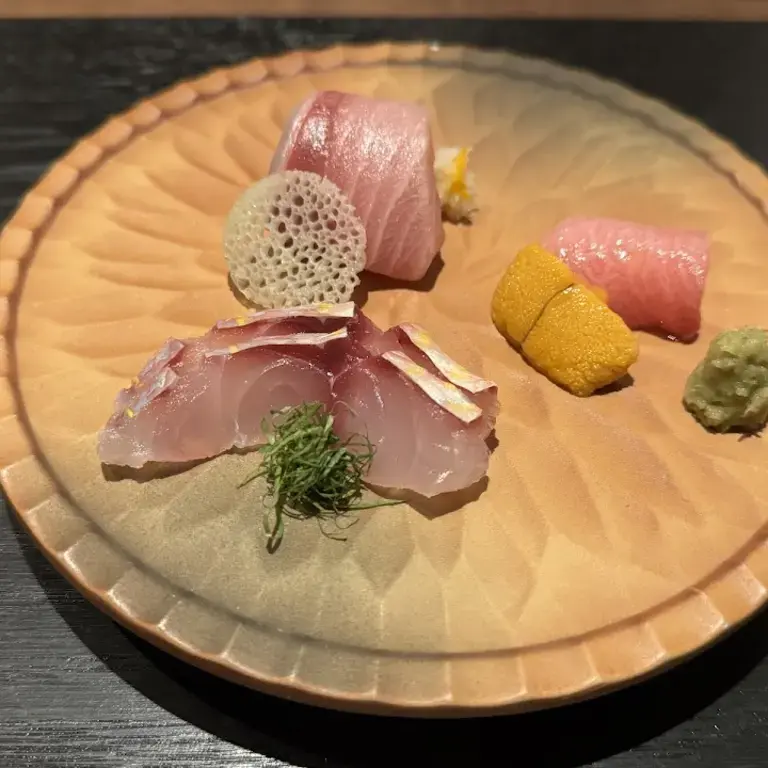
n/naka
Chefs Niki Nakayama and Carole Iida-Nakayama offer a California interpretation of kaiseki at n/naka, drawing on their Japanese heritage, Los Angeles upbringing, and the changing seasons. The $395, 13-course menu follows the traditional progression while leaving room for contemporary techniques and flavor combinations. A current steamed course pairs a kabocha dumpling with shrimp-and-sea-urchin shinjo in warm dashi with yuzu.
Citrin
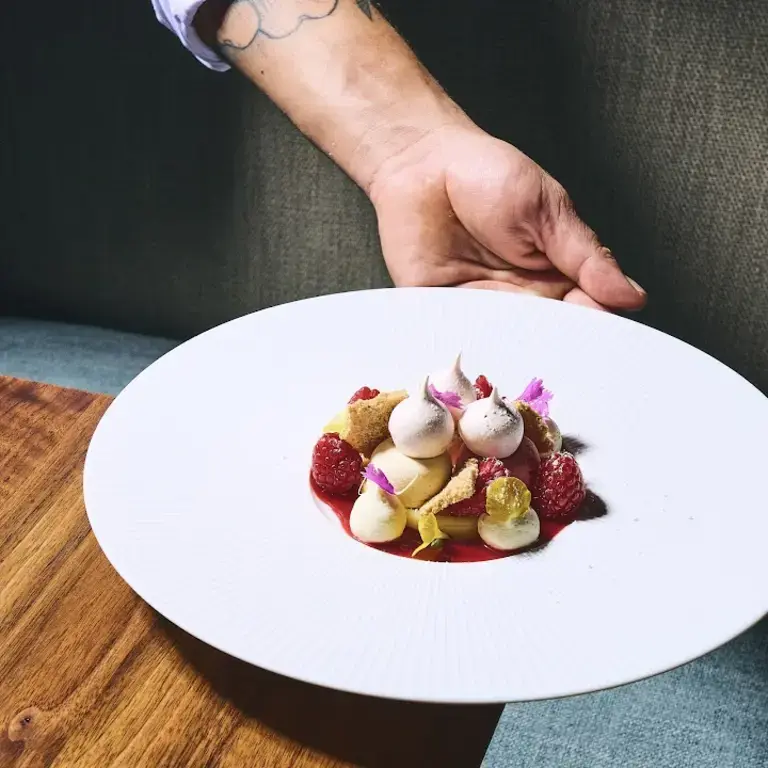
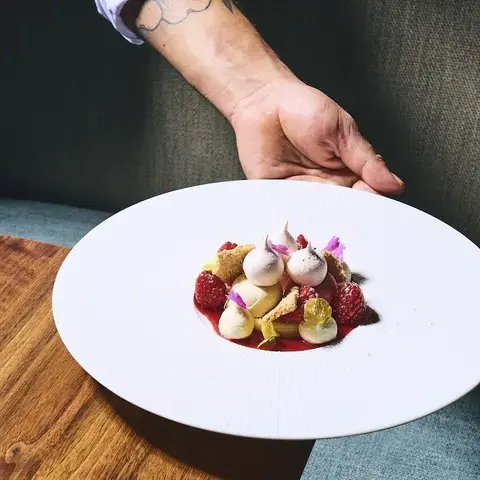
Sharing a building with Mélisse but operating as a distinct restaurant, Citrin is chef Josiah Citrin’s more flexible take on modern Californian fine dining. Guests can choose the $166 prix fixe menu or order à la carte, with the full menu also available to walk-ins at the bar. The signature Egg Caviar pairs a soft-poached egg with Kaluga caviar, cauliflower mousseline, and lemon-chive crème fraîche.
Seline
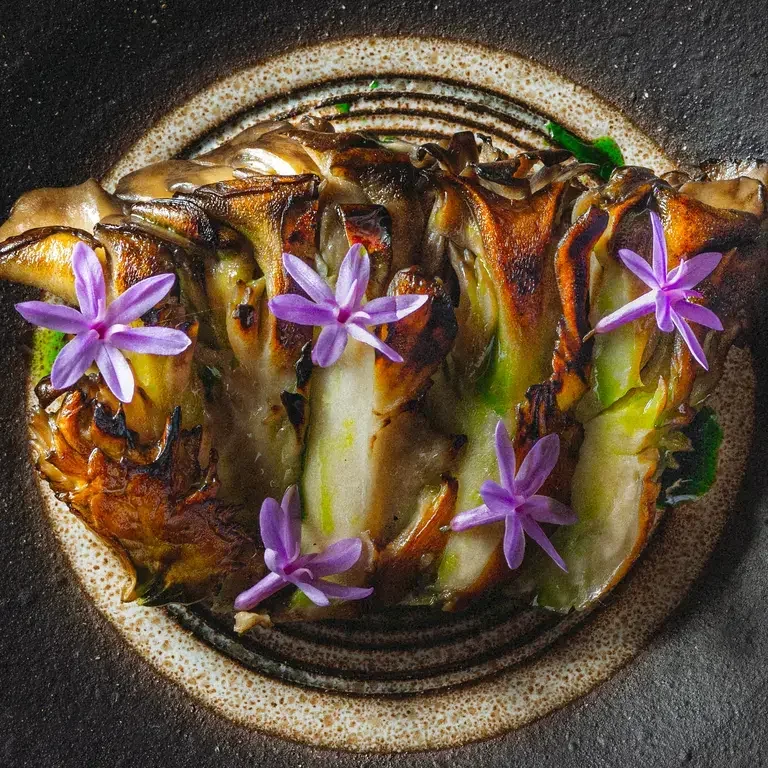
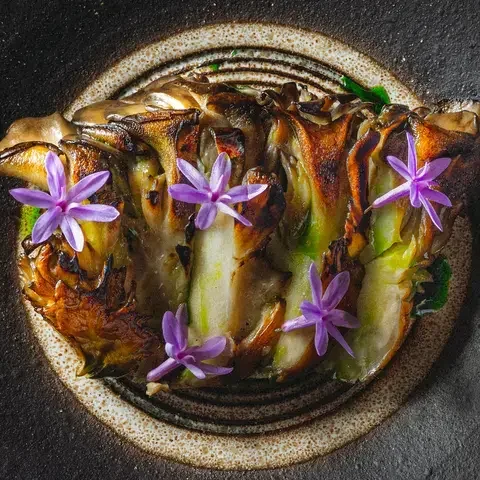
At Seline, chef Dave Beran builds each seasonal menu around a narrative inspired by Southern California and his own experiences. The $295 tasting unfolds over 14 to 17 courses, returning to certain ingredients in different forms to create connections across the meal. The open layout encourages interaction between the kitchen and the 38-seat dining room.
Lielle
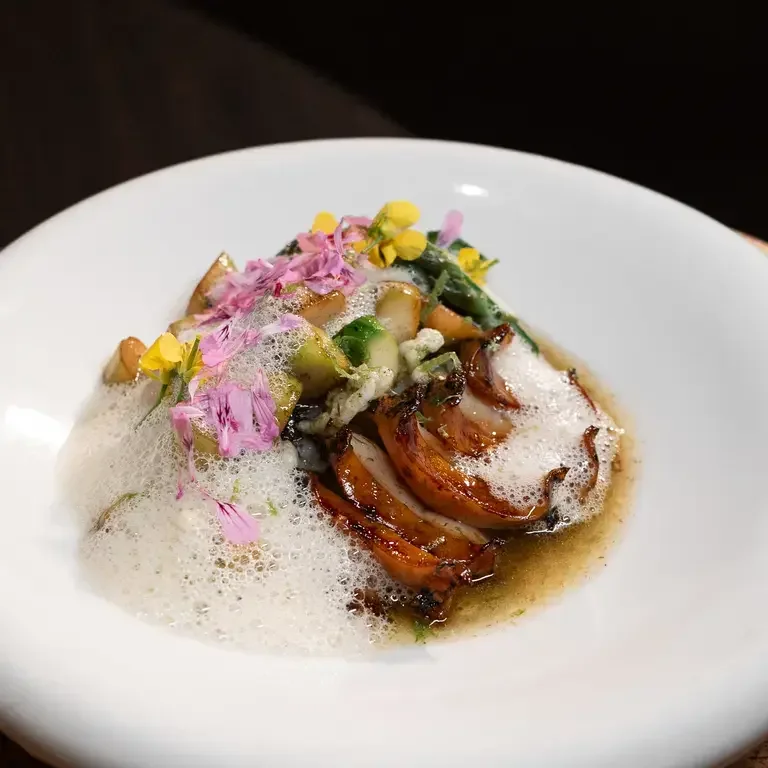
Lielle earned its first Michelin star just four months after opening in February 2026. Swedish chef Marcus Jernmark describes his style as “California bistronomy,” applying European technique to ingredients from nearby farms, ranches, and artisans. Dinner costs $150 and includes four seasonally changing courses, with optional additions for diners who want a longer meal. The serious wine program gives California producers a prominent, though not exclusive, place on the list.
Miura
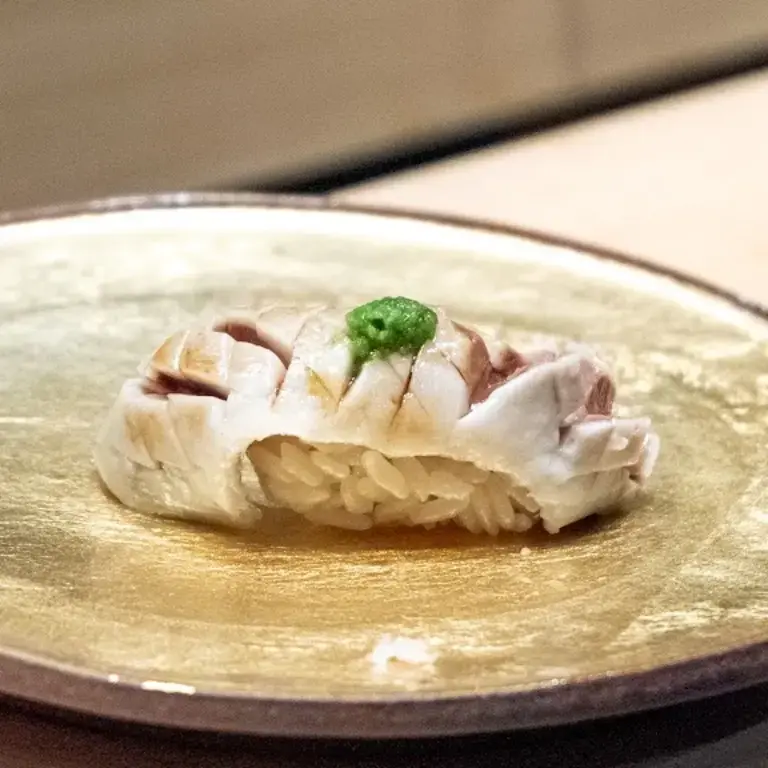
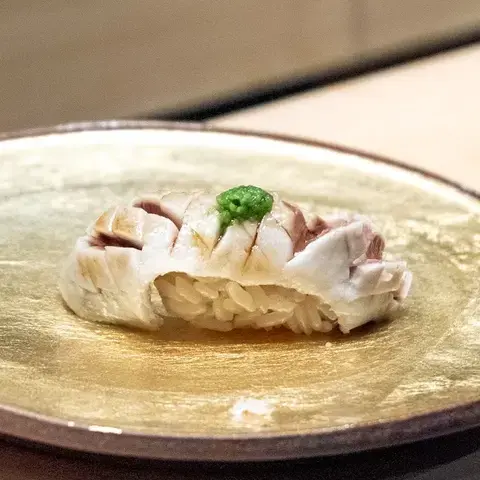
At this six-seat counter on Rodeo Drive, chef Derek Wilcox combines traditional Edomae sushi with techniques drawn from kaiseki and kappo cooking. Wilcox spent more than a decade training in Japan, including seven years at Kyoto’s Kikunoi and three years studying sushi at Ginza Sushi Aoki in Tokyo. The $320, 18-course omakase centers on wild seafood sourced and flown in from Japan, with the selection changing according to the season.
Nozawa Bar
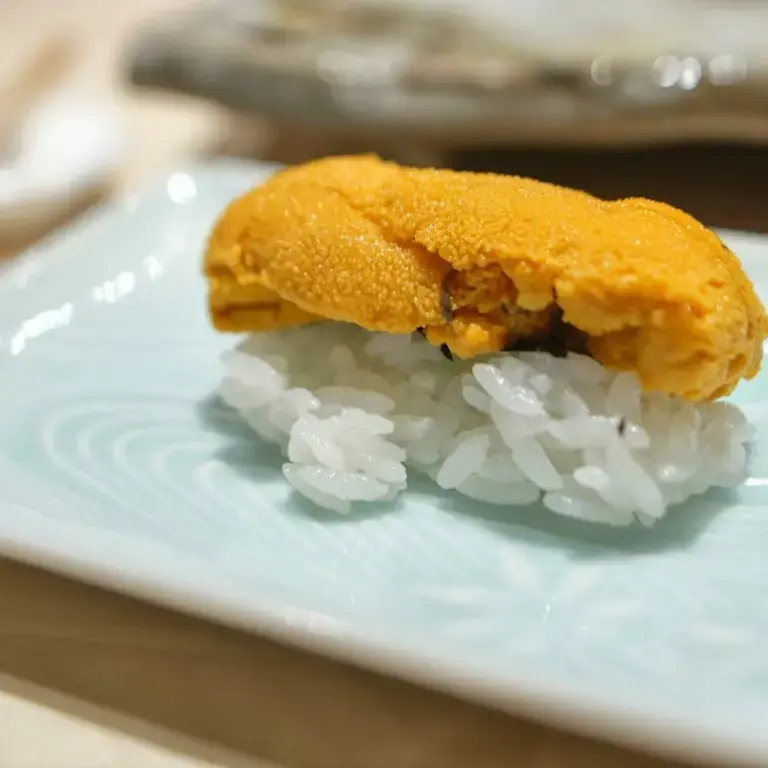
Tucked behind the Beverly Hills location of Sugarfish, Nozawa Bar serves a $225, 20-course omakase to 10 guests at each of its two nightly seatings. Executive chef Jay Sada leads a tradition-based menu composed primarily of nigiri, alongside sashimi, hand rolls, and more adventurous seafood selections. Every course is served to the entire counter simultaneously, giving the meal a deliberate rhythm.
Orsa & Winston
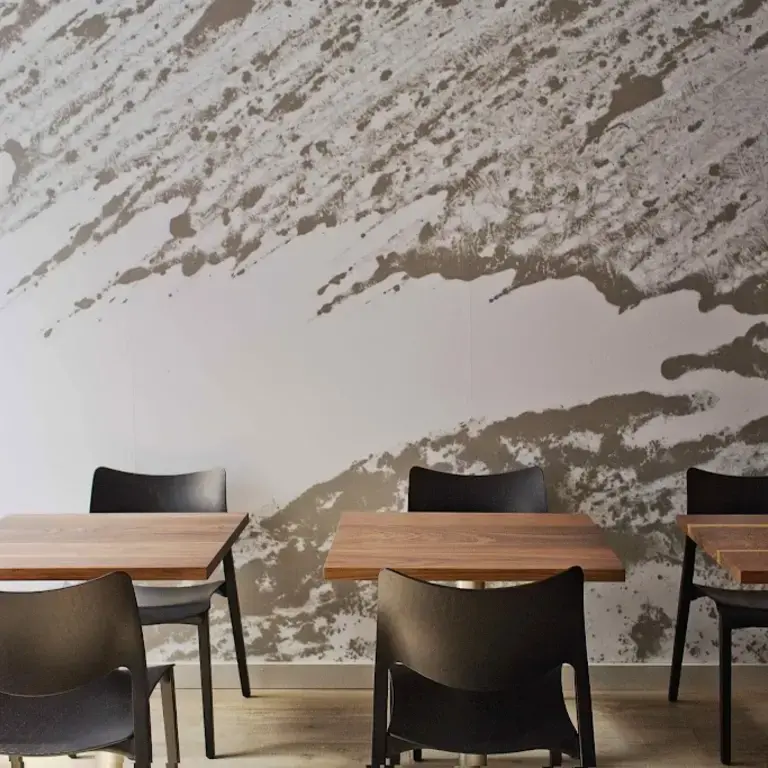
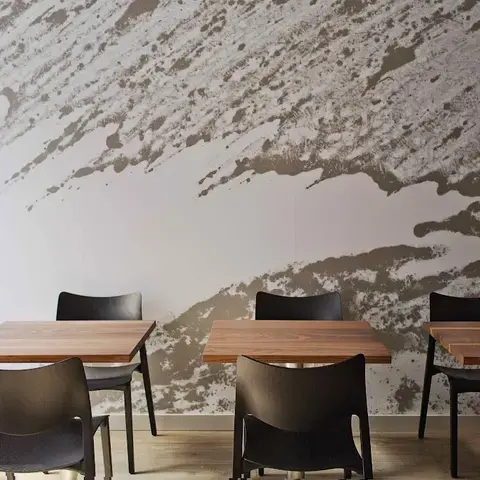
Chef Josef Centeno brings Italian and Japanese influences together at this understated Downtown restaurant. The $150, five-course omakase changes regularly, moving between seafood, vegetables, rice, and handmade pasta, with several additional bites sent out between the listed courses. Its signature satsuki rice seafood porridge, enriched with pecorino cream and often topped with uni, is offered as a supplement and is well worth adding.
Sushi Kaneyoshi
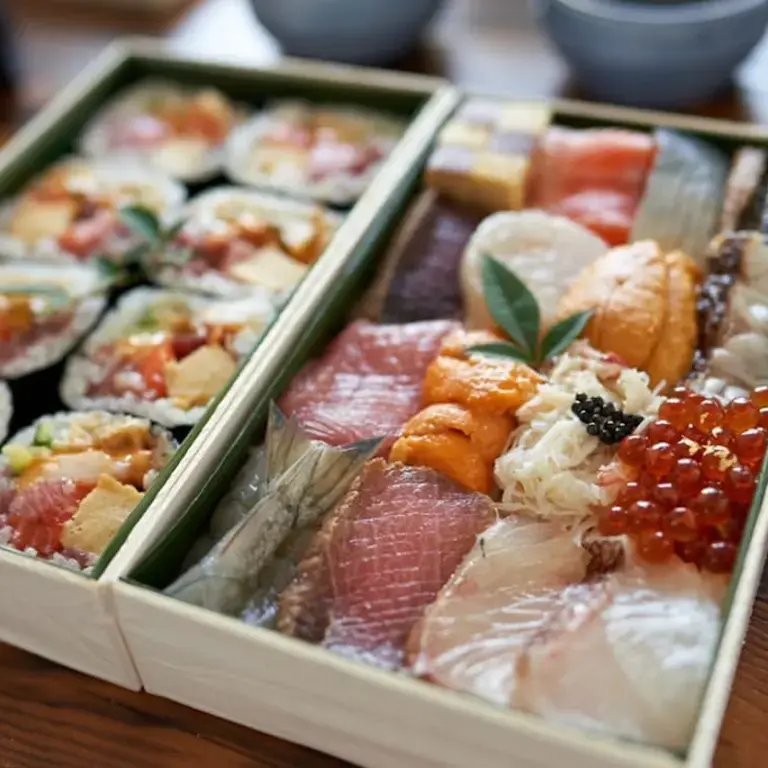
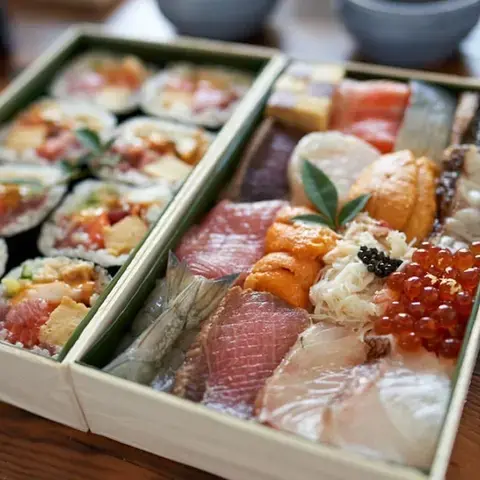
At his basement counter in Little Tokyo, itamae Yoshiyuki Inoue serves traditional Edomae sushi built around fish aged and cured in the classic Tokyo style. Kaneyoshi’s classic omakase is served in the original dining room on Wednesdays and Thursdays, while Inoue leads a more purist experience at the eight-seat Premium Room on Fridays and Saturdays. Tuesdays feature a collaborative omakase with Sushi Inaba.
Holbox
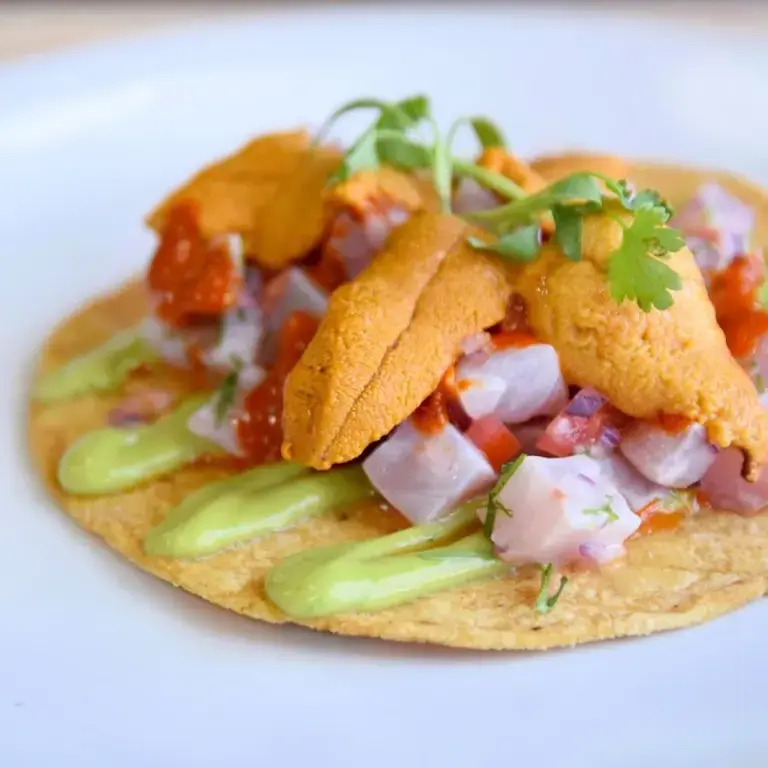
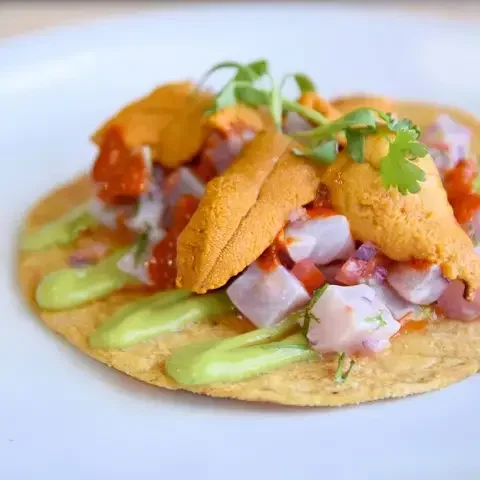
At Mercado La Paloma, chef-owner Gilberto Cetina draws on the coastal cooking of his native Yucatán for a daily-changing menu of ceviches, aguachiles, tostadas, tacos, and grilled seafood. Holbox also offers a $130, eight-course tasting menu at its counter on Wednesdays and Thursdays, with reservations released monthly through Resy and selling out almost immediately.
Corridor 109
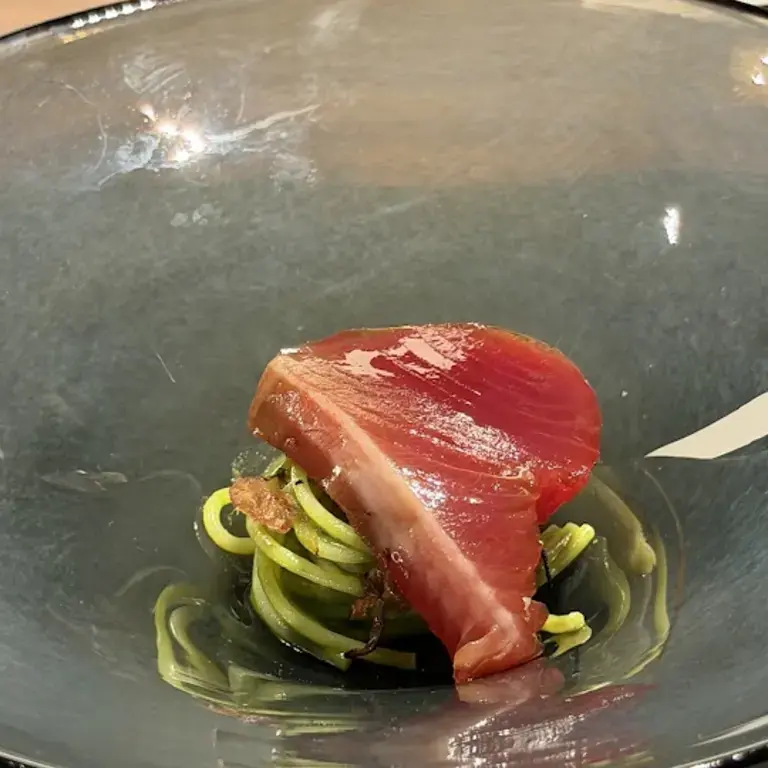
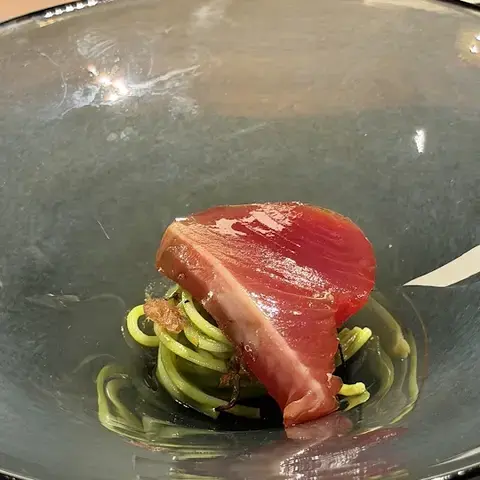
After several years as a pop-up, chef Brian Baik opened Corridor 109’s permanent 10-seat counter in Melrose Hill in October 2025. Baik shapes the $325, 10-to-11-course tasting menu around seafood sourced primarily from Japan, drawing on his experience in French and Japanese kitchens. His signature aji toast pairs horse mackerel with aioli and pickled peppers on house-made milk bread.
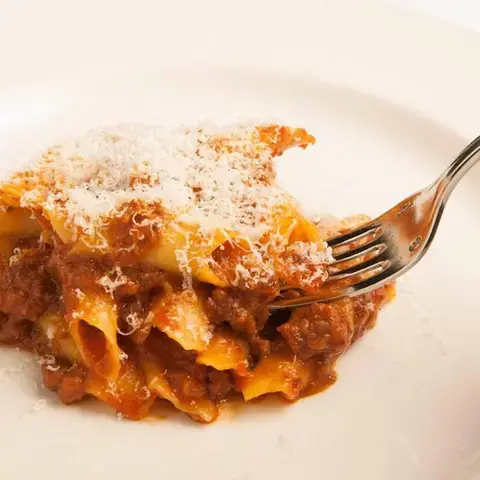
Osteria Mozza
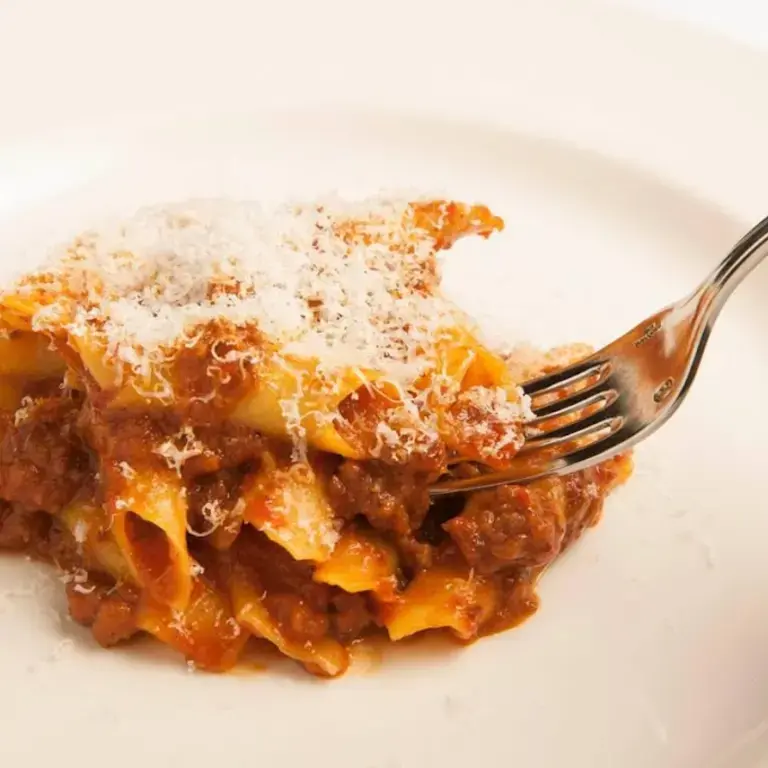
Since 2007, Nancy Silverton’s Osteria Mozza has paired traditional Italian technique with California seasonality. The mozzarella bar remains its defining feature, with selections such as burrata and braised leeks with mustard vinaigrette. Handmade pastas include the ricotta and egg raviolo with browned butter, orecchiette with fennel sausage and Swiss chard, and pappardelle with rabbit ragù.
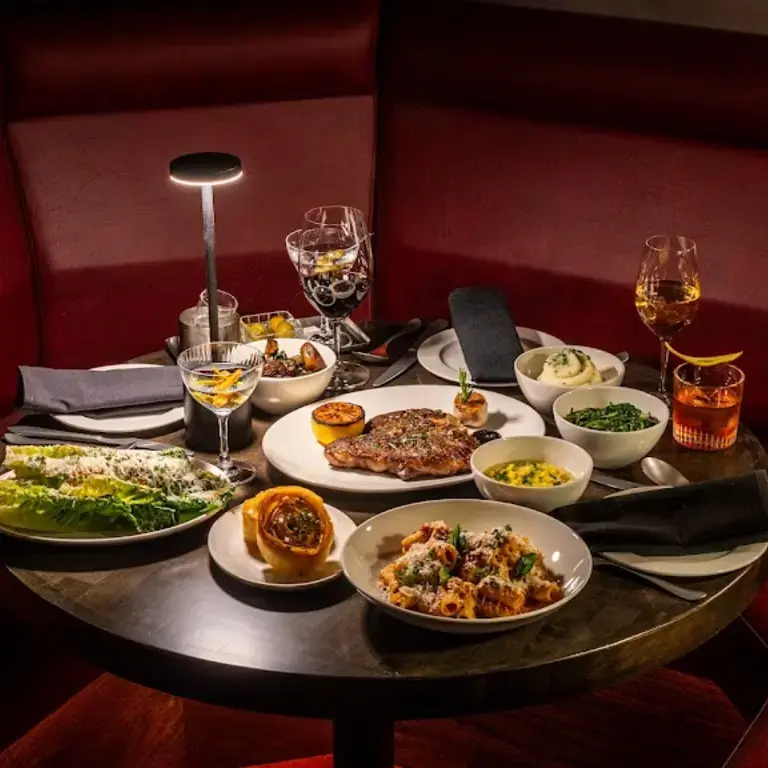
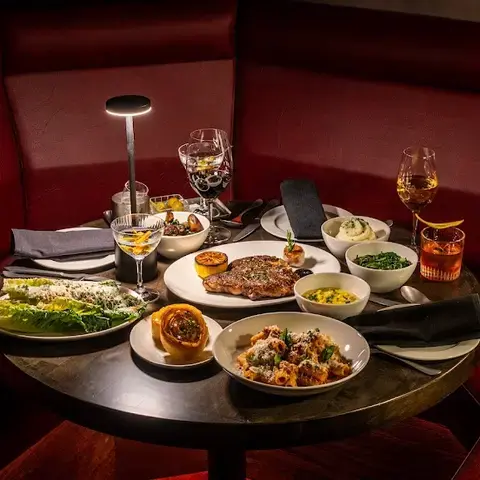
Kali
Kali no longer resembles the tasting-menu restaurant that originally earned its Michelin star. In 2025, chef Kevin Meehan and co-founder Drew Langley recast it as a midcentury-inspired Hollywood steakhouse centered on an à la carte menu. Ribeye, New York strip, and a 32-ounce porterhouse now share the table with shrimp cocktail, Caesar salad, several potato preparations, and rigorously chilled martinis.
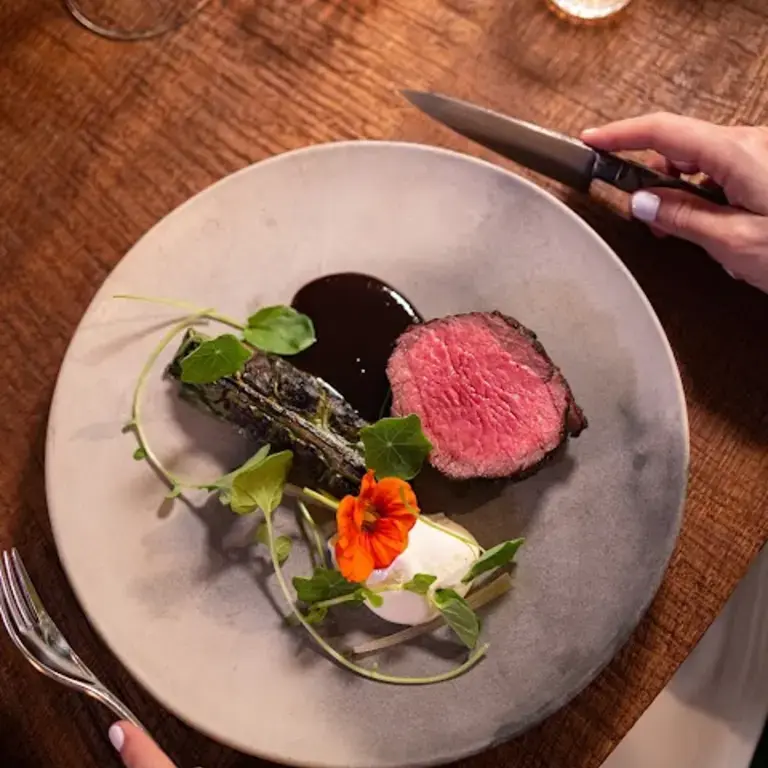
Meteora
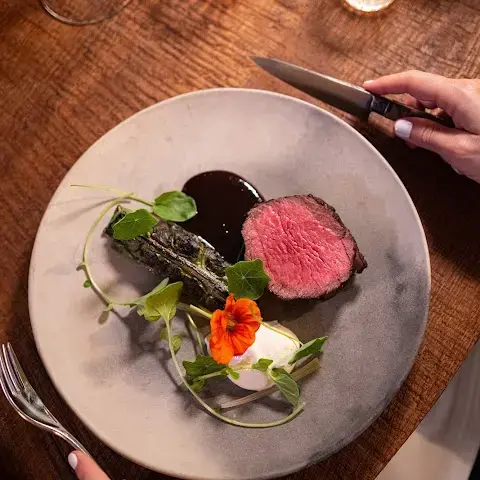
At Meteora, chef Jordan Kahn pairs live-fire cooking with a lush, sculptural dining room filled with greenery and natural materials. Guests can choose four courses starting at $115 or six starting at $165, while the bar offers a separate à la carte menu. Cocktails follow the kitchen’s elemental approach, replacing conventional syrups and refined sugar with sweetness extracted from fruit, fresh sugarcane, and other whole ingredients.
Heritage
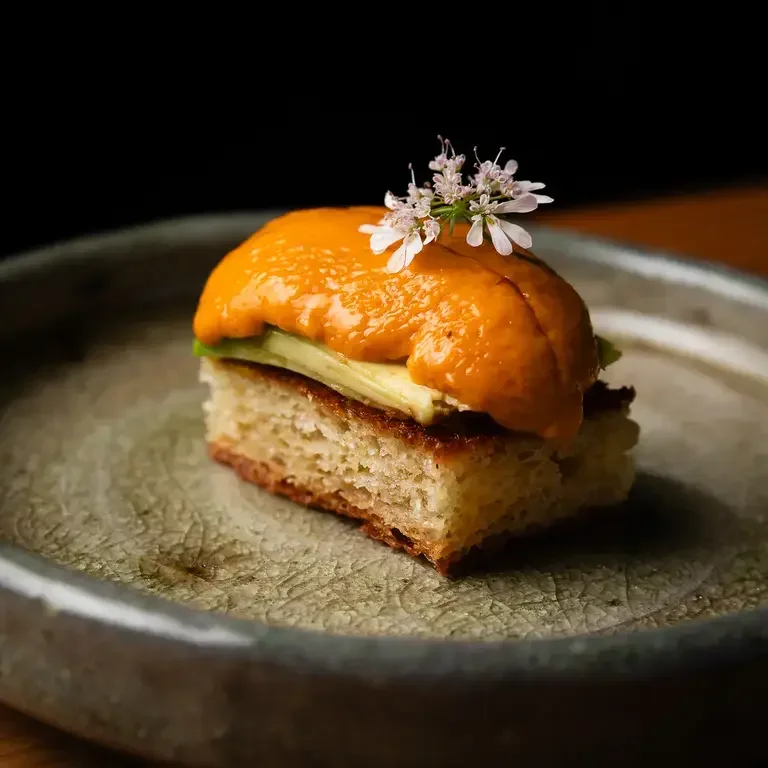
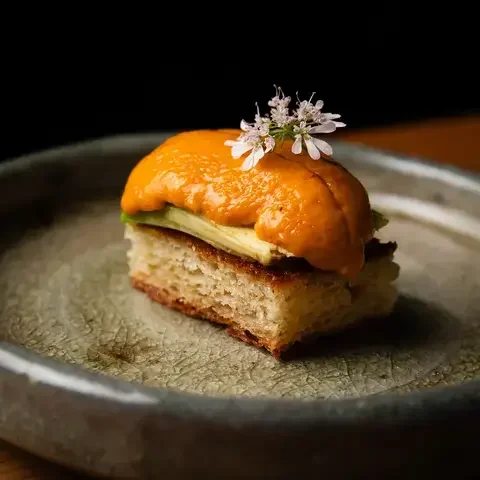
Siblings Philip and Lauren Pretty run Heritage, the first restaurant in Long Beach to earn a Michelin star. One mile from the dining room, their regenerative farm supplies produce for chef Philip’s $195 tasting menu and turns kitchen compost into material for future crops. That closed-loop relationship is central to Heritage’s zero-waste philosophy, which also prioritizes farmers-market ingredients and responsibly sourced seafood and meat. The work has earned the restaurant a Michelin Green Star.