
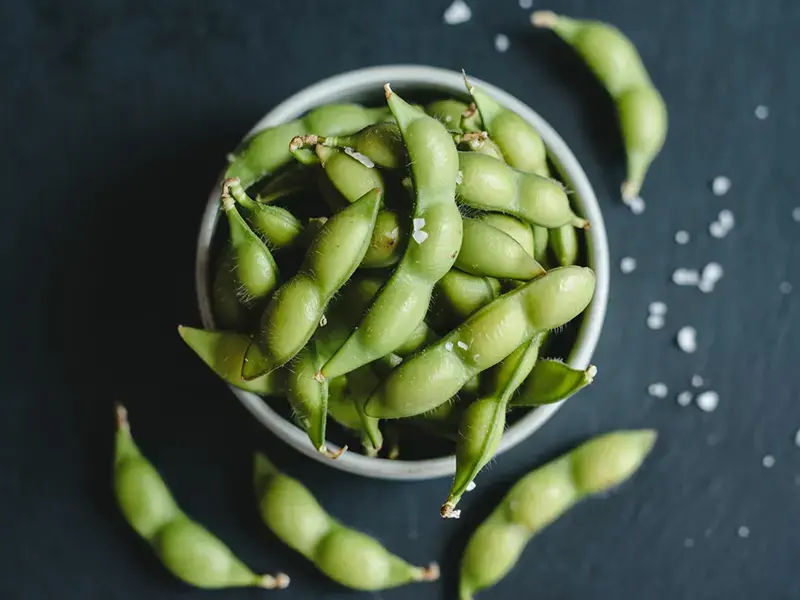
If you have visited a Japanese restaurant or browsed the frozen section of a well-stocked grocery store, you have likely encountered edamame. More than just an appetizer, edamame has a rich culinary history and a range of uses that extend beyond a snack bowl.
Here is a practical guide to what is edamame: its origins and characteristics, its flavor profile, how to eat edamame, and the many ways it appears in kitchens around the world.
What Is Edamame?
Edamame beans are young soybeans harvested before they fully mature and harden. Derived from the Japanese words “eda", meaning stem or branch, and “mame", meaning bean, the name stem bean refers to the traditional practice of selling them still attached to the branch.
Unlike the mature soybeans used to make tofu, soy milk, and soy sauce, edamame beans are picked while still green, tender, and encased in their fuzzy pods. This early harvest captures the beans at their sweetest, before they develop the starchy quality of ripened soybeans.
Nutritionally, edamame offers a rare combination for a plant food as it is a complete protein containing all essential amino acids, along with fiber, iron, calcium, and various vitamins. This profile has contributed to its popularity among health-conscious eaters and those seeking plant-based protein sources.
What Does Edamame Taste Like?
Edamame has a mild, subtly sweet flavor with grassy, nutty undertones. The taste is delicate and pleasant enough to eat plain but neutral enough to absorb seasonings. The texture is tender but with a slight firmness. Properly cooked edamame should never be mushy.
When served in their pods, edamame take on whatever seasoning is applied to the exterior (typically sea salt), but variations include garlic, chili, sesame, or citrus. The act of squeezing beans from pods means each bite carries seasoning from your fingers into your mouth, enhancing the experience.
It's a great option to add to your bean repertoire to make dinners more interesting. Compared to other legumes, edamame is less earthy than chickpeas, less starchy than mature beans, and fresher-tasting than most dried pulses. This lightness makes it appealing even to those who do not typically enjoy beans, and it explains why edamame succeeds as a snack.
How Is Edamame Traditionally Eaten?
Edamame is a common Japanese snack or appetizer, particularly alongside beer at izakayas (casual drinking establishments) or at home during summer evenings.
Edamame Pods and Table Etiquette
Eating edamame beans from their pods is a hands-on experience, and the technique is simple once you know it.
- Pick up a pod: Hold it between your thumb and fingers, bringing it to your mouth.
- Squeeze and pull: Place the pod between your teeth, bite down gently, then pull it back through while squeezing it with your fingers. The beans pop out directly into your mouth.
- Discard the pod: Place empty pods in a designated bowl or on the edge of your plate.
There is no need for utensils, and the informal nature of pod-eating is part of the appeal. At Japanese tables, edamame typically arrives in a shared bowl, and diners help themselves throughout the meal. Empty pods accumulate in a communal discard bowl or on individual plates. The pace is unhurried. Edamame is meant to be enjoyed slowly alongside drinks and conversation, not consumed quickly as a first course.
Can You Eat Edamame Pods?
The pods themselves are technically edible but not enjoyable. They are fibrous, tough, and chewy, with a texture that resists pleasant eating no matter how long they are cooked. Generally, the pod is just the vessel, protecting the beans during cooking or holding the seasoning. It's not meant to be eaten. This distinguishes edamame from snap peas or green beans, where eating the entire pod is the point.
If you prefer to skip the pod ritual entirely, shelled edamame offers the same nutritional benefits and flavor without the hands-on work. Shelled beans cook quickly and integrate seamlessly into other edamame recipes and dishes, though you sacrifice the interactive experience that makes pod edamame distinctive.
How Edamame Is Used in Cooking
In addition to the familiar salted pods, edamame appears in a wide range of dishes across Japanese cuisine and is increasingly used in kitchens worldwide.
- Japanese cooking: Edamame features in rice dishes, where shelled beans are mixed into seasoned rice for color and protein. It appears in salads, often combined with hijiki seaweed, carrots, and sesame dressing. Shelled edamame adds freshness to noodle bowls, bento boxes, and vegetable side dishes. In summer, chilled edamame rice balls (onigiri) showcase the bean's seasonal appeal.
- Soups and stews: Edamame holds its shape in brothy soups and light stews, contributing protein without becoming mushy. It works well in miso soup variations and clear dashi-based broths, but should be added near the end of cooking to preserve texture.
- Salads: Shelled edamame has become a staple in grain bowls, poke bowls, and composed salads. Its bright green color, mild flavor, and nutritional density make it an easy addition to quinoa salads, soba noodle bowls, and leafy green combinations. The beans pair naturally with Asian-inspired dressings featuring sesame, ginger, soy, and citrus.
- Dips or spreads: Pureed edamame becomes a vibrant green dip, similar in concept to hummus but lighter and fresher. Blended with garlic, lemon juice, olive oil, and salt, edamame puree works as a dip for vegetables and pita, a spread for sandwiches, or a sauce for grains and proteins.
- Pasta and grain dishes: Edamame adds color and protein to pasta primavera, risotto, fried rice, and pilaf. Its mild flavor complements rather than competes with other ingredients, making it a versatile addition to dishes that need a nutritional boost.
- Snack beyond pods: Roasted edamame beans, dried and seasoned, offer a crunchy snack alternative with significant protein content. These shelf-stable snacks come in various flavors, including sea salt, wasabi, and sriracha. They provide a satisfying crunch different from the soft texture of cooked beans.
- Vegetarian and vegan cooking: Edamame's complete protein profile makes it valuable in plant-based diets. It substitutes for meat in stir-fries, adds substance to vegetable curries, and provides protein in Buddha bowls and grain-based meals.
The versatility of edamame beans explains much of its global popularity. It crosses culinary boundaries effortlessly, feeling at home as a snack, in a contemporary grain bowl, or a simple weeknight stir-fry. They always add nutrition, color, and gentle flavor wherever they appear.