
Whether you’re baking a delicate sponge cake, rich brownies, or a custard with layered aromatics, vanilla often acts as a background note that ties flavors together. But when you’re out of extract—or simply want to try something new—there are elegant, effective alternatives. In this guide, we explore why you might need a substitute, the best replacements for various recipes, and how to match flavor profiles to maintain (or even elevate) the complexity of your bakes.
Why You Might Need a Substitute for Vanilla Extract
Vanilla extract is a staple in baking, but it’s not always available—or affordable. Here are a few reasons you might seek out an alternative.
- Availability: you’ve run out or can’t find a quality extract locally.
- Cost: real vanilla extract can be expensive, especially during supply shortages.
- Flavor control: some recipes benefit from a different aromatic profile.
- Dietary needs or alcohol sensitivity: traditional extracts contain alcohol, which some may wish to avoid.
Fortunately, there are several ways to bring aromatic complexity to your baking without relying on traditional vanilla. To understand more about vanilla’s origins and flavor chemistry, read our article on where vanilla flavouring comes from.
Best Alternatives and How to Use Them
Here are refined substitutes that work across a wide range of desserts, along with usage tips to help preserve texture and flavor integrity.
- Vanilla bean paste or whole vanilla beans: the most direct substitute. Use 1:1 for paste; 1 bean per tablespoon of extract. For beans, split lengthwise, scrape the seeds, and infuse both pod and seeds in the batter or cream base.
- Maple syrup: offers caramel and smoky undertones. Use 1:1 and reduce added sugar slightly to compensate for maple’s natural sweetness. Ideal in autumnal or nut-based desserts.
- Almond extract: strong and nutty—use sparingly (1/2 tsp for every 1 tsp of vanilla extract). Best in cookies, biscotti, or anything with fruit or chocolate.
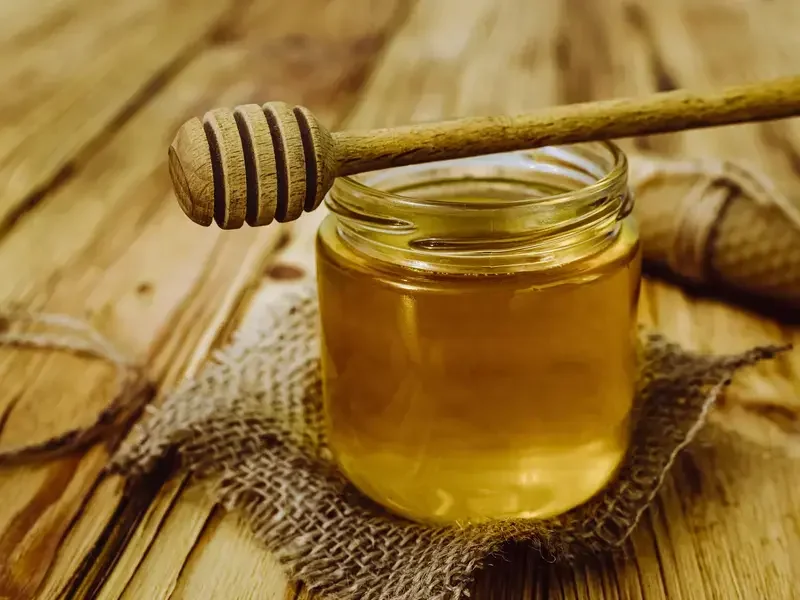
- Honey: rich and floral, especially good in warm cakes or muffins. Use slightly less than 1:1 and choose a mild honey to avoid overpowering more delicate flavors.
- Rum or bourbon: adds warmth and depth to chocolate or caramel-forward desserts. Use 1:1, but consider reducing other liquid content slightly if the alcohol is strong.
- Spices like cinnamon or cardamom: not a direct replacement, but they offer aromatic interest in cookies and quick breads. Use in small amounts (1/4 to 1/2 tsp) to complement other flavors.
- Citrus zest: lemon or orange zest gives freshness and a refined edge to pastries. Add 1/2 to 1 tsp per recipe and pair with complementary fruit or dairy elements.
To integrate any substitute smoothly, add it at the same stage you’d incorporate vanilla extract—usually when creaming butter and sugar or folding into a liquid base. This ensures even distribution and flavor infusion. Each substitute brings its own nuance—choose based on the dominant notes of your dessert and the complexity you're aiming to achieve.
Flavor Profiles: From Floral to Spiced
The best vanilla extract alternatives don’t just mimic vanilla—they contribute unique accents. Here’s how to tailor your choice.
- For floral desserts (e.g., panna cotta, custards): try orange blossom water, lavender syrup, or a touch of rose extract.
- For warm, spiced bakes (e.g., gingerbread, spice cake): rum, cinnamon, or nutmeg add complexity.
- For chocolate-forward dishes: espresso powder, bourbon, or almond extract deepen the flavor.
- For light, fruity recipes: lemon zest or passionfruit pulp complements without overpowering.
You can also experiment with layering two substitutes (e.g., almond extract and maple syrup) to recreate the layered smoothness of vanilla.
When to Use Natural vs Artificial Options
In high-end pastry making, natural substitutes are generally preferred for their authentic and layered flavors. However, artificial options may work in certain contexts.
- Natural choices like vanilla bean, spice infusions, or fruit zests preserve complexity and complement delicate flavors.
- Artificial vanilla flavorings (e.g., vanillin) offer consistency and are budget-friendly, but lack the depth of real vanilla.
When baking for an audience sensitive to alcohol or seeking clean-label options, look for non-alcoholic vanilla flavorings derived from natural sources.
For best results, match the substitute to the dessert’s tone: go bold in rustic cakes, and nuanced in refined pâtisserie. With thoughtful substitutions, your dessert can retain all the balance and aromatic elegance of the original—even without the extract.