
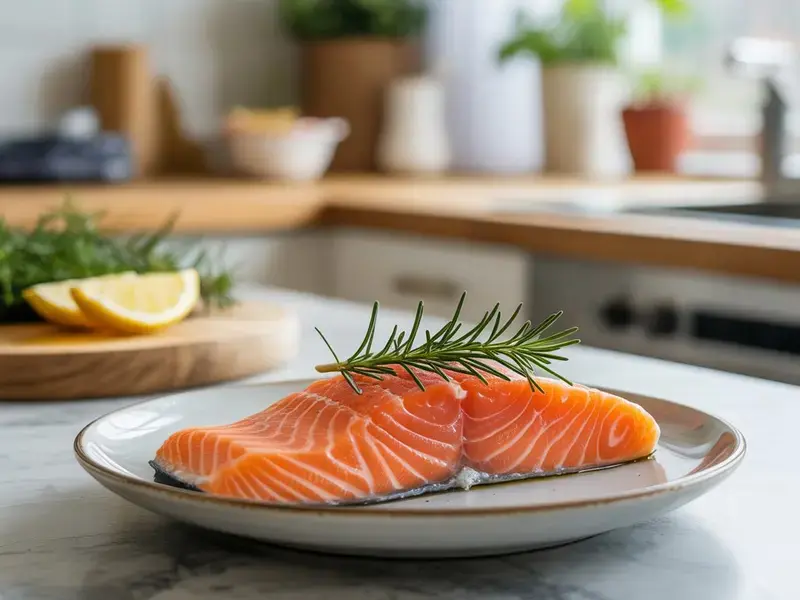
Celebrated by chefs around the world for its rich color and silky texture, salmon adapts effortlessly to countless preparations—from delicate crudo to comforting baked salmon in the oven. Understanding the different types of salmon helps you appreciate the nuances of flavor, texture, and origin that make each variety unique.
Different Salmon Varieties and Their Characteristics
There are several species of salmon found across the Pacific and Atlantic oceans, each with distinctive qualities that influence how it’s used in cooking.
- King (Chinook) salmon: The largest and most luxurious of all salmon species, prized for its high fat content and buttery texture. Its flesh ranges from ivory to deep red and stays moist even with simple preparations like roasting or grilling.
- Sockeye (Red) salmon: Known for its intense color and robust, full-bodied flavor. This variety holds up beautifully to strong seasonings, making it ideal for marinades or smoking.
- Coho (Silver) salmon: Milder and leaner than sockeye, Coho offers a delicate flavor and firm texture that works well in pan-seared or poached dishes.
- Pink (Humpback) salmon: The most abundant but also the lightest in flavor, with soft, pale pink flesh. Often used in canned or cured forms, though fresh pink salmon can make a tender option for baked or steamed recipes.
- Chum (Keta) salmon: Lean and slightly firmer, with a subtle taste. Its roe—known as ikura—is a delicacy in Japanese cuisine.
- Atlantic salmon: Farmed rather than wild, this species offers a consistent flavor and texture, often chosen for its mildness and versatility.
Each variety lends itself to specific preparations depending on fat content and firmness—King salmon, for instance, shines in slow-roasted or grilled dishes, while Sockeye’s bold taste enhances smoked or cured recipes.
Wild vs Farmed: What to Know
The distinction between wild and farmed salmon affects not only taste and texture but also sustainability and nutritional profile.
- Wild salmon feed naturally in open waters, developing leaner flesh, vibrant color, and more complex flavor. The texture is firmer, with higher levels of omega-3s balanced by a lower fat content.
- Farmed salmon, raised in controlled environments, tend to have a milder taste and higher fat levels that lend a softer, more buttery texture. Modern aquaculture practices have improved sustainability and feed quality, producing consistently flavorful fish available year-round.
When choosing, consider the cooking method: wild salmon performs beautifully in lighter preparations—like tartare, ceviche, or gentle poaching—while farmed salmon thrives in rich, high-heat dishes such as pan-seared fillets, or grilled skewers.
Flavor and Texture Differences
The flavor of salmon varies depending on species, diet, and environment. King salmon offers an almost velvety richness, while Sockeye delivers a bold, mineral-forward intensity. Coho balances mild sweetness with a firm bite, and Pink salmon, being leaner, provides a gentle, subtle taste ideal for lighter sauces.
Texture also plays a crucial role. Fatty varieties like King or farmed Atlantic salmon maintain moisture through cooking, while leaner types benefit from marination or quick searing to prevent dryness.
No matter the variety, salmon’s natural oils give it that distinctive silkiness and depth that make it a favorite among seafood lovers. To highlight those qualities, chefs often recommend cooking it gently and evenly—using techniques like baking, slow roasting, or sous-vide—to preserve its tender flakes.
For an elegant presentation, knowing how to skin salmon properly is essential. Slide a sharp knife between flesh and skin while keeping the blade angled slightly downward; this allows you to remove the skin cleanly while retaining the fillet’s structure. The skin itself, when crisped, makes a flavorful and textural garnish.
How to Choose the Right Salmon for Your Recipe
Selecting the best type of salmon depends on both recipe and occasion.
- For raw or cured dishes (like sashimi or gravlax): choose fresh, wild-caught King or Sockeye for their vibrant color and purity of flavor.
- For baking or roasting: opt for farmed Atlantic or Coho, which retain moisture and develop a delicate crust.
- For smoking or grilling: Sockeye or Chum varieties stand up to high heat and strong aromatics.
- For light, everyday dishes: Pink salmon offers an affordable, mild option that pairs easily with citrus and herbs.
When buying, look for firm, glossy flesh with no strong odor and skin that’s shiny and tight. Fresh salmon should spring back to the touch—an indicator of quality and freshness.
From ocean to plate, salmon varieties reflect a fascinating interplay between environment, craftsmanship, and culinary creativity. Whether you prefer the melt-in-your-mouth luxury of King salmon or the bright assertiveness of Sockeye, understanding these distinctions transforms an everyday meal into a refined seafood experience—worthy of the world’s finest tables.