
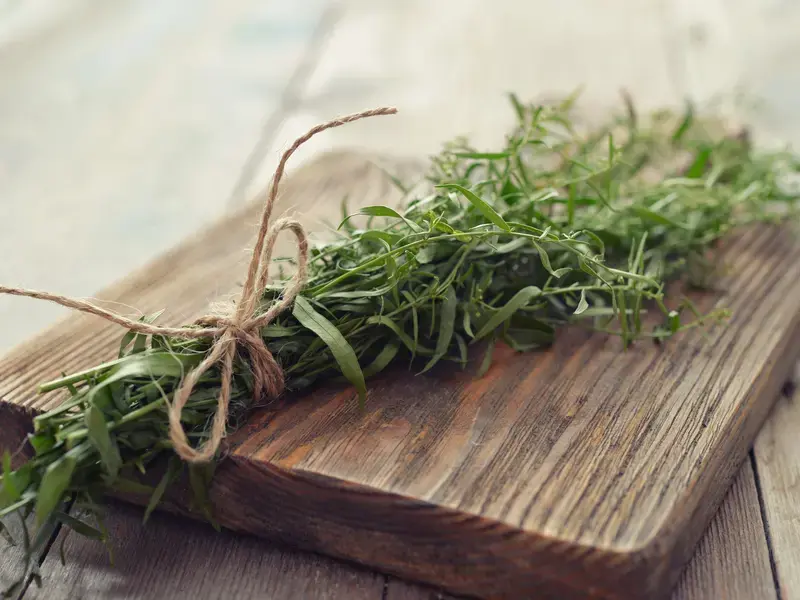
Tarragon has long held a place in classic French cuisine, lending its distinctive aniseed note to sauces, poultry, and fish. But its uses go far beyond béarnaise. From simple vinaigrettes to elegant meat dishes and fresh herb blends, this versatile herb deserves a spot in your culinary repertoire. In this guide, we’ll explore what tarragon tastes like, how to cook with it, which dishes highlight its best features, and what to do if you don’t have any on hand. Plus, you’ll discover how to pair it creatively and make the most of its nuanced, refreshing taste.
What Is Tarragon? Taste, Aroma, and Culinary Origins
Tarragon is a perennial herb in the sunflower family, known for its slender green leaves and strong, distinctive aroma. The flavor is often compared to anise or licorice, but it's more nuanced—peppery, slightly bittersweet, with subtle hints of vanilla and mint.
Native to Eurasia, tarragon is a cornerstone of French cooking. It’s a key ingredient in fines herbes, along with parsley, chervil, and chives, and is famously used in béarnaise sauce—a classic pairing with steak and grilled meats. Its use isn’t limited to savory dishes; it also plays a role in infused vinegars, herbal teas, and compound butters that brighten vegetables or grilled seafood.
French tarragon (Artemisia dracunculus) is the variety most prized for cooking, while Russian tarragon has a milder and more bitter taste. When buying fresh tarragon, look for long, vibrant green leaves and a firm stem—avoid any yellowing or wilting, which signals it's past its prime.
Cooking with Tarragon: Dos and Don’ts
To make the most of tarragon’s unique profile, follow these simple rules.
Do
- Use it fresh when possible—it loses much of its character when dried.
- Add it at the end of cooking or in uncooked dishes to preserve its flavor.
- Pair it with creamy textures: think eggs, cream sauces, soft cheeses.
- Store fresh sprigs in the fridge wrapped in damp paper towels or standing in a glass of water.
- Use it in infusions—vinegars, syrups, or oils—for a subtle background note.
Don’t
- Overdo it—its boldness can easily overwhelm.
- Use it with heavy spices or other licorice-flavored ingredients unless carefully balanced.
- Cook it for long periods; heat can mute its subtle complexities.
- Assume all tarragon is equal—fresh French tarragon is far superior to Russian or dried types.
Recipes That Highlight Tarragon’s Flavor
Looking for recipes using tarragon? These dishes showcase the herb’s bright, distinctive personality.
- Tarragon chicken: sauté chicken breasts in butter, deglaze with white wine, finish with cream and fresh tarragon.
- Creamy tarragon egg salad: chopped hard-boiled eggs, Dijon mustard, Greek yogurt, and tarragon.
- Herb vinaigrette: blend tarragon with shallots, white wine vinegar, and olive oil for a salad dressing with depth.
- Tarragon potato salad: toss new potatoes with sour cream, lemon juice, and chopped tarragon.
- Béarnaise sauce: a rich emulsion of butter, egg yolks, white wine vinegar, and tarragon—perfect for steak or vegetables.
- Grilled salmon with tarragon butter: a simple yet elegant way to let the herb shine.
- Tarragon and mushroom risotto: add tarragon toward the end of cooking to brighten earthy flavors.
- Zucchini ribbons with tarragon oil: a fresh summer side with delicate complexity.
Tarragon also pairs beautifully with shellfish, roast chicken, sautéed mushrooms, or even poached pears for a surprising twist.
Substitutes for Tarragon: When You Don’t Have It
If your recipe calls for tarragon and your spice rack is bare, here are a few alternatives that capture elements of its character.
- Fennel fronds: slightly sweet and licoricey, especially good with fish.
- Basil + a touch of anise or fennel seed: mimic tarragon’s aromatic complexity.
- Dill: milder but bright and herbal, a good match for creamy dishes.
- Chervil: if available, it’s the closest cousin in fines herbes.
- Angelica or marjoram: lesser-known but occasionally effective in replicating tarragon’s warmth.
Keep in mind that no substitute fully replicates tarragon, so it’s best to adjust quantities and taste as you go. Also consider adjusting cooking time and acid levels—tarragon often thrives in a slightly acidic environment that brings out its aromatic top notes.
Pairing Tarragon with Proteins, Veggies, and Sauces
What makes tarragon so versatile is its ability to play well across a variety of dishes. Use it to elevate simple proteins, bring nuance to sauces, or freshen up vegetable sides. Here are some ideas.
Proteins
- Roast chicken with tarragon butter
- Salmon or trout with lemon-tarragon glaze
- Poached eggs with tarragon hollandaise
- Veal cutlets with tarragon pan sauce
- Duck breast with tarragon-red wine reduction
Vegetables
- Sautéed mushrooms with a hint of tarragon and cream
- Steamed carrots with butter and chopped tarragon
- Green bean and shallot salad with herb vinaigrette
- Leek and potato gratin with tarragon béchamel
- Roasted parsnips with tarragon glaze
Sauces and condiments
- Tarragon mayonnaise
- Infused tarragon vinegar
- Creamy herb sauce for pasta or vegetables
- Tarragon-mustard dressing
- White wine and tarragon reduction for seafood
Tarragon’s strength lies in its elegance: a little goes a long way, yet its presence is unmistakable. Used well, it lends complexity, freshness, and French sophistication to a wide range of dishes.