Arneis (The Resurrected White)
The Bottle: Vietti Roero Arneis
By the 1960s, the native white grape Arneis was nearly extinct, relegated to field blends and, according to local lore, planted to draw birds away from more valuable Nebbiolo vines. Alfredo Currado, patriarch of pioneering Barolo producer Vietti, helped change that trajectory, producing one of the first varietal bottlings of Arneis in 1967 and demonstrating the grape’s standalone potential.
Vietti head winemaker Eugenio Palumbo points to Roero’s relatively young geological formations and sandy, erosion-prone soils, which stress the vines and limit water retention, allowing the grapes to ripen fully while concentrating their flavors and aromas. The resulting wine is complex, yet approachable: beautifully aromatic, characterized by crisp stone fruit, white floral notes, and a signature touch of raw almond on the finish.
The American Table Pairing
Arneis combines clean, refreshing acidity with enough midpalate weight to handle delicate proteins. According to Palumbo, the wine’s sapid, slightly bitter almond finish keeps rich seafood in balance. That makes it a natural match for steamed clams or grilled white fish. It also shines with premium Friday night sushi takeout: the wine’s clean mineral profile cuts through the fat of avocado and spicy tuna without overpowering delicate sashimi.
Barbera (The Acid-Driven Red)
The Bottle: Braida Montebruna Barbera d’Asti
When Giacomo Bologna founded Braida in 1961, Barbera was stuck in a deep identity crisis, widely dismissed as a rustic, high-yield jug wine associated with local vineyard workers. Bologna helped revolutionize its global reputation by treating the grape with the reverence typically reserved for noble varieties. He drastically reduced yields, prioritized premium vineyard sites, and later experimented with exceptionally late harvesting to achieve full physiological ripeness without sacrificing the deep purple grape’s signature punchy acidity.
Today, the Bologna family continues to refine this legacy, responding to rising temperatures through careful clonal selection. Smaller berries with thicker skins increase flavor concentration and color stability while preserving the grape’s fresh, elegant character.
The American Table Pairing
Barbera’s high acidity makes it a laser-sharp counterpoint to fatty, rich American staples, taming the grease and keeping each bite fresh. It is flawless alongside a cast-iron ribeye or backyard cheeseburger.
Smoked Texas barbecue brisket requires a wine that can handle heavy rendered fat without obscuring the complex flavors of sweet wood smoke, black pepper, and intense umami bark. Traditional high-tannin collector reds often clash with these sweet and smoky elements, turning aggressive and metallic on the palate.
Braida export manager Norbert Reinisch explains that Barbera’s low tannins allow its vibrant acidity to take the lead after each bite. In Montebruna, this high-acid, low-tannin architecture lets the wine’s rich, dark-fruited flavors frame the smoked brisket rather than compete with it.
Gavi (The Crisp Classic)
The Bottle: Enrico Serafino Grifo del Quartaro Gavi del Comune di Gavi DOCG
Made entirely from the indigenous Cortese grape in the southeast corner of Piedmont, Gavi is the region’s premier white wine appellation. Grifo del Quartaro showcases the classic hallmarks of the style.
“The clay and limestone soils provide minerality, structure and complexity, while the maritime breezes from the Ligurian Sea promote significant day-night temperature variation,” explains Enrico Serafino winemaker Paolo Giacosa. “These temperature shifts help preserve aromatic intensity [and freshness]. Cortese is naturally elegant and refined, and in Gavi it develops a compelling balance of minerality, vibrant acidity, and delicate floral and citrus notes.”
The American Table Pairing
Gavi acts as a counterweight to naturally sweet proteins and buttery components, pairing as readily with seafood as with more substantial dishes.
Giacosa recommends it with a classic Sunday night roast chicken and root vegetables, as the wine’s acidity tempers the richness of the meat while enhancing its savory flavors without overwhelming the dish.
For a coastal pairing, the wine keeps the rich mayonnaise or warm drawn butter in a New England lobster roll from feeling heavy, much like a fresh squeeze of lemon. “Here, the wine’s saline minerality and crisp acidity provide contrast and lift, refreshing the palate and highlighting the natural sweetness of the lobster,” he adds.
Dolcetto (The Everyday Table Red)
The Bottle: Marchesi Di Grésy Monte Aribaldo Dolcetto d’Alba DOC
Despite its name, which translates to “little sweet one,” Dolcetto produces entirely dry wines. The name is often attributed to the grape’s low acidity at harvest, though its precise origin is debated. In the glass, Dolcetto yields a deeply colored, dark-fruited red wine boasting notes of black cherry, licorice, and almond. Because the grape ripens early and the wine drinks well young, Dolcetto is the classic everyday bottle that Piedmontese winemakers pour for themselves while waiting for their Barolos to mature.
Ludovica di Grésy says Marchesi di Grésy’s Dolcetto is cultivated on prime south- and southwest-facing plots at the Monte Aribaldo estate in Treiso, defying the regional trend of more lucrative Nebbiolo displacing Dolcetto in top-tier terroirs. Keeping Dolcetto on land that could yield greater returns from Nebbiolo destined for Barbaresco prioritizes the grape’s quality over profit.
Her older brother Alessandro adds, “If Nebbiolo became the wine of the kings, and the king of wines, we can say Dolcetto is the wine of the people, and the king of pairings.”
The American Table Pairing
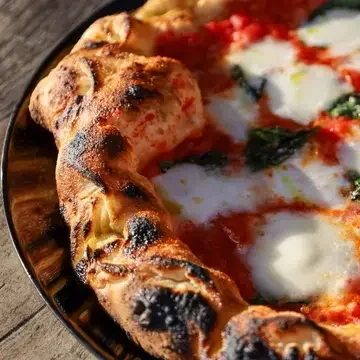
Dolcetto is a soft, juicy, fruit-forward option with a hint of earthy complexity and an exceptional partner for casual, savory dishes. Because the wine undergoes a short maceration and ages in stainless steel and concrete, it retains a straightforward, highly versatile profile. Ludovica recommends it with Tuesday night pizza delivery, cured meats, or a hearty home-cooked chili, where its moderate acidity and dark fruit allow salty, spicy flavors to shine.
The wine also has enough structural grip for heavier fare. Alessandro says its slightly bitter finish cuts through the richness of burgers, wings, or a Sunday barbecue spread.