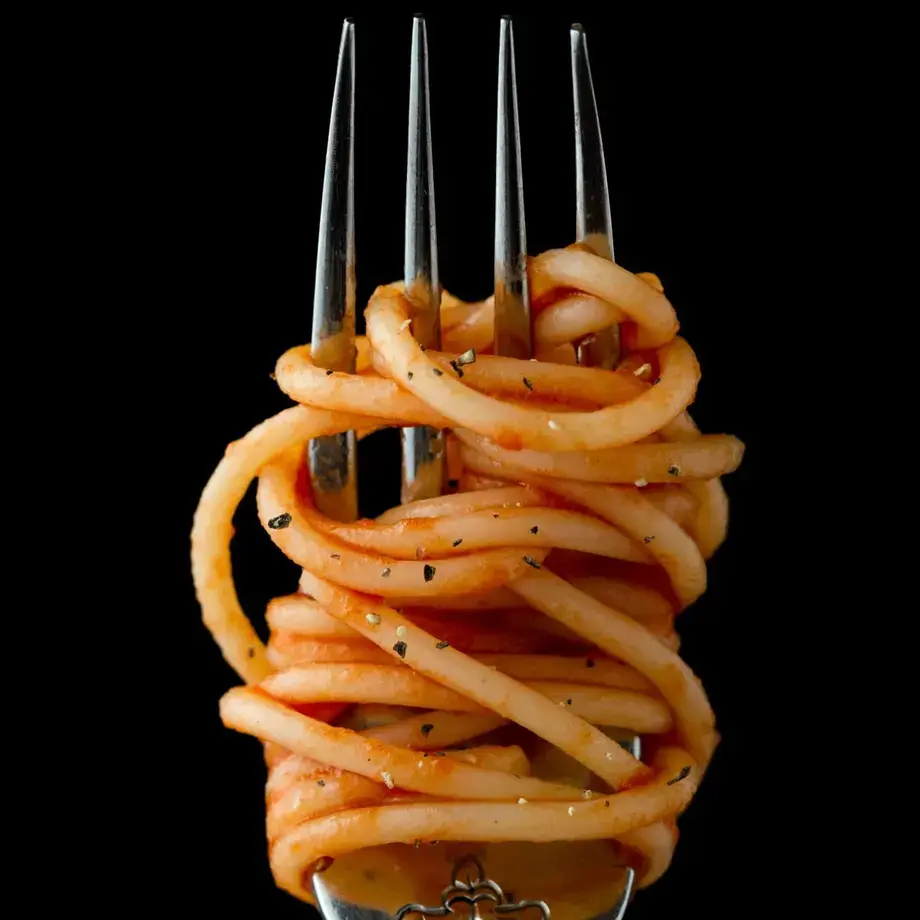
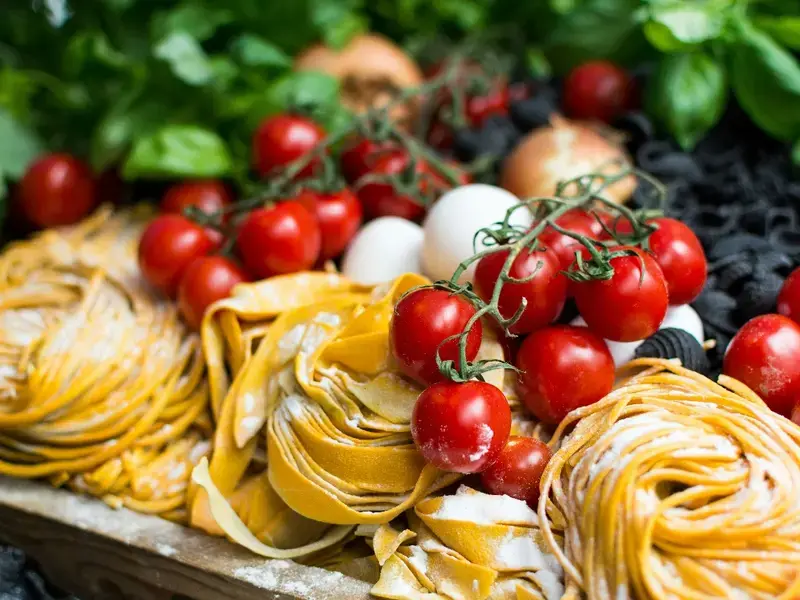
Italian cuisine has officially been added to the UNESCO Representative List of the Intangible Cultural Heritage of Humanity, a historic first for a national cuisine. The designation, announced on December 10 in New Delhi by the UNESCO Intergovernmental Committee, recognizes Italian cooking not just for its iconic foods—like pasta, pizza, and gelato—but for the rich cultural traditions and practices that surround them.
UNESCO’s inscription, titled Italian cooking, between sustainability and biocultural diversity, highlights the cultural and social blend of culinary traditions that define Italian food and life. The listing cites the communal nature of Italian cooking, rooted in the use of fresh raw materials and artisanal techniques, and grounded in respect for ingredients and shared moments around the table. It celebrates the sustainability embedded in anti-waste recipes and the transmission of flavors, skills, and memories from generation to generation.
Beyond kitchen techniques, the designation emphasizes food as a means of connection and belonging. Family gatherings, Sunday lunches, and rituals like grandmothers teaching grandchildren how to shape pasta are all part of a living tradition that strengthens community ties and reflects Italy’s biocultural diversity.
The decision was met with prolonged applause in the committee hall and has been welcomed across Italy as a recognition of the country’s profound culinary heritage.
To celebrate this moment and the invaluable worth of Italian culinary tradition, we’re revisiting a Fine Dining Lovers feature in which three Michelin-starred chef Giancarlo Perbellini highlights 30 essential Italian dishes everyone should know.