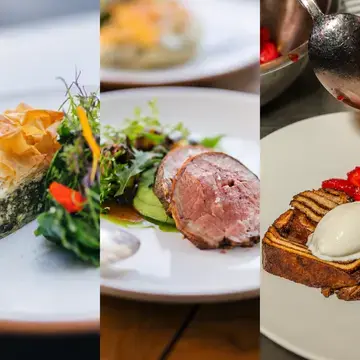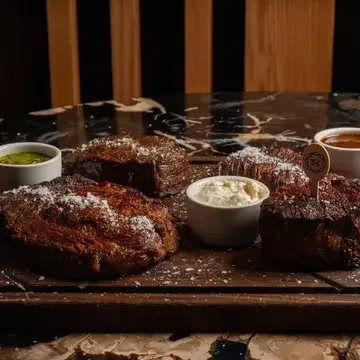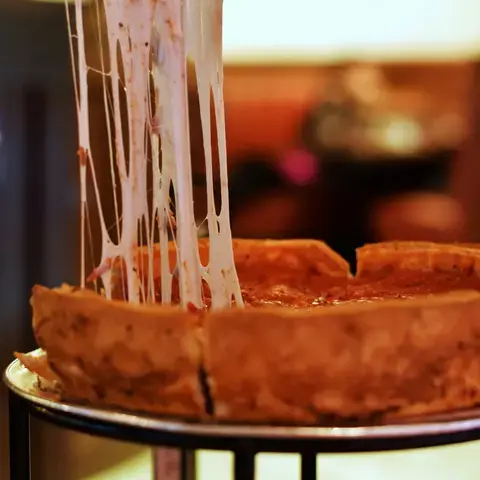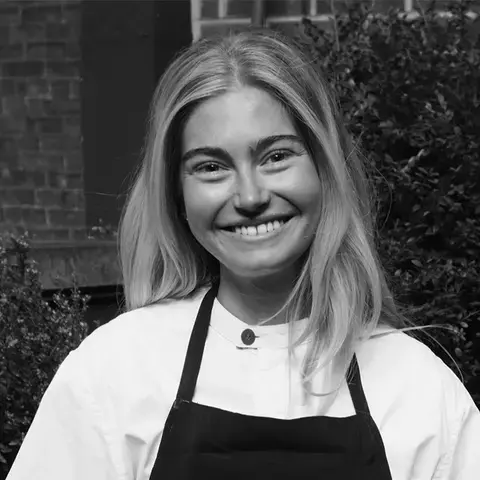
For generations, French-inspired chefs, techniques, and kitchen systems set the standard for Western fine dining.
The proudly Gallic Auguste Escoffier (1846–1935) had an undeniable genius for transforming raw flavors and textures into elegant works of edible art. His legacy can still be savored today in the methodical, meticulous way those flavors and textures are transmuted.
Escoffier cooked up order from chaos in his own kitchen and, in the process, created a formula that helped others do the same. Simply put, he helped turn a motley cohort of people, ingredients, and techniques into a systematic, codified way to deliver food, made well, to the best tables in the world. The brigade system of organization, supported by highly specialized knife skills and techniques, an array of basic “mother” sauces, and foundational stocks, helped make fine dining replicable across time and space.
Every generation or so, there would be a knife fight between leading chefs over how to expand or advance the culinary arts, but many of the underlying French techniques endured, even as ingredients and dishes changed.
Chefs like Massimo Bottura and René Redzepi pushed the envelope, creating a new way of looking at cuisine while still drawing on O.G. French techniques. There had been rebellions in the motherland, too: nouvelle cuisine, championed by food critics Henri Gault and Christian Millau, rocked kitchens across the globe in the 1970s, emphasizing fresh ingredients, shorter cooking times, and lighter touches overall.
But a different kind of revolution has been unfolding in fine dining rooms across the world, as chefs recover, elevate, and reinterpret culinary techniques and ingredients that were celebrated and widely used centuries, sometimes millennia, ago.
Fine dining is getting a makeover rooted in ancestral traditions, with a reframed way of thinking about and serving up a luxury experience.
Fired by Ancient Traditions
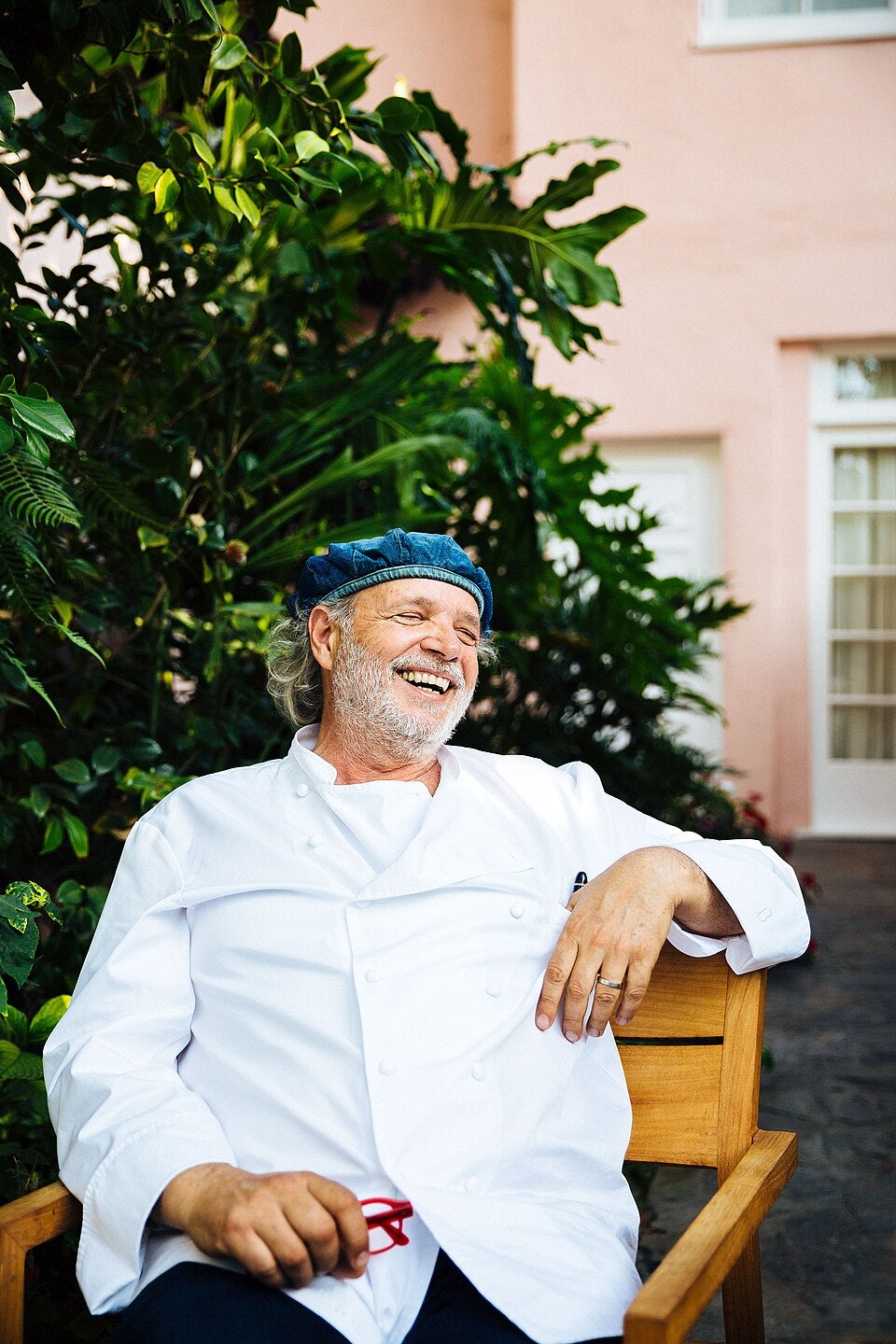
By his late 30s, Francis Mallmann had reached what many would consider the pinnacle of success. After training under maestros like Alain Chapel, he was awarded the International Academy of Gastronomy’s Grand Prix de l’Art de la Cuisine in 1995. It is an honor he shares with icons like Grant Achatz, Redzepi, and Ferran Adrià.
And yet, he felt empty.
“I was sad,” Mallmann says. “I felt like a musician covering the works of someone else. I didn’t have my own song. I was just singing the songs of Bob Dylan. I thought, ‘I have to change this.’”
Mallmann considered his next move carefully, knowing it would likely set the stage for the second half of his career.
“I looked back on my youth, at the roots of my life,” Mallmann says, recalling this troubled, searching period in the mid-1990s. “I thought of what moved me. The snow, storms, the moon. The sun of Patagonia, where I lived. The forests, rivers, and lakes that defined our lives. And then, I saw fire.”
Growing up, fire defined life: the hearth for cooking, heat for warmth. His mind returned, again and again, to the Mesopotamia region in northeastern Argentina.
“I decided to study the native cultures and tribes,” he says. “I spoke to anthropologists; I discovered that there are traces of us cooking by fire there underground 13,000 years ago. I started with that.”
Since then, Mallmann, who has published books (including the classic Seven Fires: Grilling the Argentine Way) and starred on Chef’s Table, has forged a new way of thinking about culinary luxury.
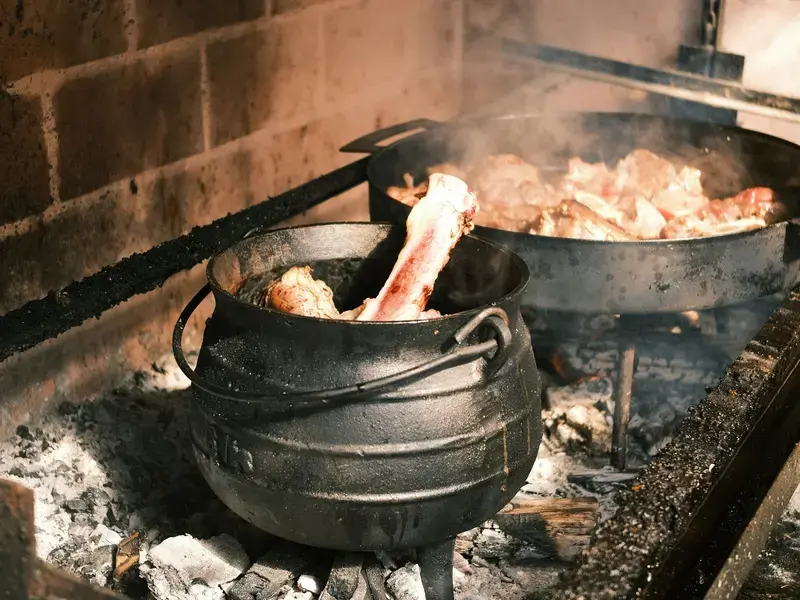
“When I started cooking with fire, I developed seven techniques,” he explains. “All inspired by the Incas, the tribes of Argentina, and the life of the gauchos or cowboys there today. Back then, people were cooking with tweezers. But all I wanted to do was stand in the woods making food over a fire.”
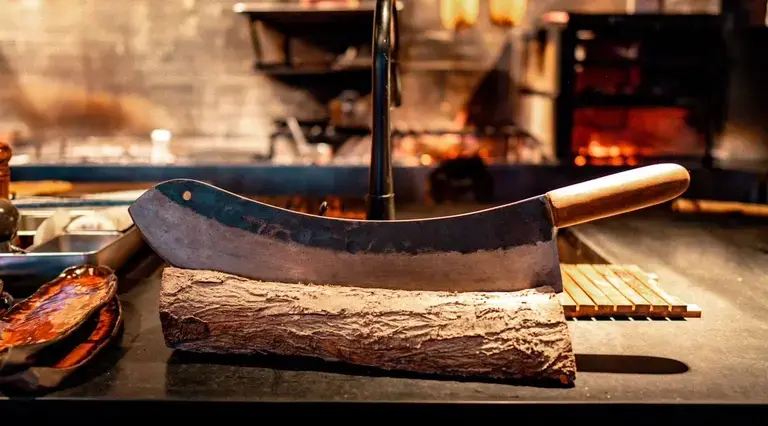
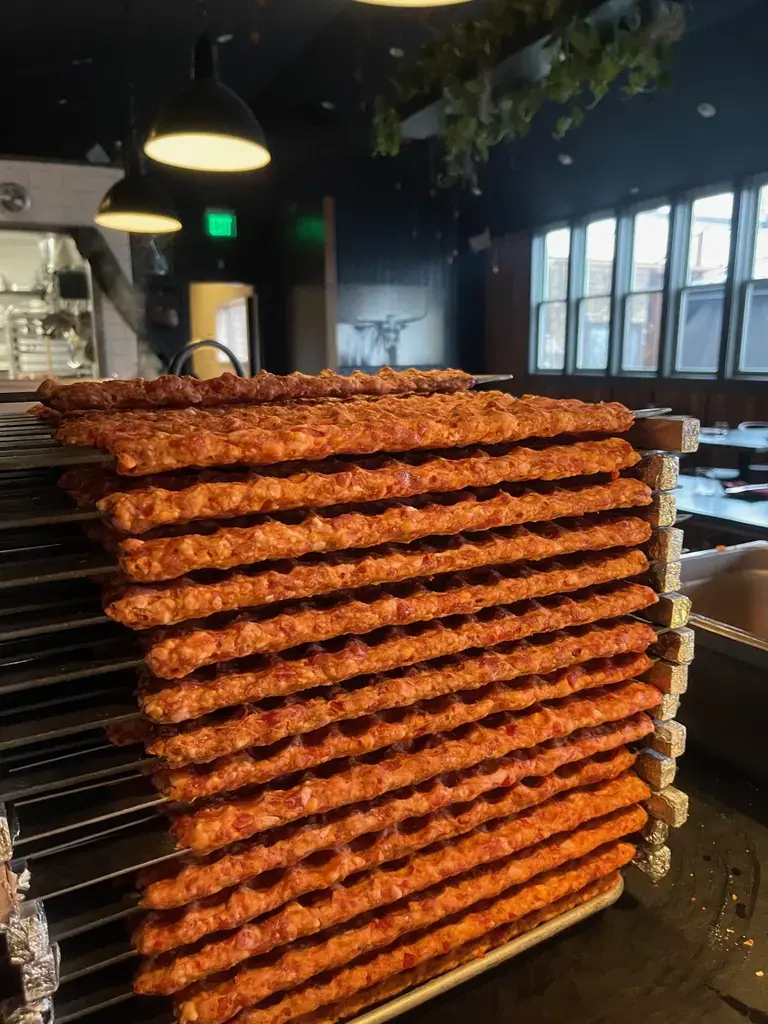
Mallmann’s seven techniques are parrilla (a grill over hot wood coals), chapa (a cast-iron griddle over flames), rescoldo (cooking in embers and ash), infiernillo (cooking between two fires), horno de barro (a wood-fired clay oven), asador (roasting large cuts or whole animals on an iron cross beside a fire), and caldero (an iron pot over fire or coals). He says they bring him intense, spiritual joy, and he believes the guests he cooks for feel equally connected.
“Dinner can be so boring,” Mallmann says. “Cooking and eating this way, always on the move, walking around the forest to visit one of our fires, then sitting at a table to cut a steak, changing seats from a bench to an armchair, talking and eating around a fire. It’s beautiful, elemental. Simple food, done well, is the most difficult.”
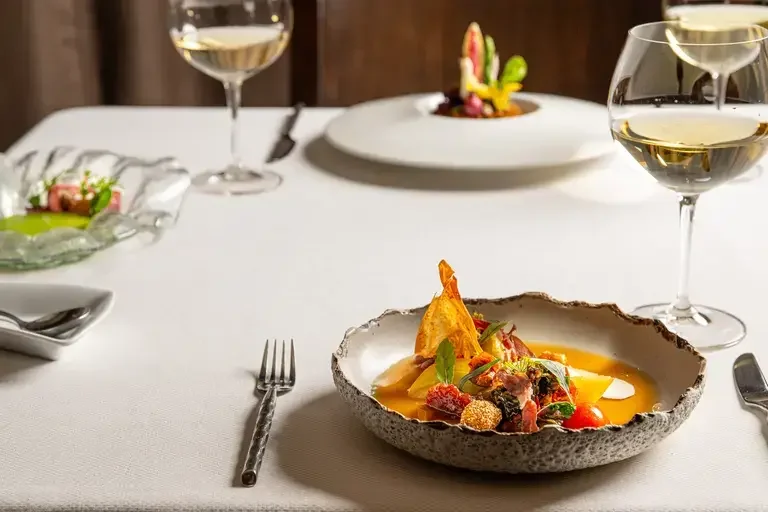
There is no velouté, puff pastry, caviar bump, or gorgeous plating technique to hide your subpar lamb behind.
“It seems like it’s just lamb,” Mallmann says.
Prepared over fire, as our ancestors did, filtered through our modern idea of luxury.
“But it’s about more than food,” Mallmann says of the wild success (including restaurants across Argentina, the United States, France, Uruguay, and Chile) his rugged approach to modern fine dining has earned him. “It’s about the elemental joy of being human.”