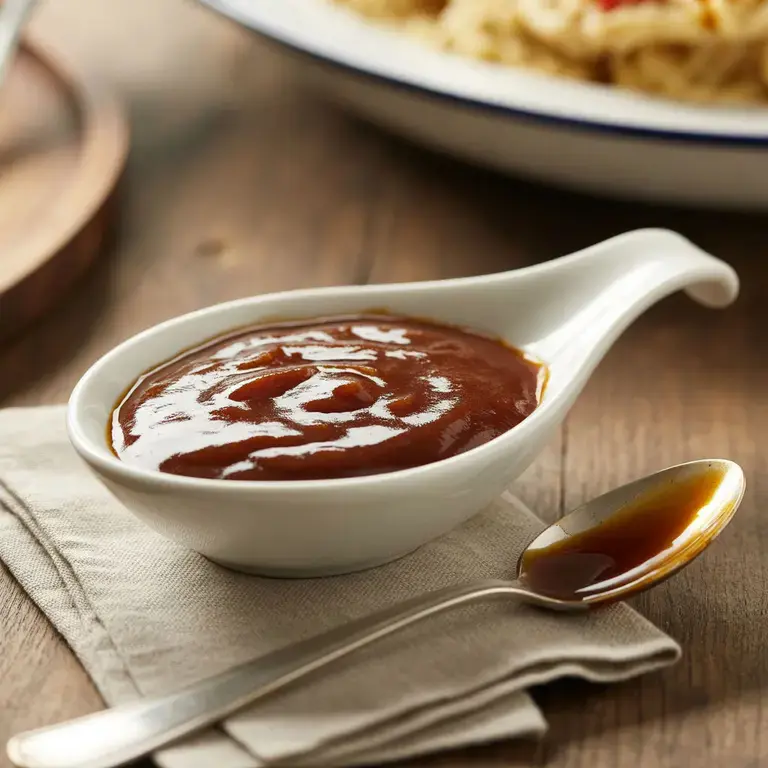

If you’re wondering what marsala sauce is, quite simply it’s a rich, creamy sauce that features Marsala wine — an Italian fortified wine originating from Sicily. The Marsala wine gives the sauce a nutty and complex flavor and it’s used in both sweet and savory dishes alike, from ricotta cheesecake to pork chops.
Alongside the wine, mushrooms play a vital role in the sauce and it’s best not to rush cooking them, to get the most out of the flavors. In the recipe above we’ve suggested using white mushrooms, but you could also use varieties, such as cremini, to introduce deeper, earthier notes to the sauce. Mushrooms are full of water and this is released when they’re exposed to heat. To stop your sauce from becoming too watery, try brushing your mushrooms to clean them prior to cooking, instead of washing.
Many chefs will add a helping of heavy cream at the end of the cooking process, to make the sauce even more indulgent. You don’t have to add this ingredient to create an authentic Marsala sauce, but it will bring a desirable silky texture to the recipe.
Best Proteins to Serve with Marsala Sauce
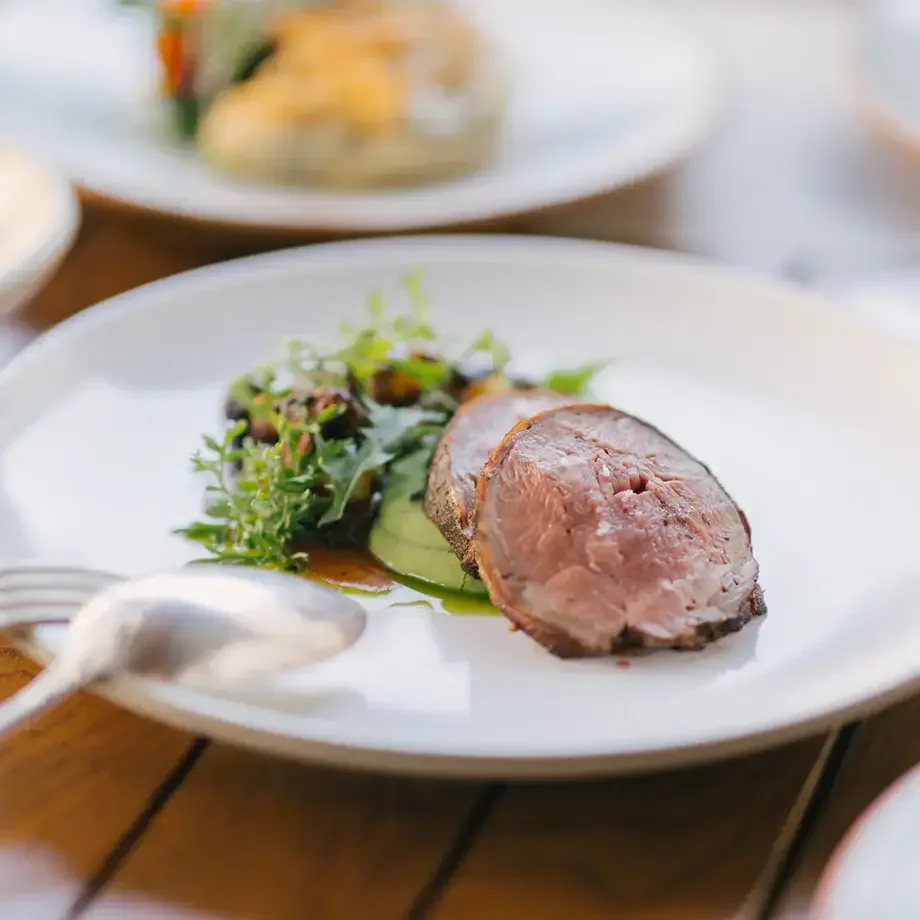
Pork chops is a classic protein choice to serve with Marsala sauce, for an elegant comfort food dish. The slight sweetness of the Marsala sauce perfectly complements the savory flavor of the meat, while the acidity of the wine cuts through the richness of the fat in the pork chops.
Another popular food pairing with Marsala sauce is chicken. This meat doesn’t overpower the Marsala sauce and all of the ingredients work seamlessly together in a traditional Italian fettuccine or gnocchi dish.
For a plant-based alternative, tofu can be mixed into the sauce as a versatile and flavor-absorbing ingredient. Try searing it first to add a golden exterior to the tofu, to introduce a crispy texture to the dish.
Wine Selection: Dry vs. Sweet Marsala
Marsala wine is available in a few different expressions and is typically classified according to its color, sweetness, and aging time. There are three levels of sweetness — secco, semisecco, and sweet. The dry variety, otherwise known as secco, is commonly preferred when making Marsala sauce. Its balanced flavor profile helps to harmonize the ingredients, and doesn’t dominate with excessive sweetness.
However, some chefs prefer to use the sweet variety, or even a mixture of Marsala wine styles. Sweet Marsala wine is more commonly used in dessert recipes, such as warm tiramisu, but you can add it to your sauce if you wish to enhance the sweetness of your dish.
If you can’t find Marsala wine in your local grocery store other fortified wines, such as sherry, can be used in its place, but you’ll end up with a slightly different sauce depending on the substitute you use. Find out more about fortified wines in our helpful guide to the top styles you should know and learn to cook with.