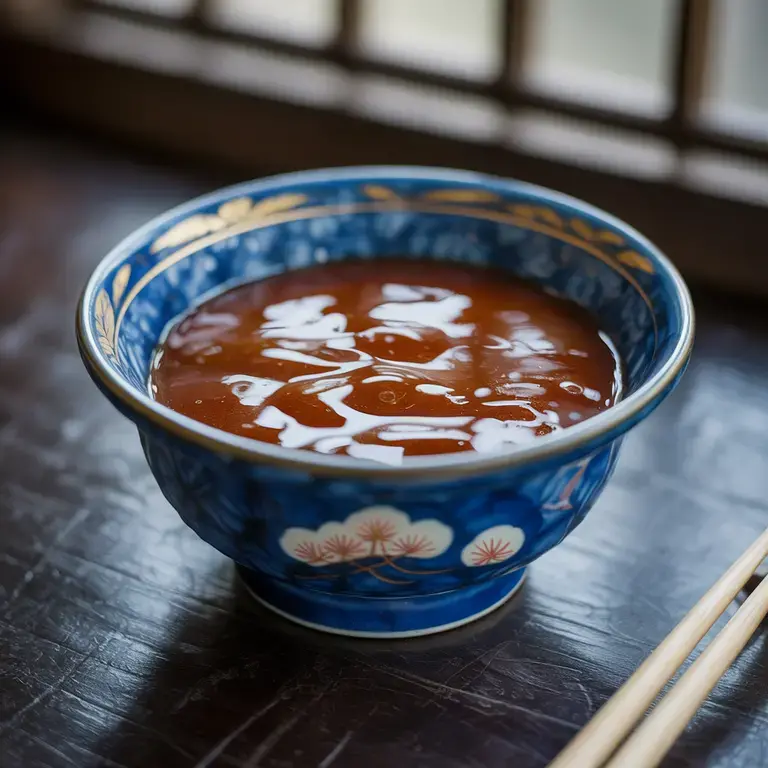

If you’re new to Asian cooking and wondering what katsu sauce is, it’s essentially the Japanese answer to barbecue sauce. Sweet and tangy, with an umami kick, homemade katsu sauce is an easy way to elevate many dishes in your kitchen. It’s a simple recipe to follow, so our main tip for the tastiest Japanese katsu sauce recipe is to ensure you buy the freshest ingredients and invest in top quality brands.
If you have the time to rest it, transfer the sauce to the fridge. Giving it time to chill will help to thicken up the sauce and create the desired, syrupy texture.
You may be more familiar with katsu curry sauce, and have tried this in local Asian restaurants. This sauce does feature overlapping ingredients, including ketchup and ginger, but it’s used in a very different way. Sweeter and richer, a katsu curry sauce is often the focal point of the dish, whereas a katsu sauce is used more traditionally as a condiment for a variety of recipes.
What to Serve It with
The versatility of a katsu sauce means it really can be used on any number of delicious dishes. Try drizzling it over the top of crispy chicken katsu, or smothering it onto a traditional Japanese chicken sando. Any tasty ingredient that’s been coated in panko breadcrumbs will pair well with this sweet and savory sauce, such as fried pork cutlets. You can also mix it into other sauces, for example curry sauce, to add additional umami notes and complex flavors. Or use it as a mouth-watering dipping sauce for a chicken and cheese katsu or Japanese-style croquettes.
Flavor Variations
The list of katsu sauce ingredients is straightforward and should be easy to find in your local grocery store. In the recipe above, we’ve shared the key classic ingredients for this dish, but you will find slight variations on the ingredients depending on the recipe you choose to follow. Some chefs will introduce spices, including cayenne pepper, to add a kick to their katsu sauce, making it sweet, savory, and spicy. Or you can add a touch of onion powder, which helps to bring the sauce together for a smooth texture.
It’s possible to switch out the brown sugar for granulated sugar, if preferred, but brown sugar adds a desirable molasses flavor and element to the sauce. Whichever variety of sugar you choose, it’s best to taste the sauce as you go and make sure you balance the sweetness levels. Depending on the brand of ketchup you opt to use, you may find you need a little more or less sugar than in the recipe above to suit your taste. If you decide to include the mirin in your sauce, this will also add a touch of sweetness, so try experimenting with the perfect amount for your palate using the recipe above as a guide.
If you’re curious about the world of flavors in Japanese cooking, have a read of our essential guide to Japanese sauces, to learn all about classics from soy sauce to wasabi and to enjoy more Asian flavors in your dishes at home.