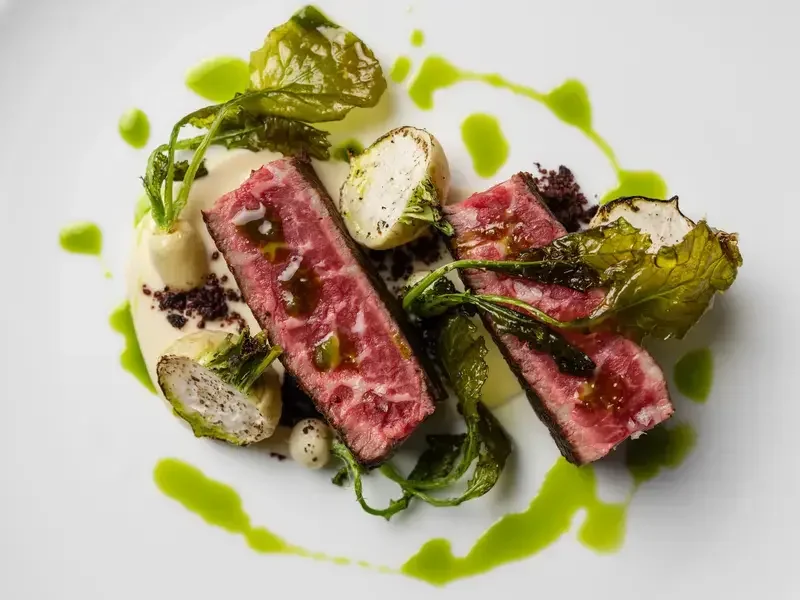
The Wagyu options at Turner's Cut, a luxurious steakhouse in Houston, outnumber the restaurant's other steak selections, but executive chef Pablo Peñalosa isn't steering guests toward them right away. Kobe beef, served in four- or six-ounce portions, is the crème de la crème at the restaurant, which specializes in premium meats from Japan, Australia, and the United States. But the pricey, world-renowned Wagyu variety can be "overwhelming," Peñalosa explained.
At $340, the 6-ounce Kobe ribeye is the most expensive item on the menu, even surpassing the Golden Osetra caviar. "The amount of Kobe you can eat is not a lot," said the chef.
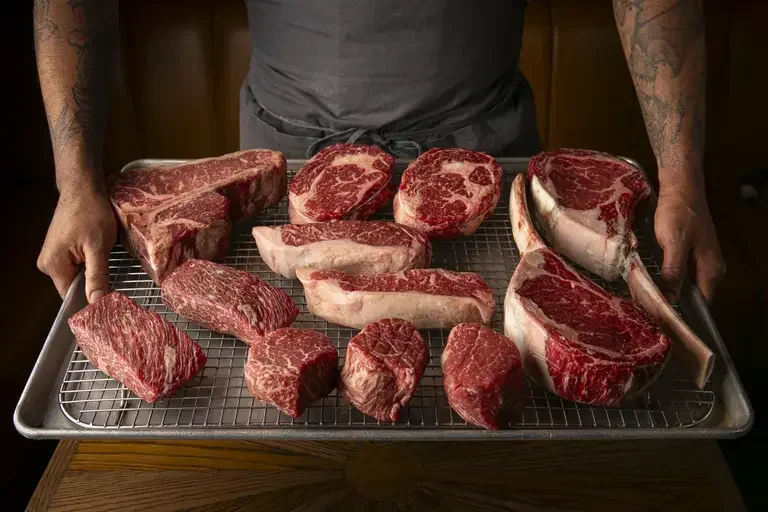
Along with dry-aged porterhouses and thick tomahawks, Wagyu has become emblematic of the modern high-end steakhouse. These steaks, some portioned for two or more people, also tend to command the highest prices, yet they are rarely top chefs' personal picks. The consensus seems to be that too much Wagyu, with its intense marbling, buttery flavor, and decadent richness, is not necessarily a good thing.
What Makes Wagyu Different?
Wagyu, which translates to "Japanese cow," refers to four Japanese cattle breeds renowned for their exceptional marbling and rich, buttery flavor.
While Japan continues to produce the world's most sought-after Wagyu, including regional specialties such as Kobe beef, a small number of live cattle and breeding genetics were legally exported to countries including the United States during the 1970s and 1990s. In 1997, Japan designated Wagyu a national treasure and effectively ended exports of live cattle and breeding genetics. Today's American and Australian Wagyu programs trace back to those earlier exports, helping explain why Wagyu now appears everywhere from fast-food burgers to premium steakhouse menus.
Unlike USDA Prime, Choice, and Select, which are quality grades assigned to American beef based primarily on marbling and the animal's maturity, Wagyu refers to the breed itself. Japanese Wagyu is then graded separately on a scale from A1 to A5, with A5 representing the highest combination of yield and quality, including marbling, color, texture, and fat quality. Those intensely marbled steaks are prized for their richness and are often served in small portions, a key reason many chefs prefer them as an occasional indulgence rather than an everyday steak.