Once a hidden gem of vegetarian cuisine, seitan is now front and center on the menus of high-end restaurants and innovative plant-based eateries. Whether grilled, braised, or pan-seared, it offers an umami depth and chewy texture that’s often compared to meat. But what exactly is seitan? How is it made, and how do chefs use it to create refined, flavorful dishes? In this guide, we explore the origins of seitan, its flavor profile, preparation methods, and what makes it a standout meat alternative.
What Is Seitan and Where Does It Come From?
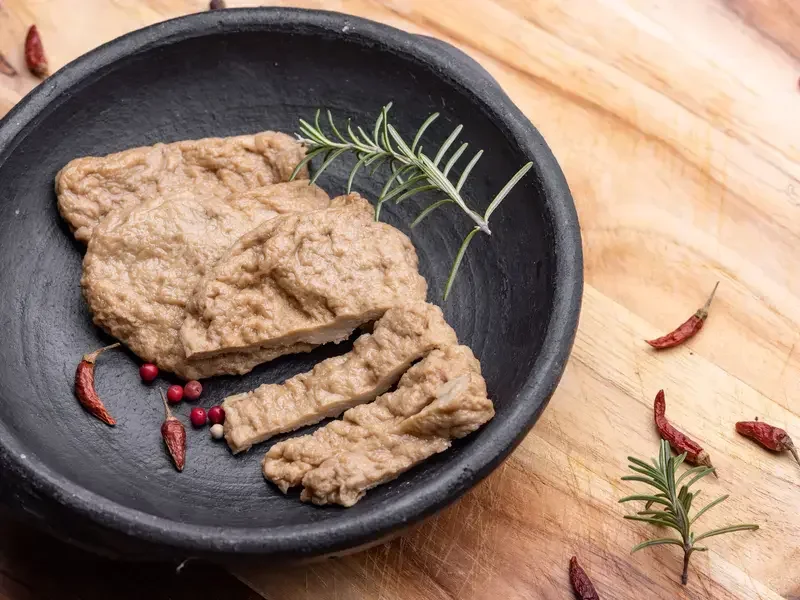
Seitan is a high-protein food made from wheat gluten—the main protein found in wheat. The name comes from Japanese, but its origins trace back to ancient China, where Buddhist monks developed it as a meat substitute.
For centuries, seitan has been a staple in East Asian cuisines, particularly in Buddhist cooking, which emphasizes plant-based ingredients. Today, it's embraced worldwide for its dense texture and ability to absorb marinades and flavors with ease.
While the word "seitan" was popularized in the 1960s by Japanese macrobiotic diet advocate George Ohsawa, the technique of washing flour dough to remove the starch and isolate gluten dates back over a thousand years.
What Is Seitan Made Of?
Seitan is made primarily from vital wheat gluten—a powder that becomes elastic and chewy when hydrated and cooked. When mixed with water and sometimes a bit of soy sauce, spices, or nutritional yeast, it forms a dough that can be steamed, boiled, baked, or simmered in broth.
Some variations include added legumes, flours, or seasonings to adjust the flavor and texture. The result is a high-protein, low-fat base that can mimic the mouthfeel of meats like chicken, pork, or beef, depending on how it’s prepared.
Because it's made from wheat, seitan is not gluten-free, making it unsuitable for those with celiac disease or gluten sensitivity. However, for many plant-based chefs, it’s a go-to protein for its adaptability and depth of flavor.
How Seitan Is Prepared in Professional Kitchens
In restaurant kitchens, how to cook seitan depends on the intended use. Its neutral base makes it a canvas for bold seasonings, sauces, and textures. Here are a few chef-favorite techniques.
- Steamed and sliced: perfect for deli-style sandwiches or charcuterie-inspired plates.
- Marinated and grilled: seitan takes well to smoky, spicy, or herbaceous marinades.
- Pan-seared with a crust: dredged in seasoned flour or cornstarch and seared until crispy.
- Braised in broth or sauce: for deeply savory dishes like bourguignon or ragù.
Seitan can also be shredded or crumbled to resemble ground meat, ideal for tacos, stews, or stir-fries. Because of its density, chefs often slice it thin for better flavor absorption and a more delicate bite.
What Does Seitan Taste Like? Texture and Flavor Explained
On its own, seitan has a mild, slightly savory taste with subtle yeasty notes. Its real strength lies in texture—firm, chewy, and dense, closely resembling cooked meat. This makes it a satisfying base for hearty entrées.
The flavor of seitan can be enhanced dramatically depending on the cooking method and seasonings. When simmered in broth, it takes on depth and umami. When grilled or seared, it develops a satisfying crust and bite.
Because it lacks the strong taste of soy-based alternatives like tempeh or tofu, seitan is particularly favored by chefs looking to layer complex flavors without interference. It’s often used in fine-dining dishes for this reason, offering structure and richness in vegan preparations.
Cooking Methods: From Searing to Braising
There are many ways to prepare seitan at home or in a professional setting, each bringing out different aspects of its character. Because seitan is made from gluten, its texture can be shaped and refined through cooking methods that range from simple to sophisticated. The choice of method can significantly alter the final dish’s mouthfeel, taste, and appearance—so choosing the right one is key.
Searing
Slice into cutlets or strips and pan-fry with oil, garlic, and fresh herbs until golden and crisp on the outside. This method is ideal for dishes like stir-fries, wraps, or served over grain bowls. A light dredge in flour or cornstarch before searing adds an extra crunch.
Grilling
Seitan's firm texture makes it suitable for grilling over open flame or on a grill pan. Brush generously with marinade or glaze, such as a miso-maple sauce or a smoky barbecue rub. Skewer with vegetables for kebabs or slice thick for “steaks.”
Steaming
This is the foundational step for homemade seitan. After forming the gluten dough, it's tightly wrapped and steamed for up to an hour. Steaming sets the structure and gives it a firm, chewy bite. Seasoning the dough before steaming allows flavors to infuse deeply.
Braising
Perhaps the most flavor-intensive approach. Simmer seitan slowly in a seasoned broth, red wine reduction, tomato-based sauce, or aromatic coconut curry. The protein soaks up the liquid, becoming tender and layered with flavor—perfect for comforting winter dishes.
Baking
Shape the seitan into roasts or nuggets, brush with oil or marinade, and bake until browned. Baking can firm up the exterior while keeping the center moist. It’s excellent for making vegan “deli meats” or centerpiece roasts.
Deep-frying
While less common in fine dining, this method yields crispy, satisfying results. Think seitan nuggets or vegan schnitzel—especially popular in street food or casual menus.
Each of these methods can be used alone or in combination (e.g., steam, then sear or braise), allowing chefs to build layered flavors and textures. Seitan is also a key ingredient in many popular vegan recipes, from hearty main courses to elevated street food. Its adaptability and satisfying chew make it one of the most effective meat alternatives for chefs seeking creativity without compromise.
Whether you’re exploring new plant-based ingredients or looking to perfect your next vegan dish, seitan delivers unmatched versatility and culinary appeal. With a little technique and a lot of flavor, this humble wheat protein can rise to gourmet heights.