Maintaining a sourdough starter means regularly removing a portion before feeding, and for many bakers, watching that discard go into the bin feels like a missed opportunity. The good news is that discard is far from useless. It brings a subtle tang, improves texture, and adds complexity to a surprising range of recipes, both sweet and savory. Learning how to use discard transforms what might feel like a wasteful routine into a source of delicious, creative cooking.
Below is a practical guide to sourdough discard: what it actually is, how to store it properly, recipes that showcase its potential, and how to build a more sustainable sourdough practice.
What Is Sourdough Discard?
Discard is the portion of starter removed before each feeding, something you learn about when making sourdough starter from scratch. When you maintain a sourdough starter, you periodically add fresh flour and water to keep the wild yeast and bacteria active and healthy. Without removing some sourdough starter first, the quantity would grow too large, and the culture would eventually weaken from lack of fresh food.
The removed portion, the discard, contains the same flour, water, yeast, and lactic acid bacteria as your active starter, but it has not been freshly fed. This means it lacks the rising power needed to leaven a traditional sourdough loaf. However, it still contributes flavor, acidity, and enzymatic activity that can benefit other recipes.
Discard can be used immediately after removal or accumulated over time. Its flavor profile depends on how long it's been since the starter was last fed. Recently fed discard tastes milder, while hungry, unfed discard develops a more pronounced sour tang.
How to Store Sourdough Discard
Proper storage keeps discard fresh and ready to use whenever inspiration strikes.
- Short-term storage: Discard can sit at room temperature for a day or two if you plan to use it soon. Cover the container loosely to prevent drying out. Be aware that it will continue to ferment, becoming more sour over time.
- Refrigerator storage: For longer keeping, store discard in a sealed container in the refrigerator. Cold temperatures slow fermentation dramatically, and refrigerated discard remains usable for up to a week, sometimes longer. It may develop a layer of liquid on top (hooch), which can be stirred back in or poured off, depending on how sour you want the final product to be.
- Accumulating discard: Many bakers keep a dedicated discard jar in the refrigerator, adding to it each time they feed their starter. Simply stir the new discard into the existing collection.
- Freezing discard: For even longer storage, discard freezes well. Portion it into ice cube trays or small containers, freeze solid, then transfer to a freezer bag. Thaw overnight in the refrigerator before using. Frozen discard keeps for several months, though flavor may diminish slightly over time.
Sweet Recipes with Sourdough Discard
Discard brings a subtle complexity to sweet baked goods, balancing sugar with gentle acidity and contributing to tender, flavorful results.
Sourdough Discard Pancakes
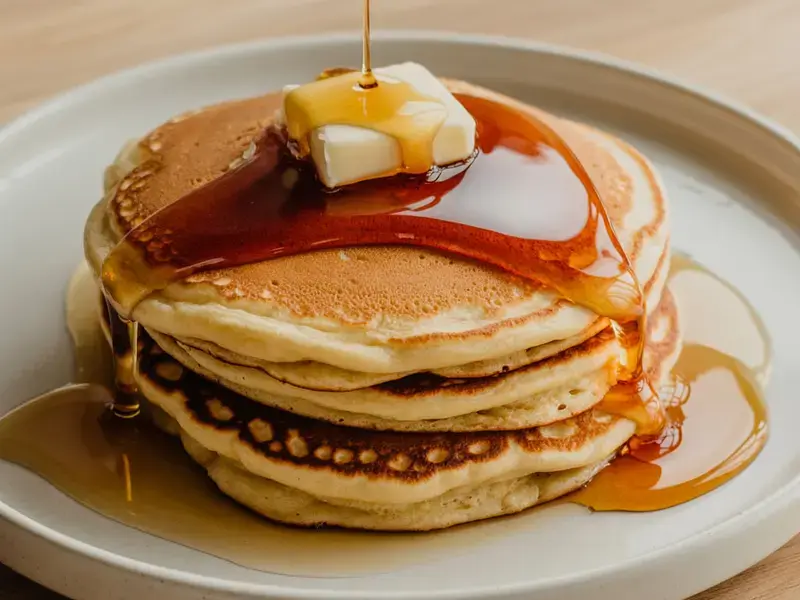
Pancakes are the most popular use for discard. The discard adds tang that complements maple syrup beautifully. A basic discard pancake batter combines discard with flour, milk, egg, a little sugar, melted butter, baking powder, and baking soda. The baking soda reacts with the discard's acidity, producing extra lift and creating fluffy pancakes with a distinctive flavor that plain batters cannot match.
Waffles follow the same principle, with a slightly adjusted ratio for crispier edges. Both freeze well, making weekend batch cooking a practical option for busy mornings.
Sourdough Discard Cookies
Adding discard to cookie dough creates cookies with depth and a subtly tangy undertone that makes the sweetness more interesting. Chocolate chip cookies benefit particularly well. Replace a portion of the flour in your favorite recipe with discard, adjusting the liquid slightly if the dough seems too wet.
Snickerdoodles, with their cinnamon-sugar coating, pair naturally with sourdough's tanginess. The contrast between the sweet exterior and slightly sour interior makes each bite an exciting one. Oatmeal cookies, peanut butter cookies, and sugar cookies all adapt well to discard additions.
Savory Recipes with Sourdough Discard
Savory applications showcase the discard's tangy character most directly, with results that feel intentional and sophisticated rather than like waste reduction.
Sourdough Discard Crackers
Homemade crackers are one of the simplest uses for discard. The basic formula combines discard with olive oil, salt, and seasonings such as bagel spices, rosemary and sea salt, cracked black pepper, or parmesan and herbs. Sourdough crackers develop a cheese-like tang that pairs naturally with actual cheese, dips, spreads, and charcuterie. They keep well in an airtight container for a week or more, making them ideal for batch preparation.
Sourdough Discard Bagels
Bagel sourdough discard recipes are more complicated, but sourdough discard produces chewy, flavorful, and satisfying bagels. The discard contributes tang and strengthens gluten development, creating the dense, chewy texture that defines a proper bagel. Combined with bread flour, salt, malt syrup, and a small amount of yeast for a reliable rise, the discard becomes the foundation for flavorful bagels.
Reducing Waste in Sourdough Baking
Using discard is the most direct way to minimize waste, but a few additional strategies help build a truly sustainable sourdough practice.
- Maintain a smaller starter: You do not need a large quantity of starter unless you bake frequently at scale. Reducing your starter size means less discard at each feeding.
- Feed less frequently: A starter stored in the refrigerator needs feeding only once a week or so, dramatically reducing discard production. When you want to bake, bring the starter to room temperature and feed it a day or two before you need it.
- Plan baking around feeding: Time your bread baking to use an active starter when it peaks, minimizing the discard created between bakes.
- Share discard: Friends interested in starting their own sourdough journey appreciate discard as a gift. A portion of established discard can become someone else's thriving starter with the proper feeding.
- Compost what you cannot use: When discard accumulates beyond what you can reasonably use, composting returns it to the earth.
Understanding what to do with sourdough discard means using it more effectively. With a collection of reliable sourdough discard recipes and thoughtful storage practices, every feeding becomes a chance to create something delicious.