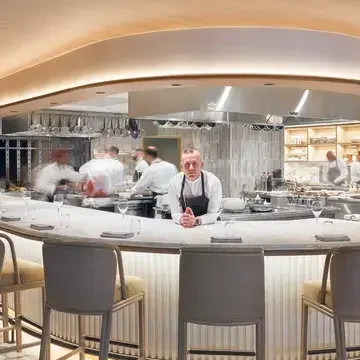
Most restaurant groups are built around chefs. Altamarea Group is built around you.
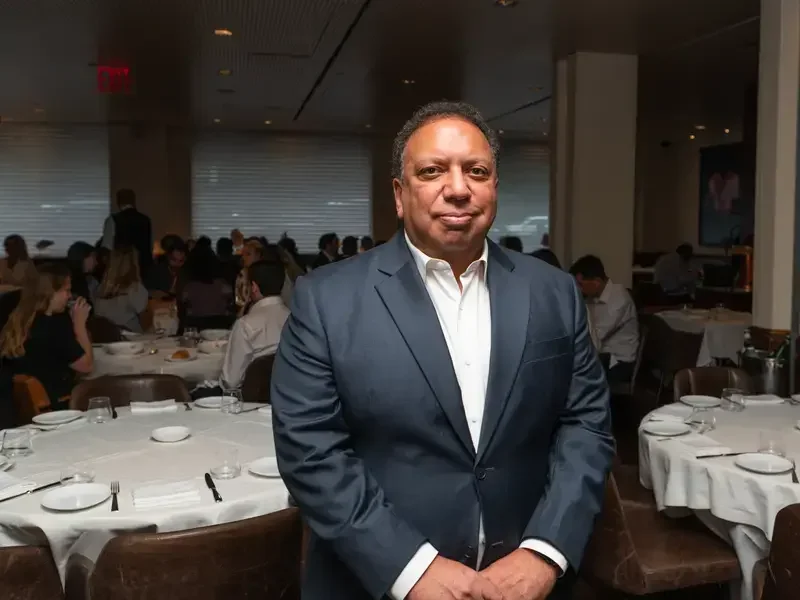
That distinction defines how the company operates across more than 25 restaurants worldwide, and how founder and CEO Ahmass Fakahany, a former Wall Street executive, approaches hospitality as a system rather than a stage.
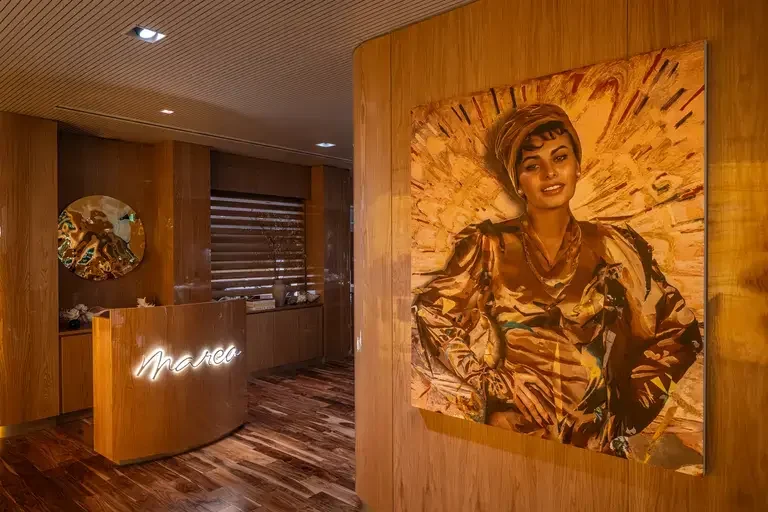
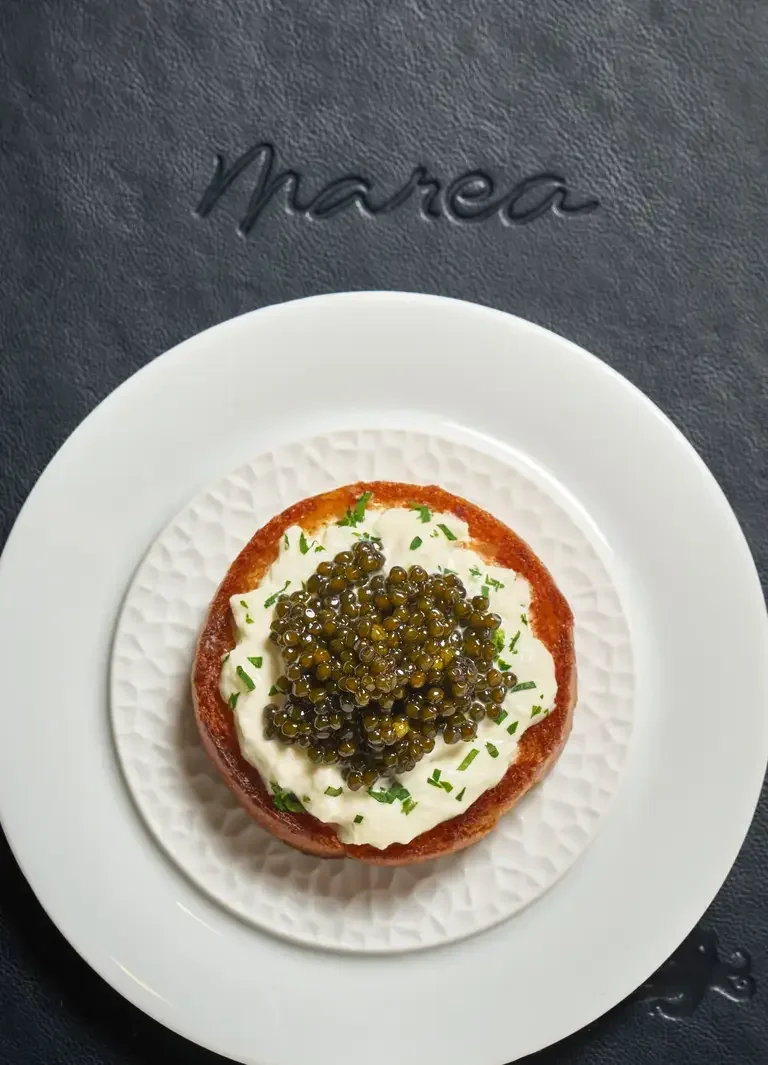
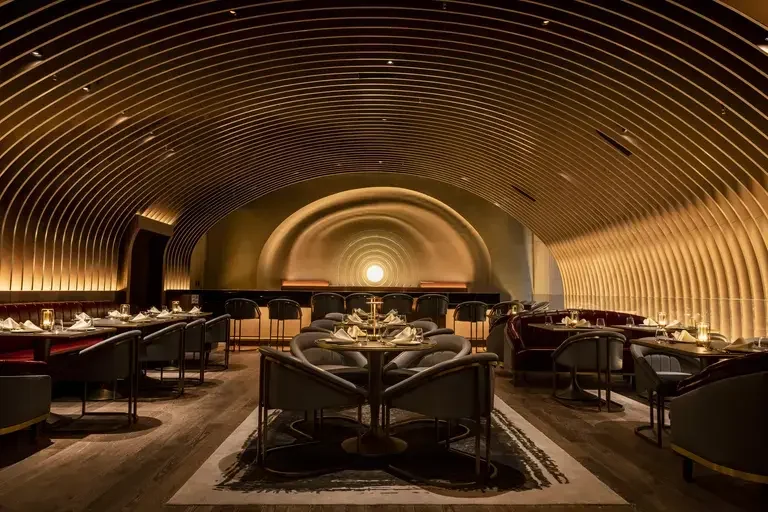
Since opening Marea in New York in 2009, Altamarea Group has expanded across the United States, the Middle East, and beyond, with flagship concepts including Marea, Ai Fiori, and 53. Along the way, the group has earned recognition from the Michelin Guide, the James Beard Foundation, and the World’s 50 Best Restaurants, while extending its reach into markets such as Dubai, Riyadh, and Mumbai through its global arm, Atelier House Hospitality.
“We’re not in the business of food and beverage,” he says. “We’re in the business of memories.”
In an industry long driven by culinary authorship, Fakahany is betting on something else entirely: that the future of dining belongs to those who know the client as well as they know the kitchen.
Fakahany did not come up through kitchens. Before launching Altamarea in 2009 with Marea in New York, he spent two decades at Merrill Lynch, eventually serving as president. The pivot into hospitality was not a mid-career experiment so much as a return to something that had been there all along.
As a teenager, he was less interested in swimming pools than in how hotels functioned. He watched how guests were greeted, how staff moved through a room, how service was structured behind the scenes. “I wouldn’t go jump in the pool,” he recalls. “I would look at check-in at hotels. How did it happen? Where did they stay? How do the employees eat?”
That perspective shapes how Altamarea operates today. Where many restaurant groups are built around chefs and their point of view, Fakahany sees the business differently. “The whole thing in the last 15 years has been chef-driven,” he says. “That is product push. I’m a born believer in demand pull.”
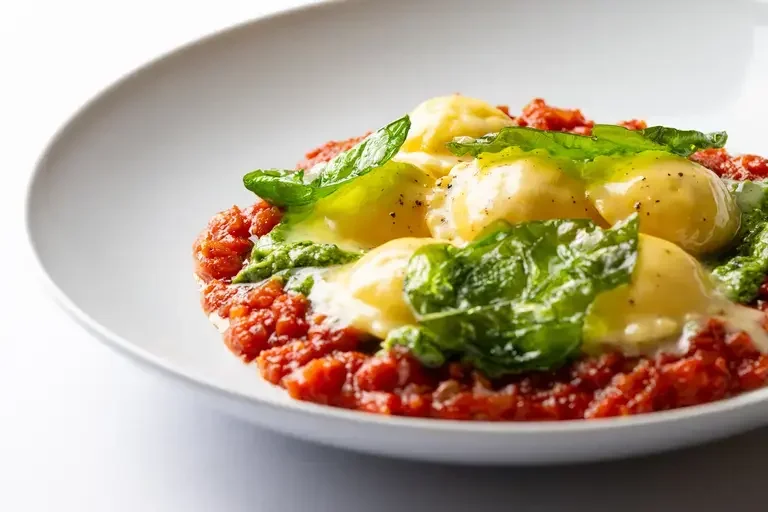
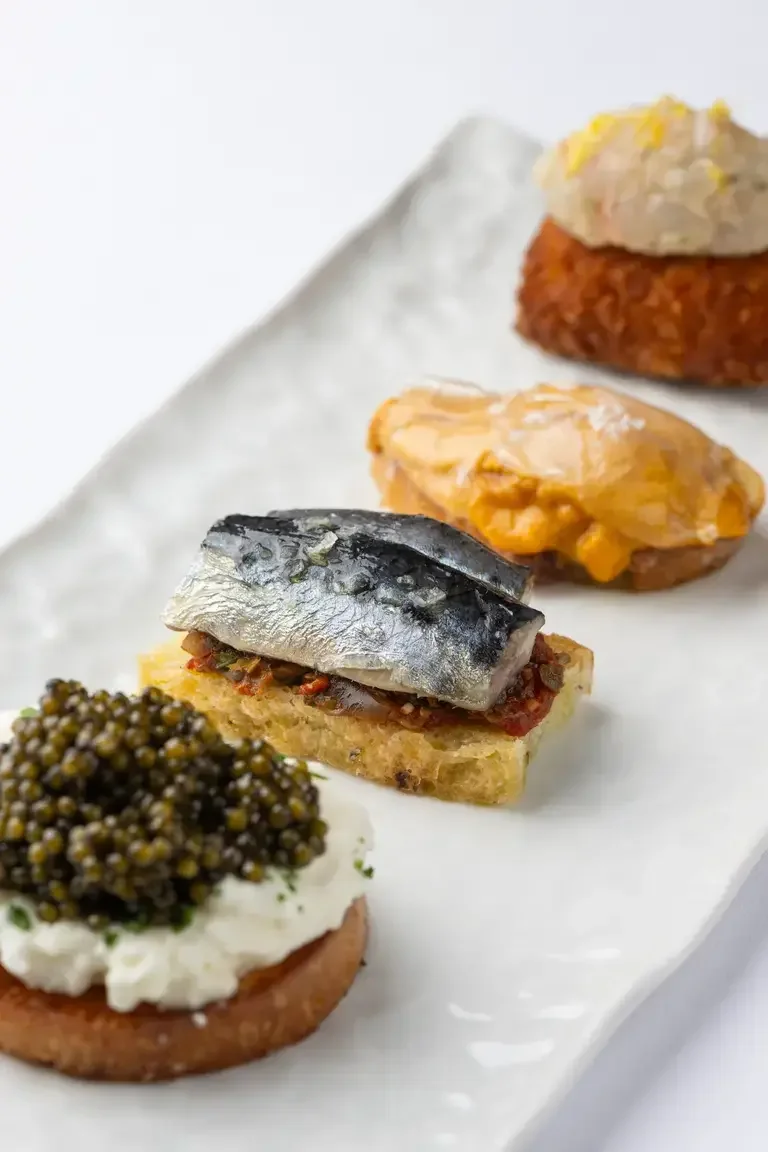
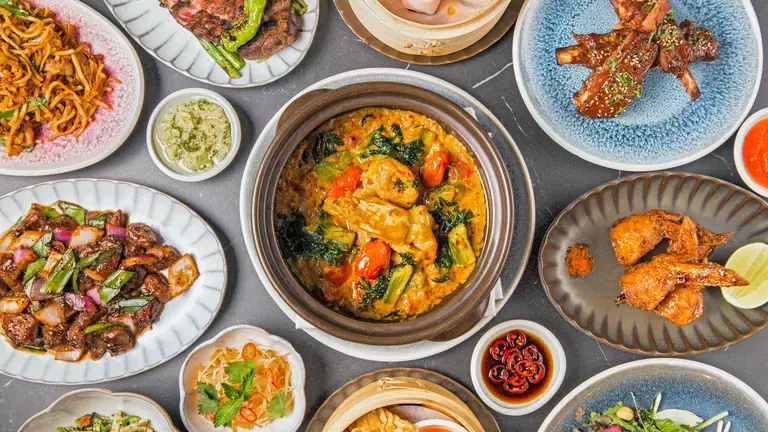
In practice, that means designing restaurants around how people actually want to eat, not just what a kitchen wants to serve. It shows up in smaller plates built for sharing, menus that feel familiar rather than conceptual, and a dining experience that adapts to the guest rather than asking the guest to adapt to it.
Fakahany refers to this approach as a “client firm,” a term borrowed more from finance than hospitality. The idea is simple in theory and complex in execution: understand the guest deeply, remember them across visits and locations, and build systems that make that knowledge actionable.
Technology plays a central role. Reservation platforms and CRM tools allow Altamarea to track preferences and flag returning guests across locations. A diner who walks into Marea in New York can sit down in Aspen or Dubai and find that nothing has been forgotten.
But the system only works if it remains human. Fakahany is quick to point out that data is a tool, not the experience itself. What matters is how that information is used in the room, in real time, by people who can truly read a table.
“You have to really like people,” he says. “You need to still get the thrill of seeing someone meet their future partner in a restaurant, or close a deal, or reconnect with family.”
It is here that Altamarea’s model walks a fine line. The more sophisticated the system becomes, the more important it is that it doesn't feel like one.