
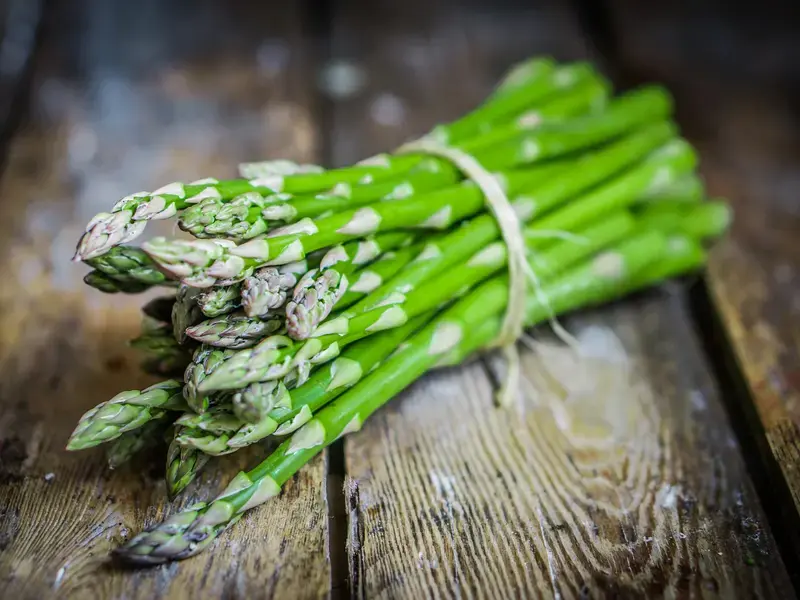
Whether you’re composing a minimalist vegetable course, preparing a base for vinaigrette-dressed salads, or par-cooking for freezing, blanching is the essential step to get right. This guide explores what blanching means, why it's crucial for asparagus, and how to execute the process precisely for professional-grade results.
What Does Blanching Mean in Cooking?
Blanching is a cooking technique in which ingredients—typically vegetables—are briefly boiled and then rapidly cooled in ice water. The method is used to set color, soften texture slightly, and halt enzymatic activity that leads to spoilage.
Unlike boiling, blanching is not meant to cook the vegetable fully. Instead, it preserves visual appeal and enhances texture, especially in delicate produce like asparagus. Blanching also makes vegetables easier to peel (e.g., tomatoes or almonds) or freeze (as in the case of many spring greens).
Why Blanch Asparagus? Technique and Purpose
Asparagus benefits uniquely from blanching because of its:
- Color: the shock of heat fixes the bright green chlorophyll.
- Texture: blanched asparagus is tender yet crisp—not mushy.
- Flavor: removes raw bitterness and enhances vegetal sweetness.
- Storage: essential prep for freezing or finishing later.
Professional kitchens often blanch asparagus ahead of service to streamline plating. It also provides the perfect canvas for sauces, garnishes, and additional cooking methods like grilling or sautéing.
For more on seasonal asparagus preparation, see our guide to six asparagus varieties and how to cook them.
Step-by-Step: How to Blanch Asparagus
Blanching requires attention to detail, but the process itself is simple.
- Prepare the asparagus: Rinse thoroughly. Snap off woody ends or trim with a knife. Peel thick stalks if desired.
- Boil water generously salted: Use 4–5 liters of water per bundle of asparagus. Salt should resemble the salinity of seawater.
- Set up an ice bath: Fill a large bowl with cold water and plenty of ice.
- Blanch: Add asparagus to boiling water. Boil uncovered to preserve color.
- Test for doneness: Spears should be just tender when pierced with a knife but still firm.
- Shock in ice water: Immediately transfer to the ice bath to halt cooking.
- Drain and dry: Lay on a clean towel or paper-lined tray to remove excess moisture.
Blanching prepares asparagus for immediate serving, secondary cooking, or freezing. The latter is especially relevant when preserving seasonal produce—see our guide on how to freeze vegetables.
Blanching Times by Asparagus Size and Thickness
Different thicknesses require slightly adjusted blanching times.
- Thin spears (pencil-width): 1–1.5 minutes
- Medium spears: 2–2.5 minutes
- Thick spears: 3–4 minutes
Always err on the side of undercooked, especially if you plan to finish the asparagus on the grill, in a pan, or under a broiler. Overcooked asparagus loses its color quickly and becomes limp.
A good rule of thumb: the asparagus should still resist slightly when bent but not snap.
What to Do After Blanching: Cooling and Drying
The cold shock from the ice bath is critical—but so is the drying process. Improper drying can dilute sauces, affect sautéing, or cause freezer burn if you’re storing the asparagus.
For service
- Pat dry completely before plating or reheating.
- Trim and portion as needed.
For freezing
- After drying, spread in a single layer on a tray.
- Freeze until solid, then transfer to airtight containers or vacuum-sealed bags.
This ensures your blanched asparagus remains flavorful, visually appealing, and texture-perfect whether served cold or re-cooked.
How to Use Blanched Asparagus in Dishes
Blanched asparagus is a blank canvas for creativity and refinement. Here’s how to feature it in your repertoire:
- Chilled asparagus salad with lemon vinaigrette and poached egg.
- Wrapped in prosciutto and served with a balsamic reduction.
- Grilled asparagus spears topped with herbed aioli.
- Asparagus velouté: blanch, purée with stock, and finish with cream.
- In composed spring dishes with morels, peas, and ricotta.
- Garnish for poached fish or sous-vide chicken.
For more serving inspiration, explore these asparagus food pairing ideas and recipes.
With the right technique, blanched asparagus brings vibrant flavor, refined texture, and a seasonal touch to elegant plates and fresh preparations alike.