For those who didn't grow up using chopsticks, learning the physical skill is only part of the challenge. Equally important is understanding the etiquette that surrounds them. What seems like a simple pair of sticks comes with unwritten rules that vary across cultures and carry meanings that go beyond table manners. Knowing the chopsticks rules helps you navigate meals with confidence, avoid unintentional offense, and show appreciation for the traditions behind the food you are eating.
Below is a practical guide to chopstick etiquette: why it matters, the essential rules to follow, common mistakes to avoid, and how customs differ across countries.
Why Chopstick Etiquette Matters
Originating in China and spreading throughout East Asia, chopsticks have been used for thousands of years. Over that time, they have accumulated layers of cultural meaning beyond their function as eating tools.
In many Asian cultures, how you handle chopsticks reflects your upbringing, education, and respect for those around you. Poor chopstick manners can signal carelessness or ignorance, while proper technique demonstrates thoughtfulness and cultural awareness. At formal meals, business dinners, or when dining with elders, these details carry real weight.
Some chopstick taboos are rooted in religious and funerary practices. Understanding these connections helps explain why certain behaviors provoke strong reactions, even when the offense is unintentional. Etiquette also serves practical purposes and has a functional logic underneath.
Basic Chopstick Rules to Know
Mastering a few fundamental rules covers most dining situations and helps you feel comfortable at the table.
How to Hold Chopsticks Correctly
Proper grip is the foundation of both skill and etiquette. The correct technique allows precise control and looks natural and relaxed.
- Rest the lower chopstick in the crook between your thumb and index finger, with the tip of your ring finger supporting it from below. This chopstick stays stationary.
- Grip the upper chopstick between the tips of your thumb, index finger, and middle finger, similar to holding a pen. This is the chopstick that moves.
- When picking up food, only move the upper chopstick. The lower chopstick remains still, acting as a stable base.
- Avoid large, exaggerated motions. Skilled chopstick users make small, precise movements that appear effortless.
Holding chopsticks too high toward the ends suggests unfamiliarity, while gripping them too low near the tips limits control. Aim for a comfortable position roughly one-third of the way down from the top.
Where to Place Chopsticks When Not in Use
When you pause during a meal or finish eating, where you put your chopsticks matters.
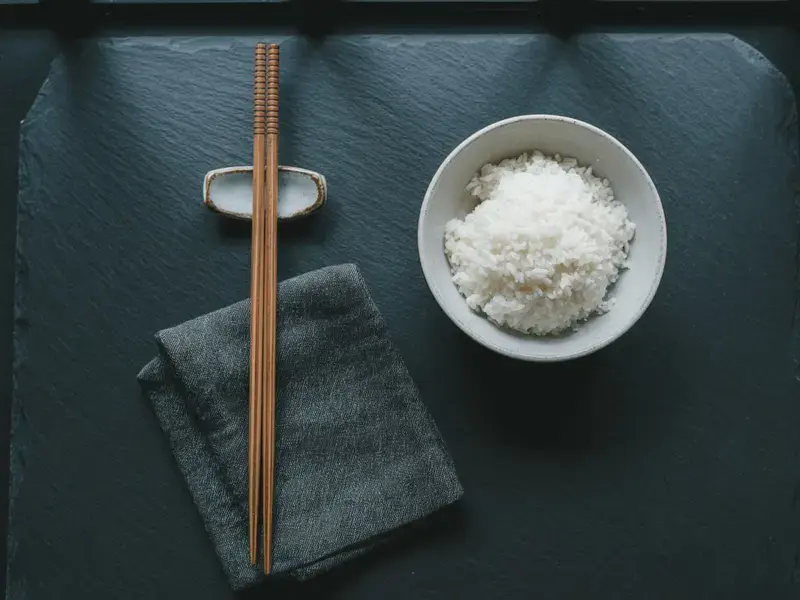
- Use a chopstick rest: Place your chopsticks on the rest with the tips pointing left (for right-handed diners). Doing so keeps them clean and off the table surface.
- Lay them across your bowl or plate: When no rest is available, place chopsticks horizontally across the edge of your bowl or plate.
- Never leave them sticking up in food: This is one of the most serious taboos.
- At the end of the meal: In some cultures, placing chopsticks parallel across your bowl signals that you have finished eating. In formal Japanese settings, returning chopsticks to their paper wrapper is customary.
Common Chopstick Mistakes
Even experienced chopstick users occasionally make errors. Knowing what to avoid prevents awkward moments and shows cultural sensitivity.
Is It Rude to Rub Chopsticks Together?
Rubbing wooden chopsticks together to remove splinters is a common habit, particularly with disposable chopsticks at casual restaurants. However, this gesture can be considered rude. Rubbing chopsticks implies that you think they are cheap or of poor quality. Essentially, you're criticizing the establishment's standards.
Modern disposable chopsticks are generally smooth and rarely have splinters. If you do encounter a rough pair, discreetly smooth any problem areas rather than rubbing them together conspicuously. Better yet, simply use them as they are unless there is a genuine issue.
Why You Should Never Stick Chopsticks in Food
If you're wondering is it rude to leave your chopsticks in food, the answer is yes. Standing chopsticks upright in a bowl of rice is one of the most serious breaches of chopstick etiquette. The reason is deeply cultural, as this position resembles incense sticks placed in rice as offerings to the deceased at Buddhist funerals and at ancestral altars.
A related no-no involves passing food directly from chopstick to chopstick. This action mirrors a Japanese funeral ritual where family members pass cremated bones between chopsticks. If you need to share food, place it on the other person's plate rather than transferring it directly. Use the ends of your chopsticks that have not touched your mouth if serving from a communal dish, and no serving utensils have been provided.
Chopstick Etiquette Across Different Cultures
While chopsticks are used throughout East Asia, etiquette varies by country. What is acceptable in one culture may be frowned upon in another.
- China: Chinese chopsticks are typically longer and often made of wood, bamboo, or plastic. It's acceptable to lift your rice bowl close to your mouth and push rice in with chopsticks. Communal dishes are common, and using your own chopsticks to take food from shared plates is acceptable.
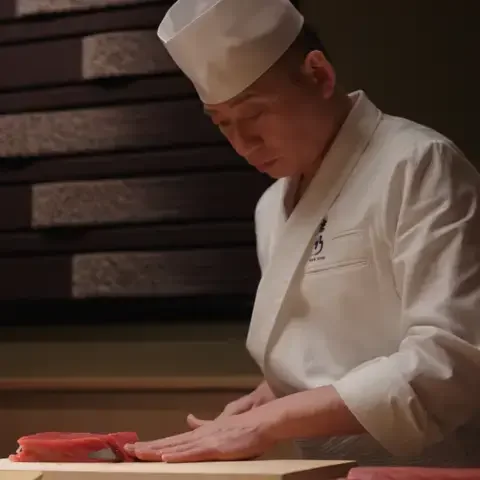
- Japan: Japanese chopsticks are shorter with pointed tips, suited for picking up fish and delicate items, making it easier to eat difficult food like sushi. Chopstick etiquette in Japan is particularly refined. Resting chopsticks across your bowl during a meal can signal that you are finished, so use a chopstick rest when available. Never pass food from your chopsticks to another's chopsticks, and avoid gesturing or pointing with chopsticks.
- Korea: Korean meals traditionally include a spoon for rice and soup, with metal chopsticks used primarily for side dishes. Korean chopsticks are flat and often made from stainless steel, which can be slippery for beginners. It is polite to wait for elders to begin eating before you start, and to keep pace with them throughout the meal.
- Vietnam: Vietnamese chopsticks are similar to Chinese ones, long and made of bamboo or wood. Placing chopsticks in a V-shape on the table is considered bad luck.
Understanding these variations shows respect for specific traditions rather than treating all chopstick cultures as identical. When dining in an unfamiliar context, observing how others handle their chopsticks provides useful guidance.
Chopstick etiquette is ultimately about awareness of your actions, respect for your hosts, and appreciation for the cultural history embedded in everyday rituals. Learning chopsticks rules helps you eat with confidence and grace, turning a simple meal into an opportunity for connection and understanding.