From tender pancakes to crisp fried chicken, it adds acidity and flavor that transform ordinary dishes into something exceptional. But if you’ve run out—or simply prefer a dairy-free option—there are several elegant ways to create a buttermilk substitute that delivers the same balance of tang and texture.
What Is Buttermilk Used For?
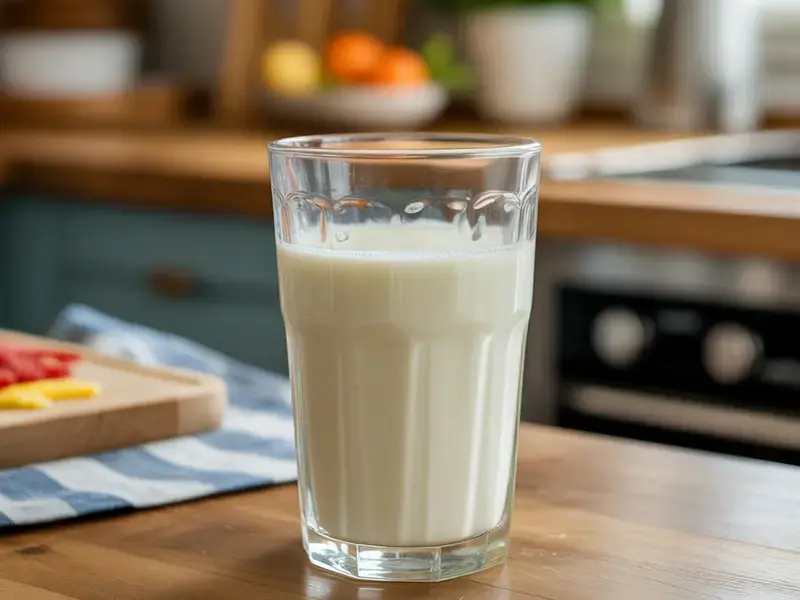
Traditionally, buttermilk was the liquid left behind after churning butter from cultured cream. Today, most commercial versions are made by fermenting milk with lactic acid bacteria, giving it a mild tang and thickened consistency.
Its role in cooking goes beyond flavor:
- In baking, the acidity reacts with baking soda to create lift and lightness, producing fluffy cakes, muffins, and biscuits.
- In marinades, it tenderizes meat and poultry while adding subtle creaminess.
- In dressings and sauces, it provides a bright, tangy contrast that enhances herbs, spices, and vegetables.
Knowing how to make a buttermilk substitute helps you preserve these qualities even when traditional buttermilk isn’t available.
Best Liquid Substitutes (Dairy and Non-Dairy)
When replacing buttermilk, the goal is to replicate its acidity and thickness. Here are the most reliable buttermilk replacements for every kitchen:
1. Milk and acid (classic substitute)
- Combine 1 cup of milk with 1 tablespoon of lemon juice or white vinegar.
- Let it sit for 5–10 minutes until it slightly curdles.
This is the simplest and most faithful alternative, ideal for baking and marinades alike.
2. Yogurt and milk
- Mix ¾ cup plain yogurt with ¼ cup milk or water to achieve the right consistency.
This option mimics buttermilk’s tanginess and works beautifully in pancakes or muffins.
3. Sour cream and milk
- Blend ½ cup sour cream with ½ cup milk.
Slightly richer than buttermilk, this substitute lends luscious texture to cakes and quick breads.
4. Kefir
- Use plain kefir in equal proportions to buttermilk.
As a naturally fermented drink, kefir delivers authentic tang and body, perfect for dressings or batters.
5. Non-dairy options
For a vegan or lactose-free alternative:
- Mix almond, soy, or oat milk with a teaspoon of lemon juice or apple cider vinegar.
- Let it rest to curdle slightly before use.
These plant-based substitutes replicate buttermilk’s acidity while keeping recipes fully dairy-free.
Each of these replacements ensures your recipes retain their moisture, lift, and characteristic hint of tang.
Buttermilk in Baking vs Cooking
The choice of buttermilk substitute depends on the dish.
In baking
Acidity is essential. It activates leavening agents like baking soda, ensuring a light, airy crumb. When using substitutes, maintain the same ratio of liquid to dry ingredients and avoid overmixing, which can make baked goods dense.
- Ideal for: cakes, biscuits, pancakes, cornbread.
In savory cooking
Buttermilk’s gentle acidity tenderizes proteins and adds creaminess to sauces without heaviness.
- Perfect for: fried chicken marinades, creamy dressings, and mashed potatoes.
For example, in a fried chicken marinade, combining milk and lemon juice replicates the tenderizing effect of buttermilk. In mashed potatoes, a splash of homemade buttermilk adds brightness that balances butter or cream.
Understanding how acidity behaves in different contexts allows chefs to adapt creatively without sacrificing flavor or texture.
Homemade Buttermilk Alternatives
Learning how to make buttermilk at home ensures you always have the ingredient on hand—fresh and tailored to your recipe.
Basic homemade buttermilk recipe:
- Pour 1 cup of whole milk (or plant-based milk) into a bowl.
- Add 1 tablespoon of lemon juice or white vinegar.
- Stir gently and let it rest for about 10 minutes at room temperature.
- When the mixture thickens slightly and looks curdled, it’s ready to use.
For a richer flavor, use cultured dairy products like yogurt, sour cream, or kefir, adjusting thickness with water as needed. These versions not only mimic buttermilk’s chemistry but also add unique flavor nuances that enhance both sweet and savory preparations.
If you’re frequently baking, try fermenting your own buttermilk by adding a tablespoon of live-culture yogurt or kefir to milk and letting it sit overnight. This creates a mildly tangy liquid similar to the traditional churned kind—ideal for cooks who appreciate fermented foods and the depth they bring to the table.
Whether drizzled into biscuit dough or whisked into salad dressing, buttermilk brings a subtle tang that defines countless classics. And with these smart buttermilk substitutes, you can recreate its magic anytime—proof that a touch of acidity and imagination can elevate even the simplest dish into something truly refined.