400ml water
1 tsp salt
1 tbsp vegetable oil for the dough
300g pre-cooked white cornflour
Vegetable oil for frying
FOR THE FILLING
300g sundried tomatoes
Extra virgin olive oil
30g almonds
5 capers
50g ricotta
Salt
Pepper
1 avocado
Juice of half a lemon or lime
150g burrata
Mint leaves
Arepas are much more than just a flatbread: they are one of the most recognisable symbols of Venezuelan and Colombian cuisine. These soft discs are made from pre-cooked cornflour, water and salt, cooked on a griddle, in the oven or deep-fried. Once ready, arepas are opened up and filled in various ways, making them an extremely versatile dish, halfway between bread and a full meal.
Arepas’ origins date back to pre-Spanish colonisation. The indigenous peoples of the area now comprising Venezuela and Colombia were already processing maize to make similar doughs, which were then cooked on hot stones. The term ‘arepa’ itself seems to derive from ‘erepa’, an indigenous word referring specifically to cornbread. Over time, the preparation has evolved, particularly in the 20th century, thanks to the widespread use of pre-cooked cornflour, which has made arepas more accessible.
Today, Venezuelan arepas are a feature of everyday life for many. They are eaten for breakfast, often with butter and fresh cheese, but also for lunch and dinner in more substantial versions. Among the most iconic variations are the reina pepiada, stuffed with chicken and avocado, and the pelúa, with shredded meat and cheese.
As is often the case with traditional regional dishes, arepas have travelled outside of Latin America, becoming a staple of international cuisine. In cities such as Miami, they have become a fixture of the local culinary scene, featuring in both street food and contemporary dining. Here, traditional recipes coexist with more modern interpretations that incorporate local ingredients and unexpected combinations.
The culinary appeal of arepas lies precisely in their simplicity and versatility. They have a basic structure that acts as a neutral canvas, capable of accommodating different ingredients and complex flavour combinations. It is this mix of tradition and versatility that makes them an increasingly interesting dish for contemporary cuisine.
Pour the water, salt and oil into a large bowl. Stir well to dissolve the salt.
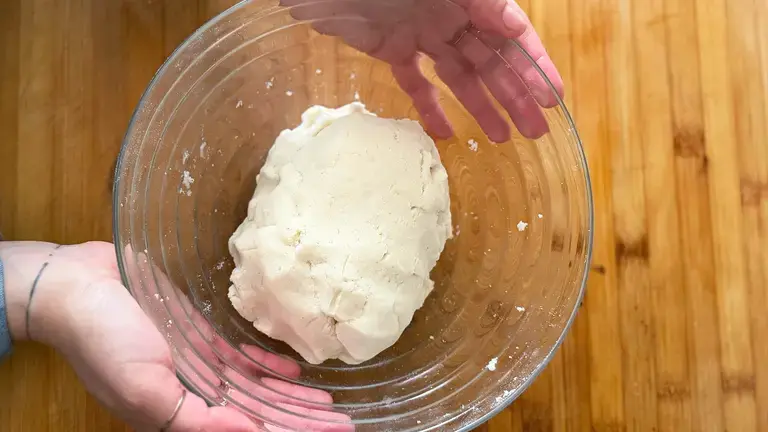
Now add the flour a little at a time, mixing with a spoon or your fingertips to combine all the ingredients thoroughly. When the dough is soft but firm, cover with cling film and leave to rest for 5 minutes.
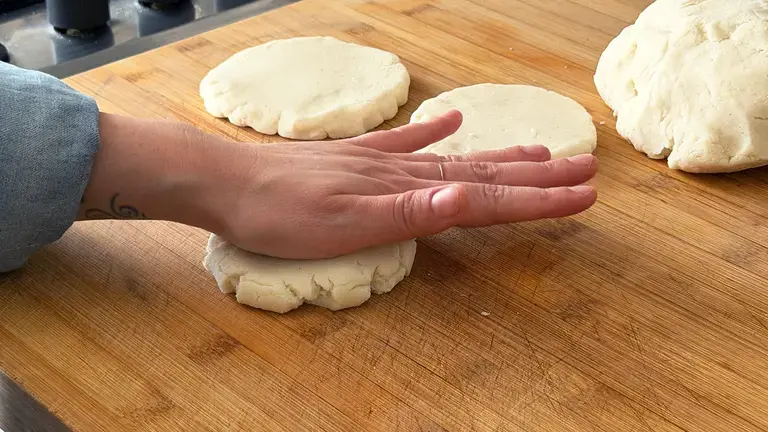
Take the dough and divide it into small balls according to the desired size. Flatten the balls with your hands to form small discs 1–1.5 cm thick.
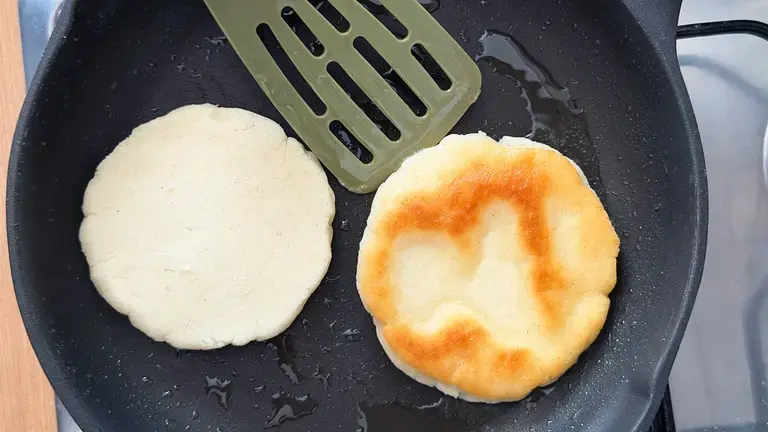
Heat a non-stick frying pan lightly greased with oil and, when it is hot, place the dough discs in the pan.
Cook the arepas over a medium heat for 3–4 minutes on each side until golden brown.
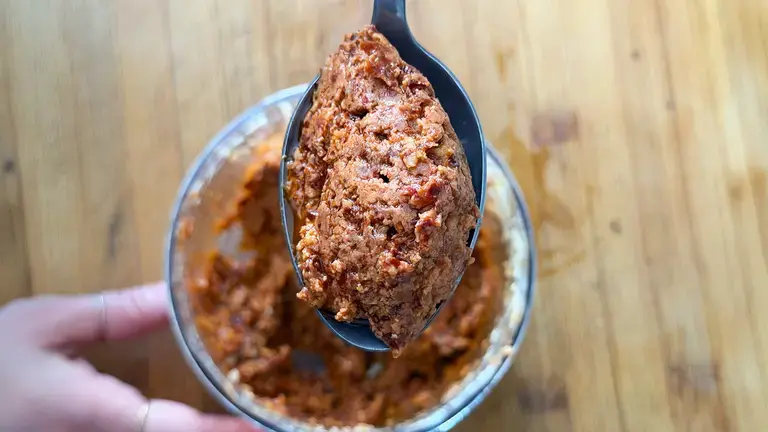
Prepare the red pesto by combining the sundried tomatoes, extra virgin olive oil, almonds, a few capers and the ricotta. Blend until roughly combined, then season with salt and pepper. If desired, add a little chilli.
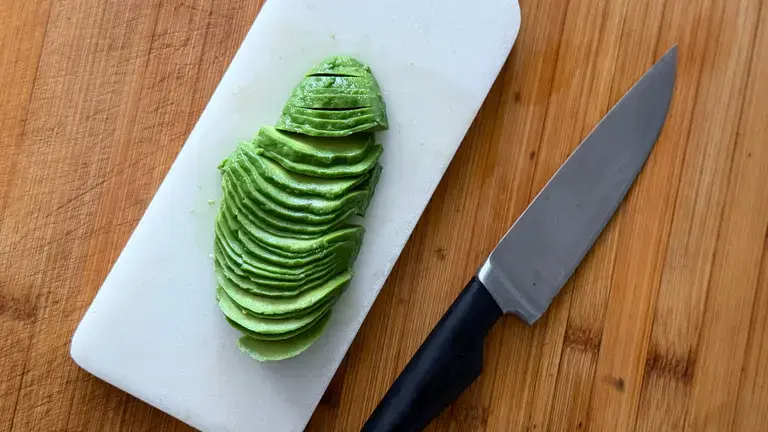
Slice the avocado and drizzle with a little lime or lemon juice to prevent it from turning brown. Tear the burrata apart with your hands.
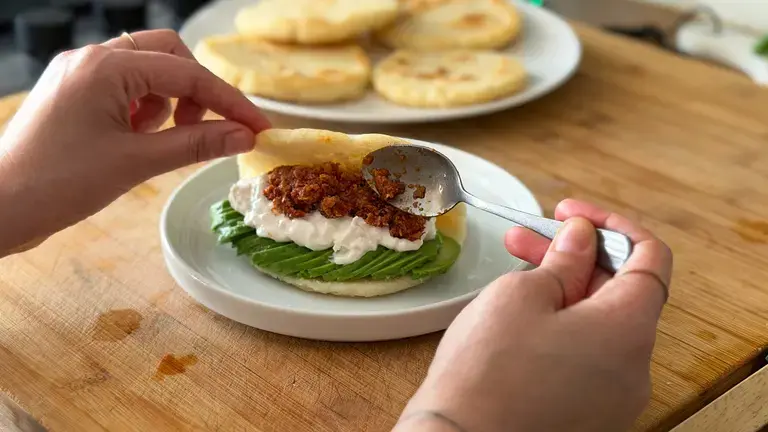
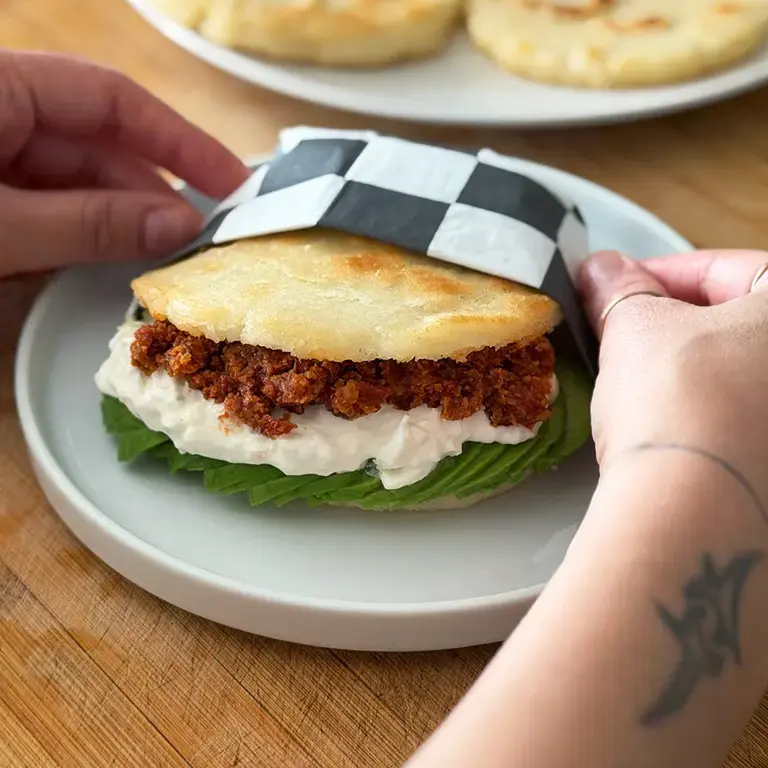
Cut the arepas in half, leaving one end of the disc intact. Fill with avocado, burrata and red pesto, then serve.