
To bring a desirable chewy texture and tangy flavor to your cookies from the sourdough starter discard, make sure you’ve followed all the key tips and tricks to make the best starter at home first. When mixing a starter from scratch, there’s lots to consider to get the balance of the flavors right, including regular feeding and maintenance.
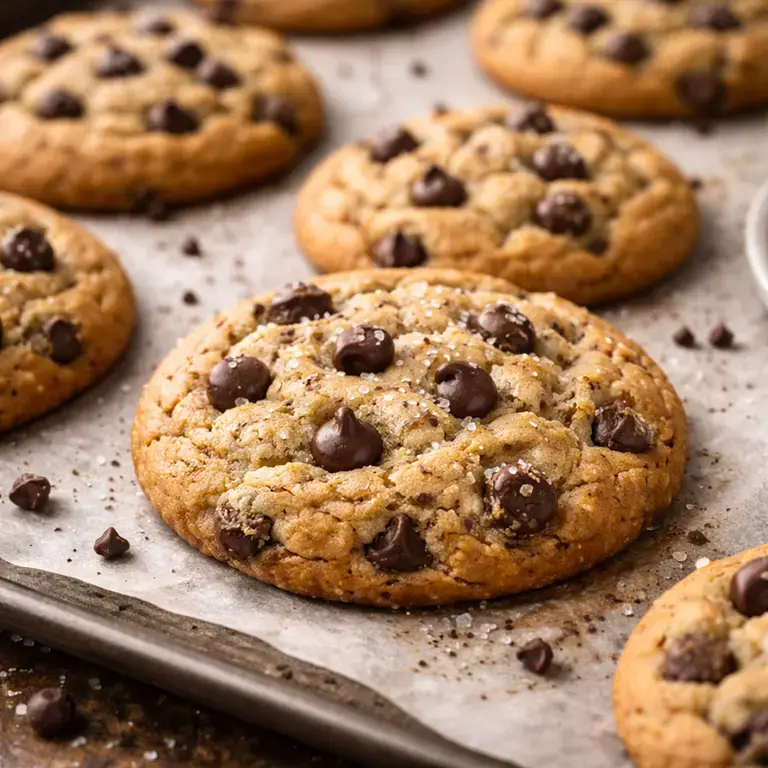
Alongside enhancing the flavors of chocolate and brown sugar, the sourdough starter discard also creates cookies with crispy outer edges and tender, chewy centers. Aside from cookies, sourdough starter discard can be used to elevate a number of desserts, from chocolate cake to blueberry muffins.
Flavor Combinations
Sourdough discard pairs well with a number of different flavors, including chocolate and sea salt. For another classic cookie recipe, try making sourdough starter discard cookies with oatmeal, raisin, and a touch of nutmeg for a seasonal variation.
To enhance the nutty and buttery flavors of the cookies, add peanut butter to this recipe. The creamy richness of the peanut butter balances the tangy, acidic flavors from the sourdough starter fermentation. A dash of tahini or miso with chocolate chip cookies adds a unique umami twist that’s the perfect pairing with a sourdough starter discard base.
Texture and Baking Tips
The sourdough starter discard adds moisture to the cookie dough, so don’t overmix it as the cookies may lose their firmness when baking. For really chewy cookies, bake the dough for two minutes less than outlined in the recipe above. Or, if you want really crispy edges, bake for two minutes longer than suggested.
In all sourdough discard cookie recipes, parchment paper helps to stop the dough from sticking to the tray and promotes even baking. It’s worth lining your baking tray with either a sheet of parchment paper or a silicone baking mat.
Storage and Shelf Life
The cookies can be stored in an airtight container at room temperature for five days. Or you can freeze the cookies for up to two months. To thaw, let the cookies sit at room temperature for two hours, where they’ll gradually regain their soft, chewy texture.