20 places
Austin's Best Restaurants, From Tex-Mex to Fine Dining
Austin has no shortage of great places to eat, but perhaps the best thing about the city’s dining scene is that there’s nothing generic about it. A standout meal is as likely to come from a food truck as a polished downtown restaurant. Dining here is less about white tablecloths or hard-to-get reservations and more about innovation, flavor, and restaurants with a distinct point of view. Narrowing it down isn’t easy, but these 20 restaurants show Austin at its best.

Este
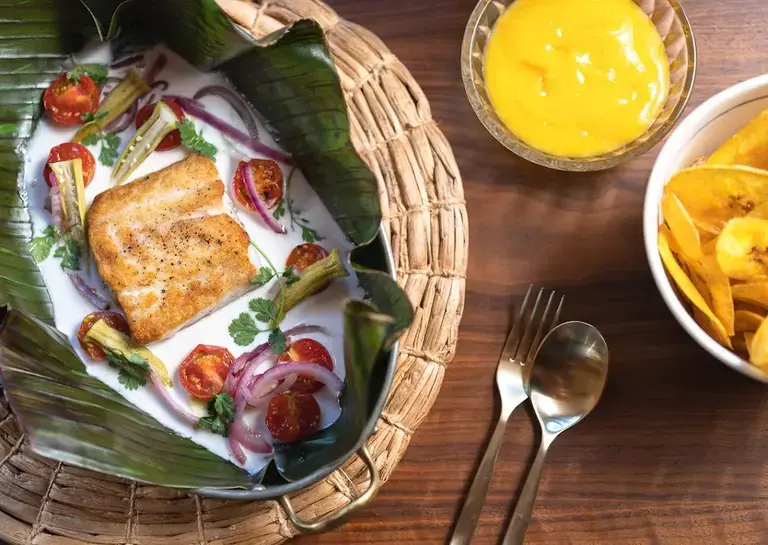
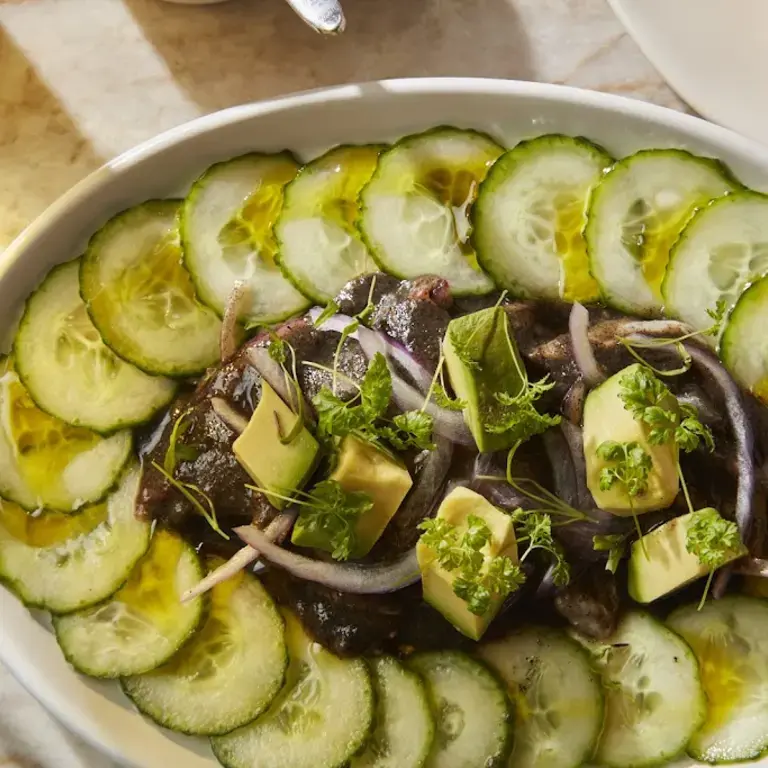
Fermín Núñez and restaurateur Sam Hellman-Mass followed Suerte with Este, a seafood-focused Mexican restaurant on Manor Road inspired by the cooking of Mexico’s coasts. The menu centers on mariscos and charcoal cooking, with oysters, ceviches, aguachiles, and whole fish among the draws. Many of the vegetables, herbs, and edible flowers come from Este Garden, the restaurant’s own urban farm, which supplies thousands of pounds of produce to Este and Suerte. When the weather cooperates, the spacious covered patio is an ideal spot for oysters and a coastal-inspired cocktail.
Canje
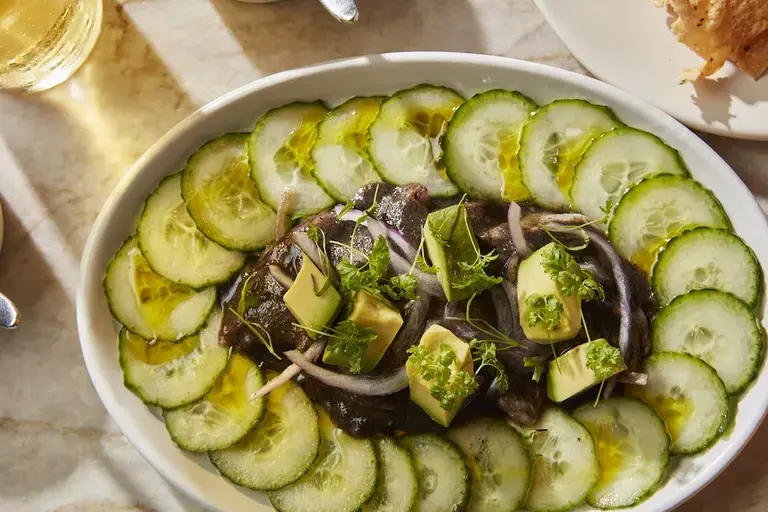
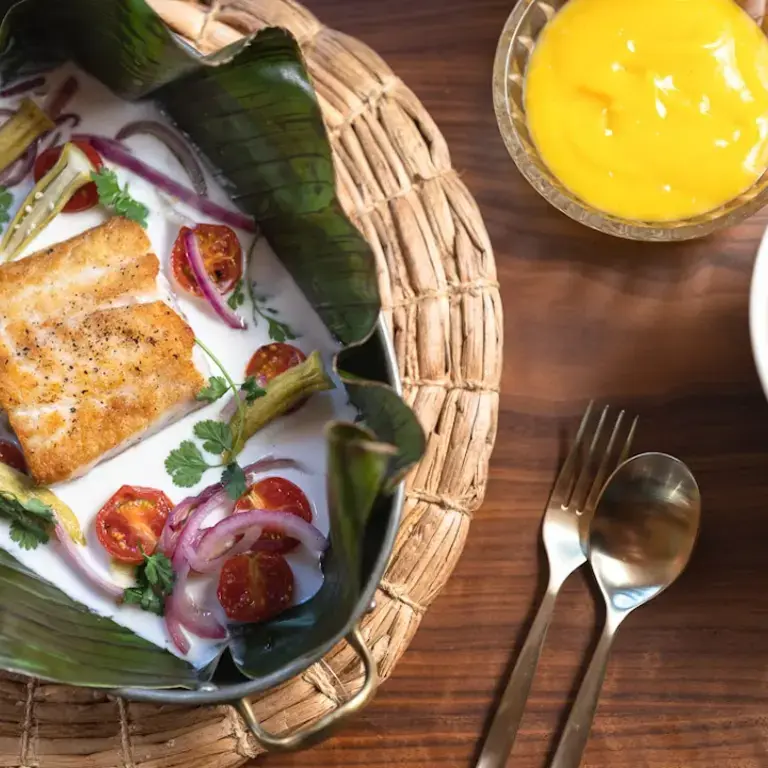
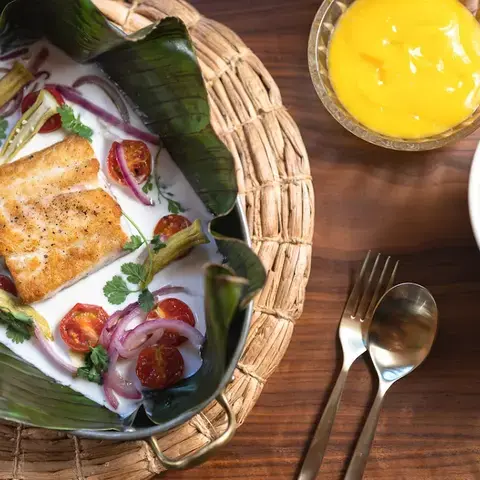
Guyanese-born chef Tavel Bristol-Joseph draws inspiration from across the Caribbean at this lively East Austin restaurant, weaving the flavors and cooking traditions of Guyana, Jamaica, Puerto Rico, and beyond into a shareable menu. Current standouts include jerk beef patties, sour orange ceviche, and wild boar pepperpot with cassareep and orange peel. Order the Guyanese-style roti alongside the pepperpot to soak up every bit of the deeply spiced sauce.
Kemuri Tatsu-Ya
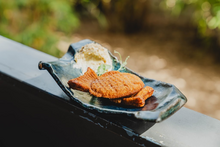
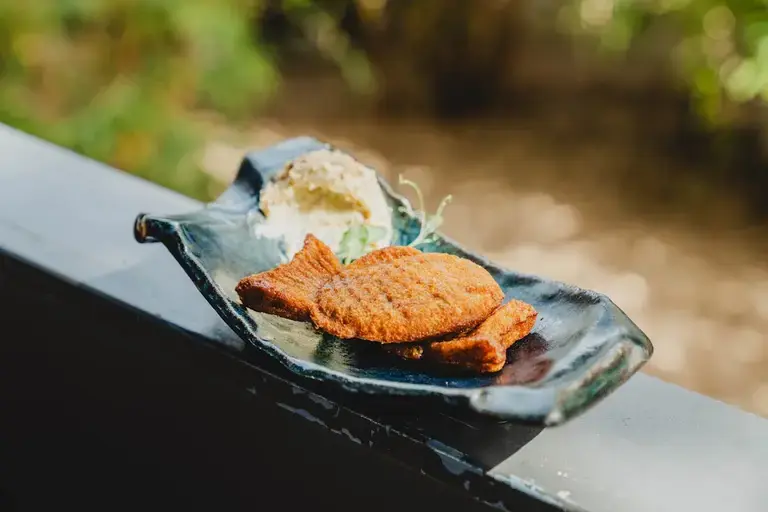
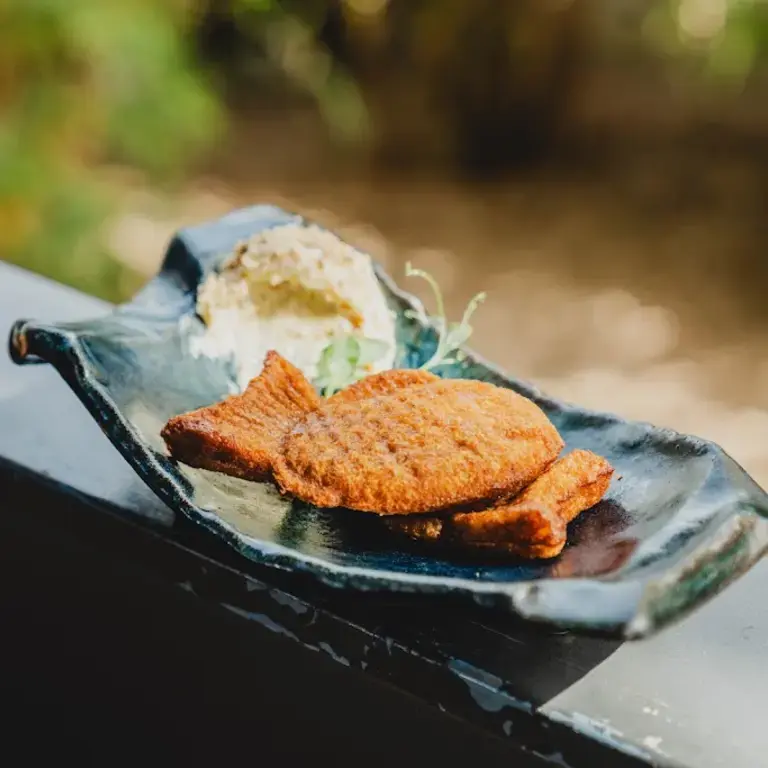
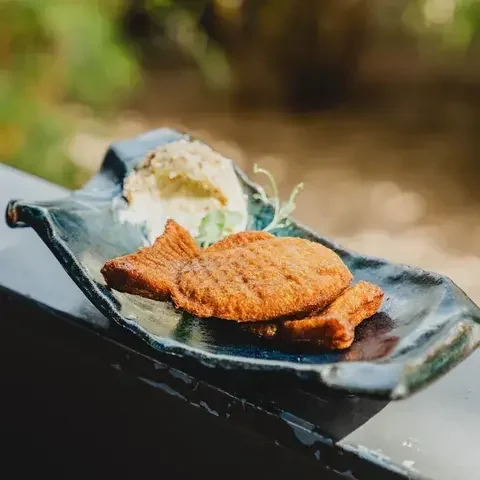
Kemuri Tatsu-ya brings together a Japanese izakaya and a Texas smokehouse in a quirky, maximalist East Austin setting. The combination captures the cultural mash-up that makes Austin’s dining scene so distinctive. Kemuri Tatsu-ya also holds a Michelin Bib Gourmand. Start with the taiyaki cornbread, misoyaki butterfish, ton maki skewers, or brisket-filled Hot Pocketz, then move on to the smoked brisket or rotating fish collar, which can be turned into a bento with rice, nori, guacamole, and miso barbecue sauce.
Suerte
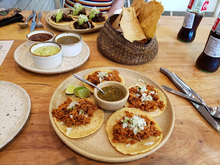
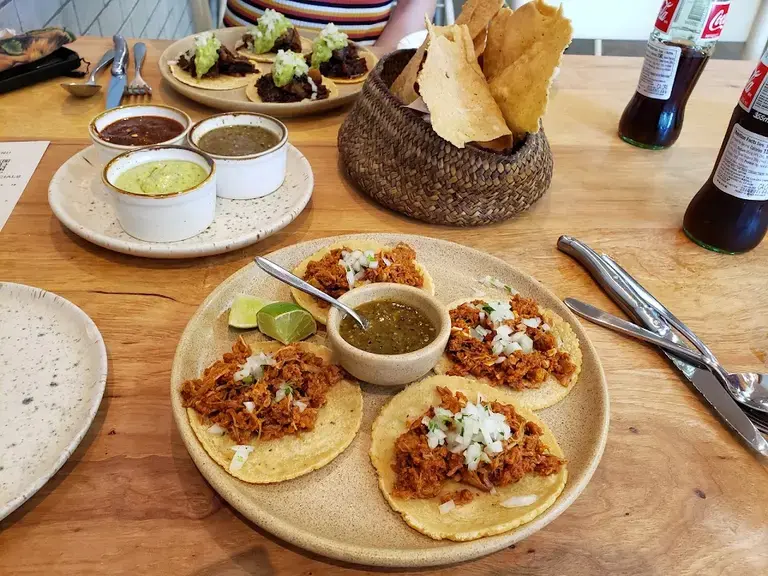
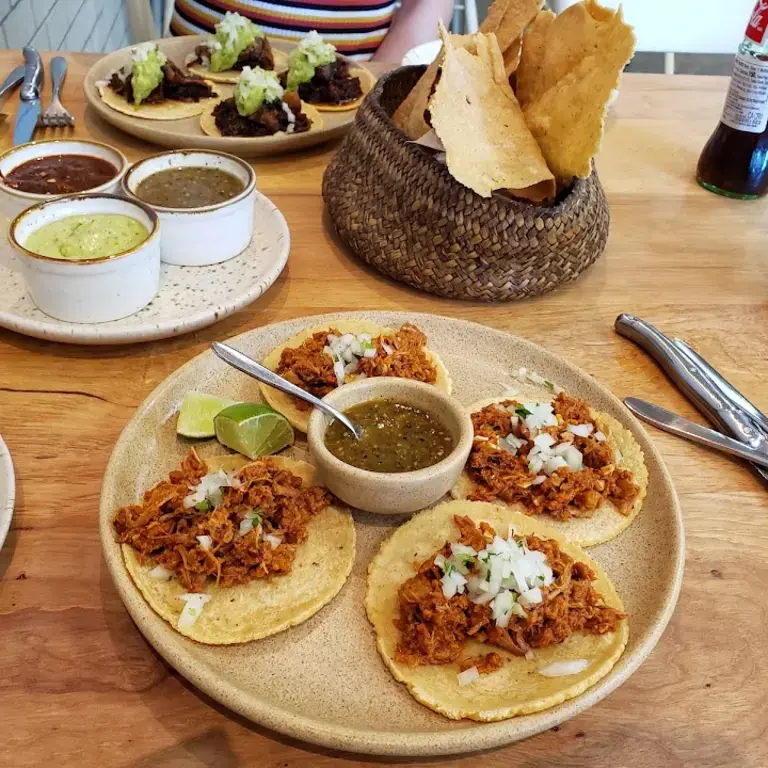
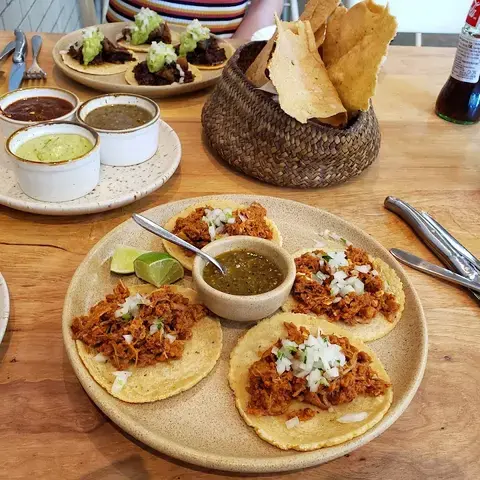
Chef Fermín Núñez puts heirloom Mexican corn and house-made masa at the center of Suerte, pairing traditional Mexican cooking techniques with ingredients sourced from Texas farms. Whole heirloom corn is nixtamalized and stone-ground in-house each day to make tortillas, tostadas, tetelas, sopes, and more. The suadero tacos with confit Wagyu brisket are a signature, while other standouts include maguey-smoked goat barbacoa and seasonal masa-driven dishes.
Franklin Barbecue
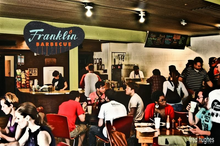
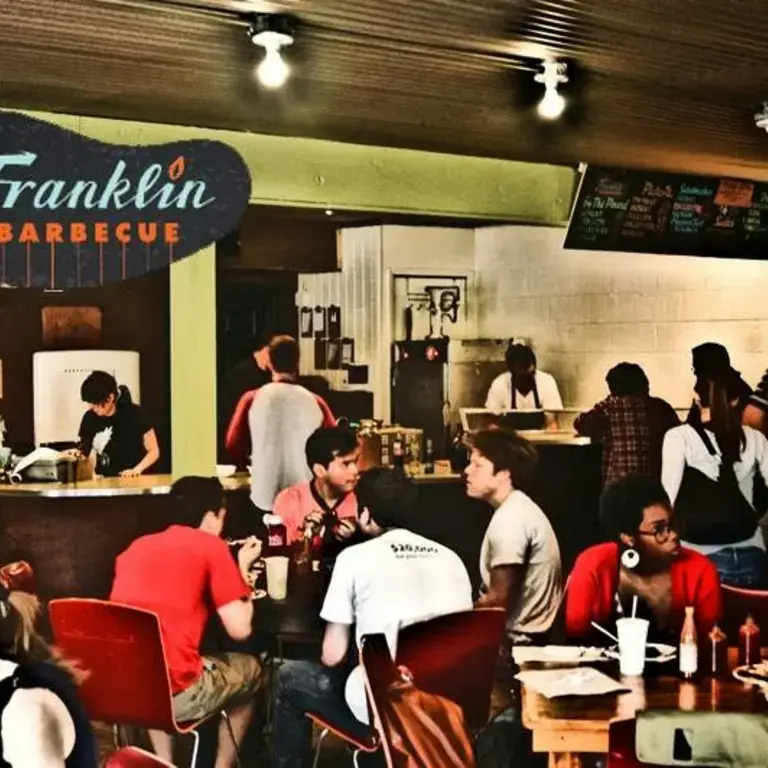
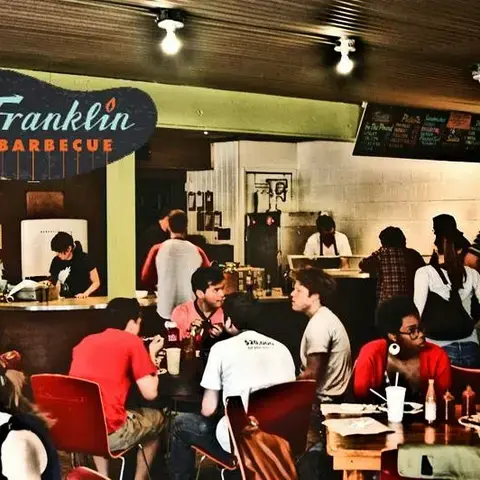
Debating the best barbecue in Austin is practically a local pastime, but Aaron Franklin has helped set the standard for Central Texas barbecue. The restaurant draws lines of locals and visitors well before opening, and for good reason. Franklin is open Tuesday through Sunday from 11 a.m. until sold out, usually around 2 or 3 p.m., so arriving early is part of the experience. You'd be hard-pressed to find someone who doesn't dream of the so-tender-it-melts-in-your-mouth-like-butter brisket.
Birdie's
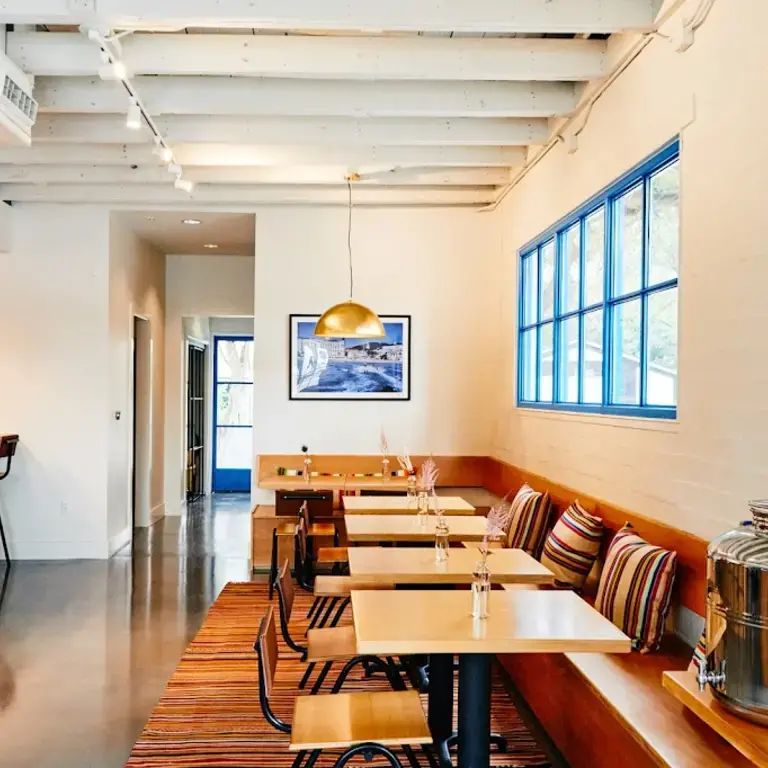
Set in a former auto shop in East Austin, Birdie’s is the counter-service neighborhood restaurant from chef Tracy Malechek-Ezekiel and beverage director Arjav Ezekiel. Tracy, a 2024 James Beard Award finalist for Best Chef: Texas, serves a monthly rotating prix fixe menu inspired by the cooking of France and Italy. Arjav leads the equally ambitious wine program and won the 2025 James Beard Award for Outstanding Professional in Beverage Service. Dinner is a five-course, $79 prix fixe, with the menu changing according to the season and what local farmers bring through the door.
Odd Duck
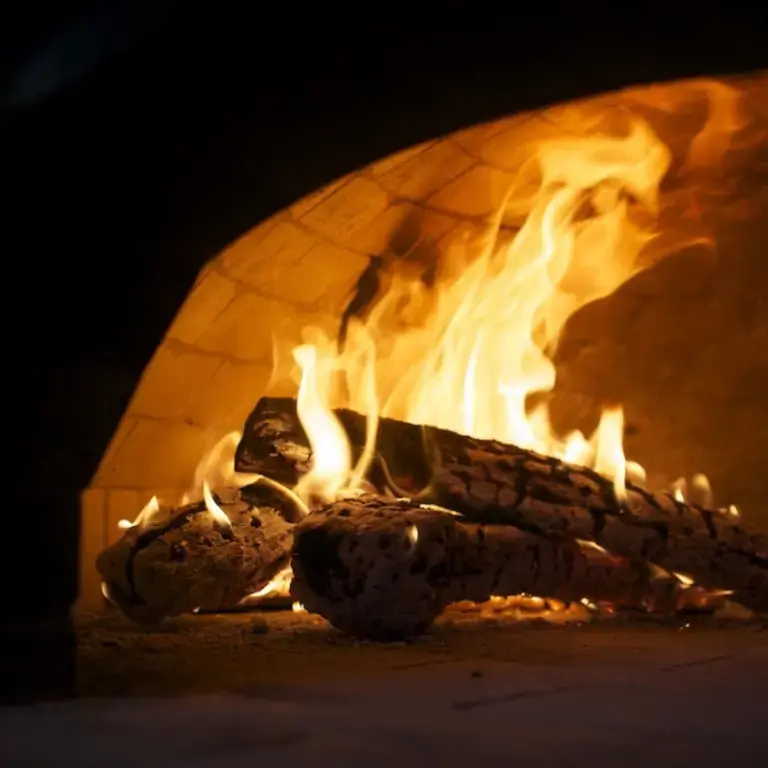
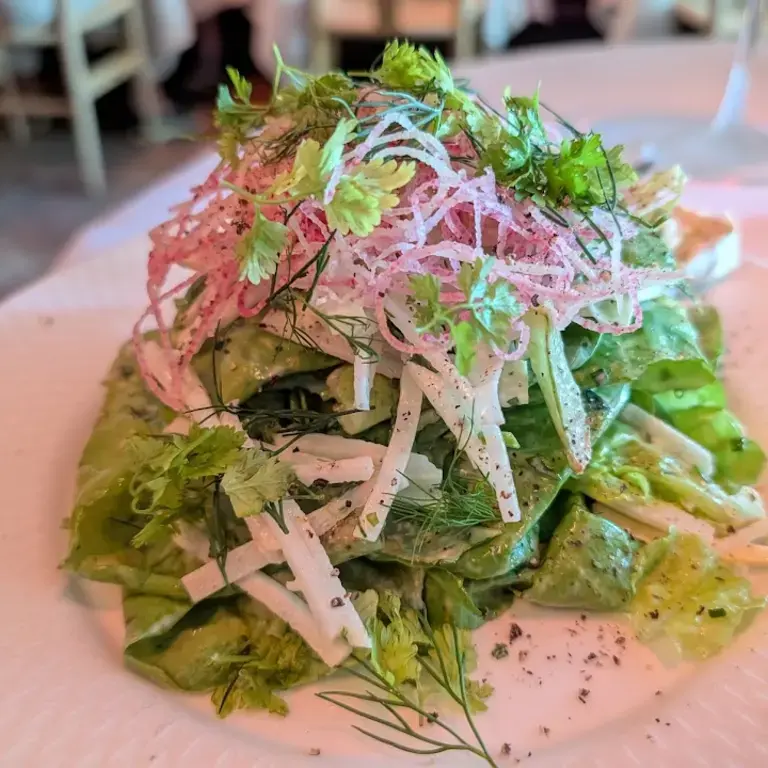
Odd Duck’s commitment to local sourcing goes back to its beginnings as a food trailer, which chef Bryce Gilmore opened with his brother Dylan in 2009. Gilmore built the menu around ingredients from local farms, a philosophy that continues at the South Lamar restaurant today. The constantly changing menu might include dishes like grilled chicken hearts, fried quail, redfish ceviche, or an aged Wagyu burger, all filtered through Odd Duck’s distinctly Austin point of view.
Jeffrey's
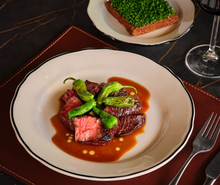
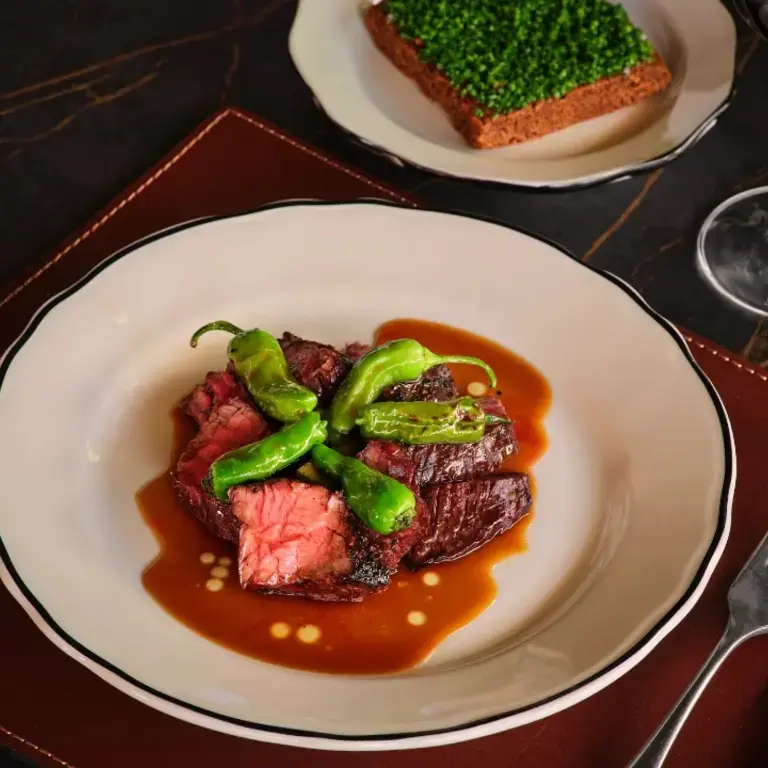
Jeffrey’s has brought old-school glamour to Austin’s Clarksville neighborhood since 1975. Reimagined by MML Hospitality in 2013, the longtime institution pairs polished service and one of Texas’s deepest wine lists with wood-fired dry-aged beef and French-American classics. Start with caviar service or the truffled deviled eggs, then settle in for one of the restaurant’s signature cuts. And don't miss the martini cart, which rolls through the dining room for cocktails prepared tableside.
Le Calamar
Le Calamar is a modern French bistro with a distinctly Texas point of view from chef Casey Wall and hospitality partners Claudia Lee and Richard Hargreave. The menu pairs French technique with ingredients from small Texas farms and seafood from the Gulf of Mexico, resulting in dishes like pan-roasted chicken with sauce vin jaune, Wagyu beef tartare, and beef tallow pommes frites. Don’t miss the $9 chicken wing à la Koffman, a deboned wing stuffed with chicken mousseline, sweetbreads, onion, and huitlacoche before being steamed and finished on the grill.
Uchi Austin
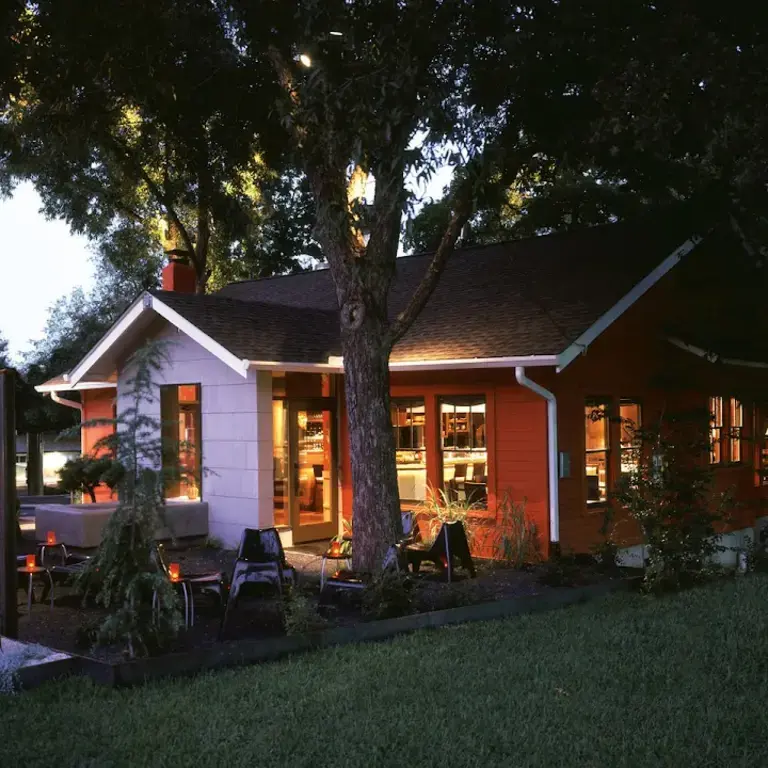
More than 20 years after chef Tyson Cole opened the original Uchi in South Austin, the restaurant still feels remarkably current. Longtime signatures include hama chili, yellowtail with ponzu, Thai chili, and orange; machi cure, smoked yellowtail with yuca crisp and Marcona almond; and the hot rock, which lets diners sear slices of Wagyu tableside. First-timers can also leave the decisions to the kitchen with the 10-course omakase, which changes daily.
Bar Toti
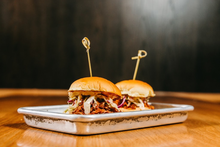
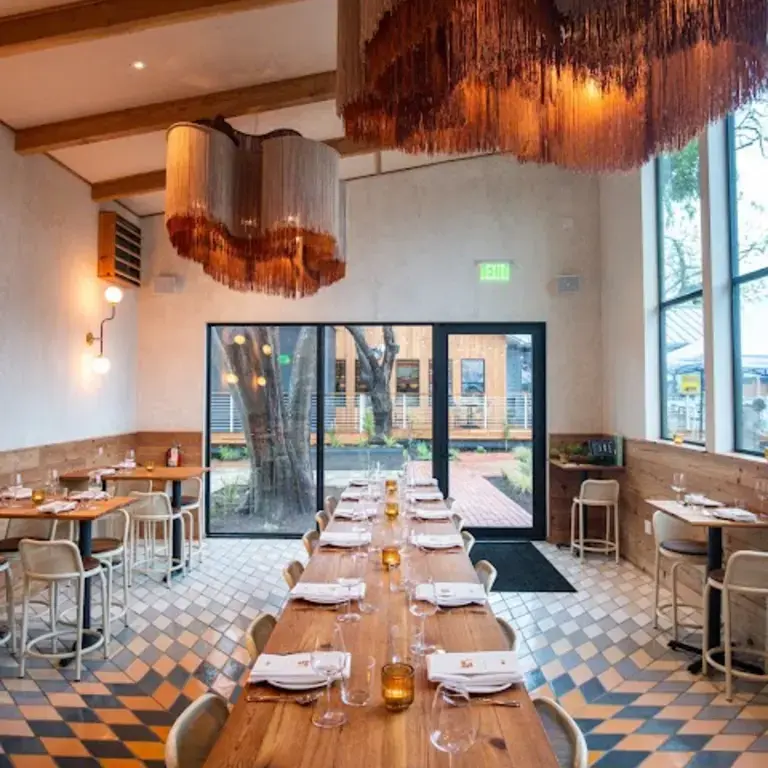
Next door to sister restaurant Este, Bar Toti is a lively neighborhood bistro inspired by the bar cultures of Spain, France, and Mexico. The signature La Smashburgesa stacks two Wagyu beef patties with American cheese, griddled ham, chipotle mayo, and escabeche relish, while the rest of the menu draws heavily on produce grown at the neighboring Este Garden. Happy hour is another reason to visit. On Mondays (truly the only way to make Mondays less Monday-ish), La Smashburgesas are half-price alongside discounted drinks.
Loro Asian Smokehouse & Bar
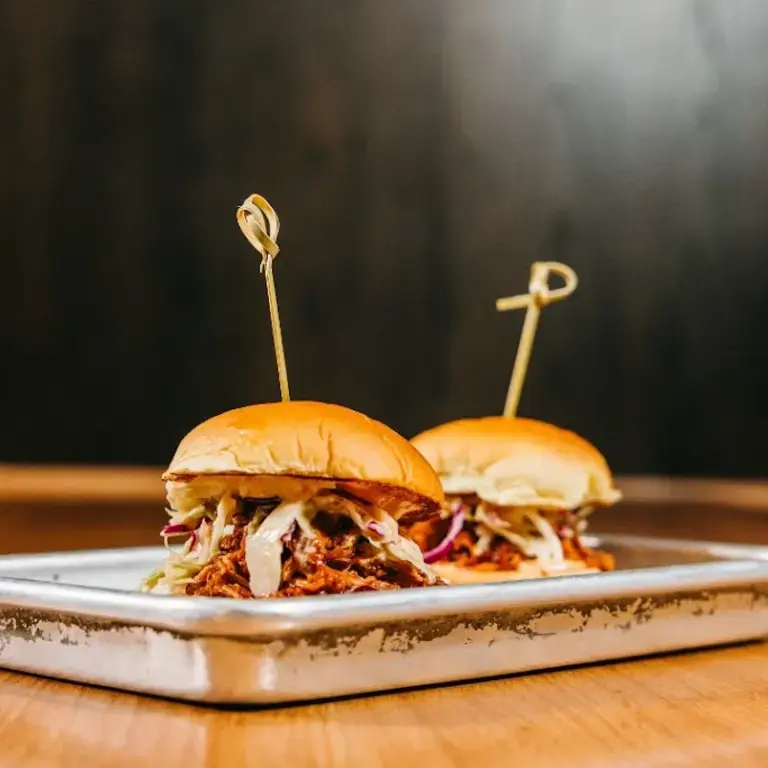
Loro brings together two of Austin’s best-known chefs: Uchi founder Tyson Cole and Franklin Barbecue’s Aaron Franklin. Their Asian smokehouse combines Texas barbecue with Southeast Asian and Japanese flavors in a casual, order-at-the-bar setting with a sprawling outdoor patio. The menu ranges from smoked meats to rice bowls and sandwiches, with dishes like smoked brisket with chili gastrique and Thai herbs, crispy potatoes with miso mustard, and a crispy chicken sandwich with yuzu kosho aioli and citrus-cabbage slaw.
Hestia
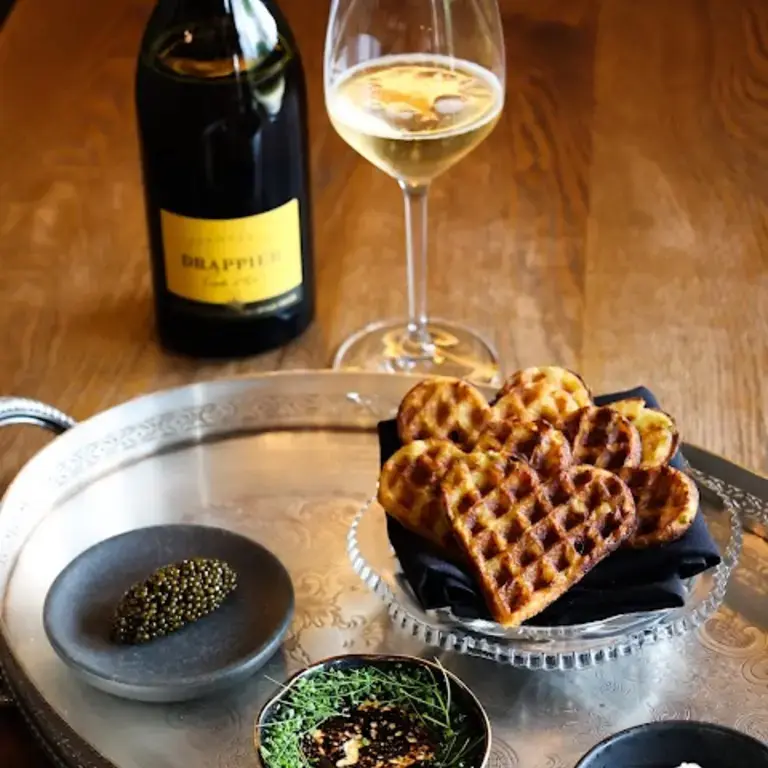
A 20-foot wood-fired hearth anchors the open kitchen at Hestia, where chefs Kevin Fink and Tavel Bristol-Joseph build the menu around live-fire cooking. Hestia earned a Michelin star when the guide debuted in Texas in 2024 and retains it today. The restaurant offers both a tasting menu and à la carte options, including the hearth-dried tomato tart with smoked trout roe and the scallop with beef tallow, mushroom gelée, and smoked butter.
Lutie’s Garden Restaurant
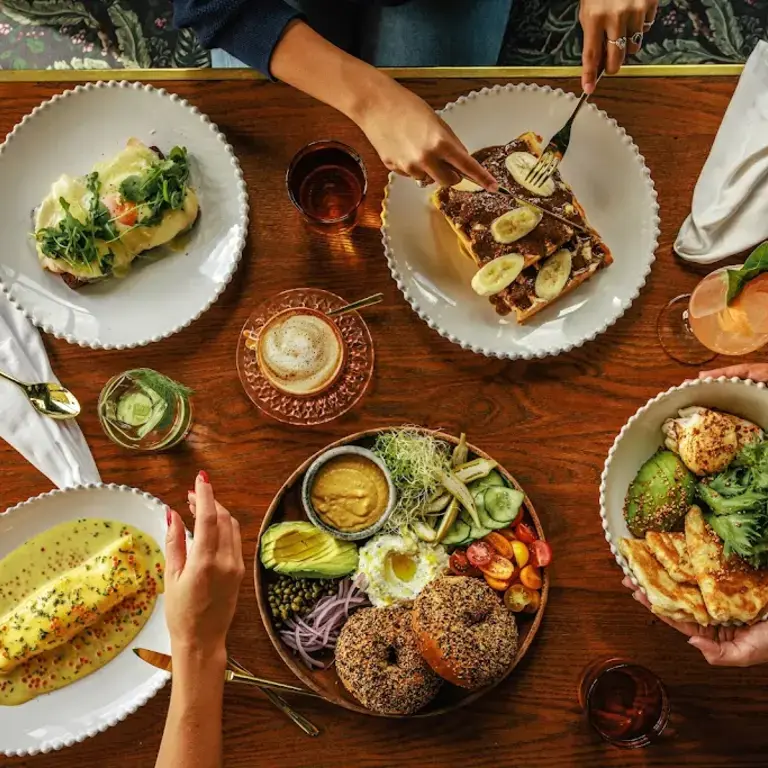
Set within the Commodore Perry Estate, Lutie’s feels like dining in a jewel box, with a garden-inspired room wrapped in greenery, floral fabrics, and vintage details. The seasonal menu spotlights Texas ingredients in dishes such as chickpeas with green corn and lime yogurt, barbecued shrimp with shiitake XO and guajillo, and Texas Wagyu with oyster mushrooms and sweet potato. The Estate Bread with brown-and-cultured butter is a signature, while weekend brunch brings dishes like Turkish eggs and an oyster mushroom hash brown.
Sammie's
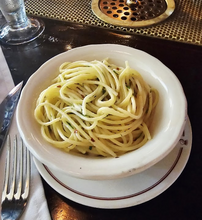
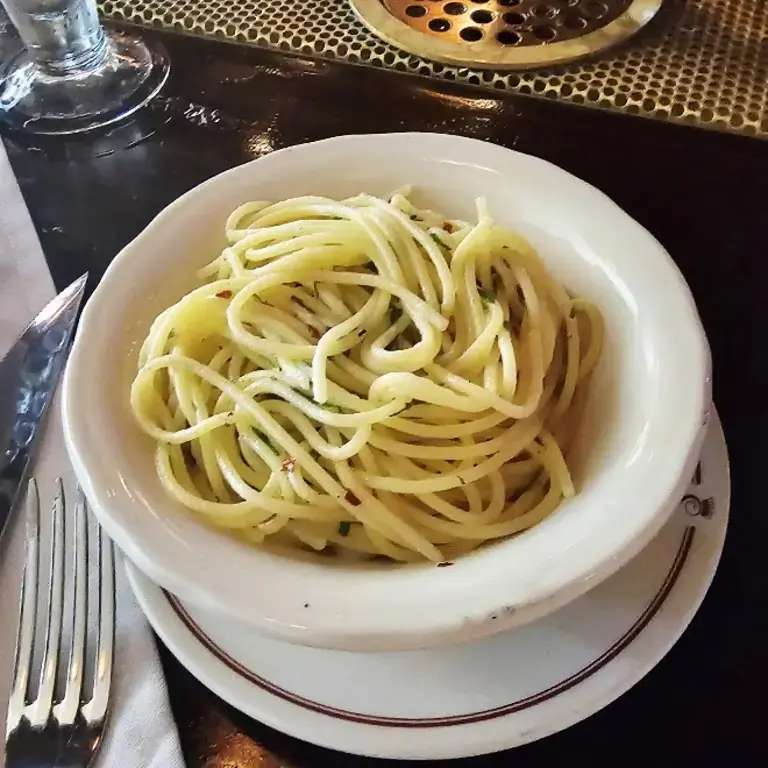
Sammie’s channels an old-school Italian-American red-sauce joint with a see-and-be-seen Austin energy. The menu leans into the classics, including lasagna layered with Bolognese, fresh mozzarella, and arrabbiata, plus spaghetti and meatballs made from chef Nicholas Joseph’s family recipe. The martinis are freezer-cold, and somehow Sammie’s makes mozzarella sticks feel fancy.
Barley Swine
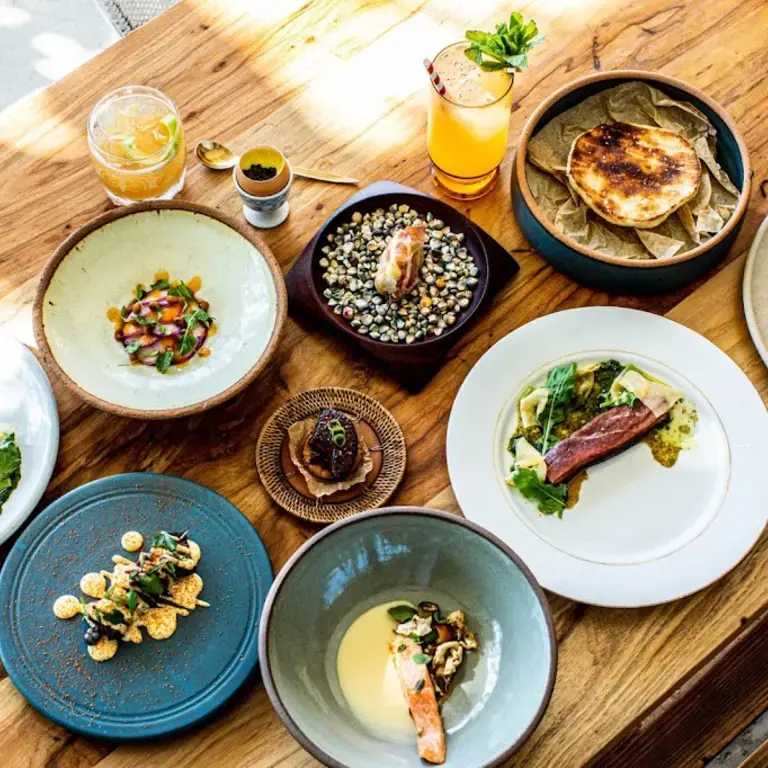
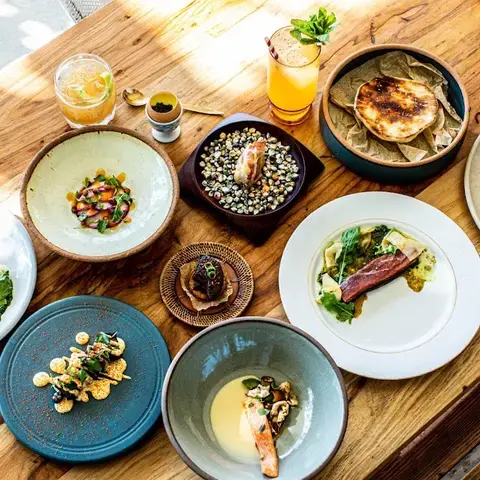
Bryce Gilmore takes his commitment to Central Texas farmers and ranchers into tasting-menu territory at Barley Swine. Open since 2010, the restaurant now holds a Michelin star. The $125 chef’s tasting changes constantly according to ingredient availability, including produce from Gilmore’s own River Field Farm in nearby Dale. Recent dishes have included smoked pork shoulder with creamed corn and peaches, chipotle yellowtail with Sungold pico de gallo, and a potato and chile goat cheese fritter.
Emmer & Rye
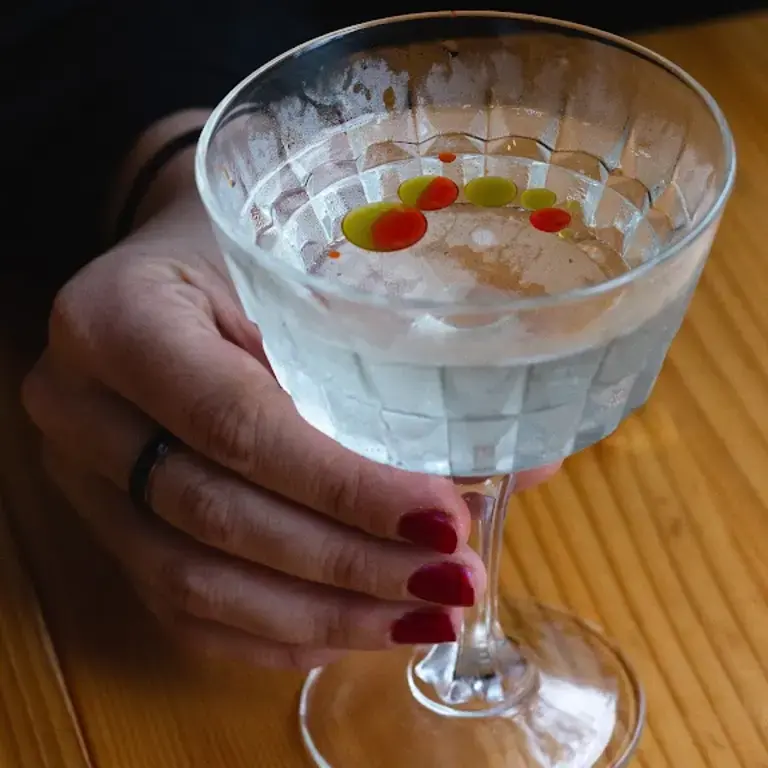
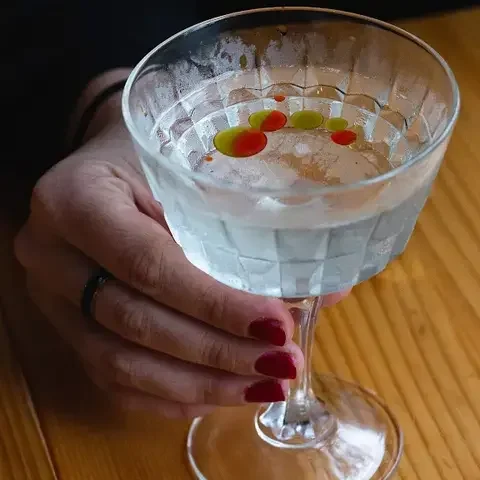
Emmer & Rye has built its identity around Texas farms and heirloom grains since opening on Rainey Street in 2015. The kitchen mills grains in-house for breads, pastas, and desserts, practices whole-animal butchery, and uses fermentation to preserve peak-season ingredients. The menu changes daily according to what’s available, an approach that has earned the restaurant both a Michelin Green Star for sustainability and a Bib Gourmand.
Comedor
Chef Philip Speer serves modern Mexican cooking with Texas influences at this striking downtown restaurant designed by architect Tom Kundig. Corn, chiles, and citrus feature prominently across a menu that balances polished presentation with dishes like bone marrow tacos with quelites, smoked butter, and pecan gremolata, and heirloom masa cornbread with whipped popcorn butter. Comedor also has an extensive agave program, making tequila, mezcal, and other Mexican spirits as much a part of the experience as the food.
Intero Restaurant
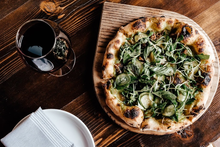
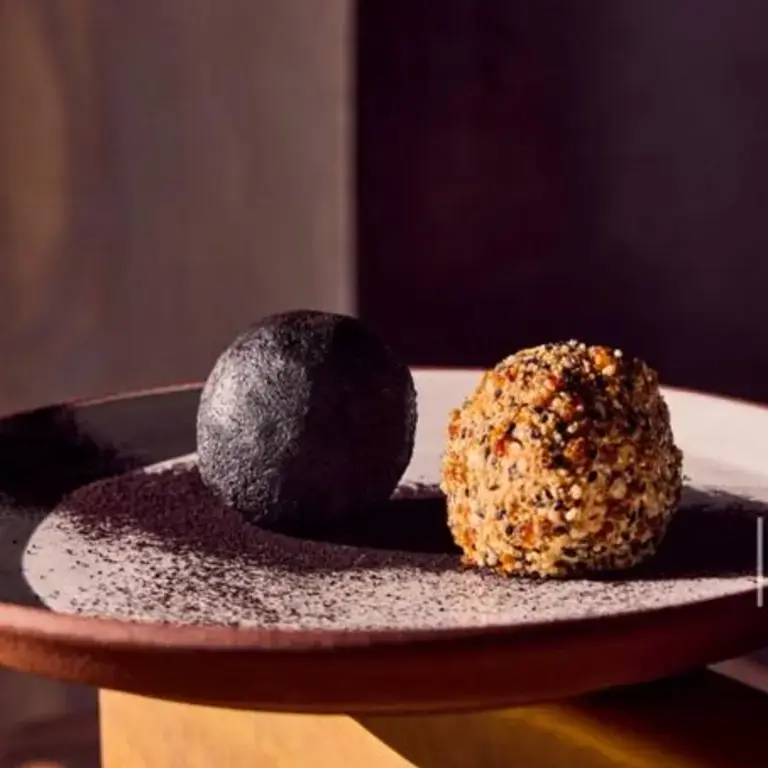
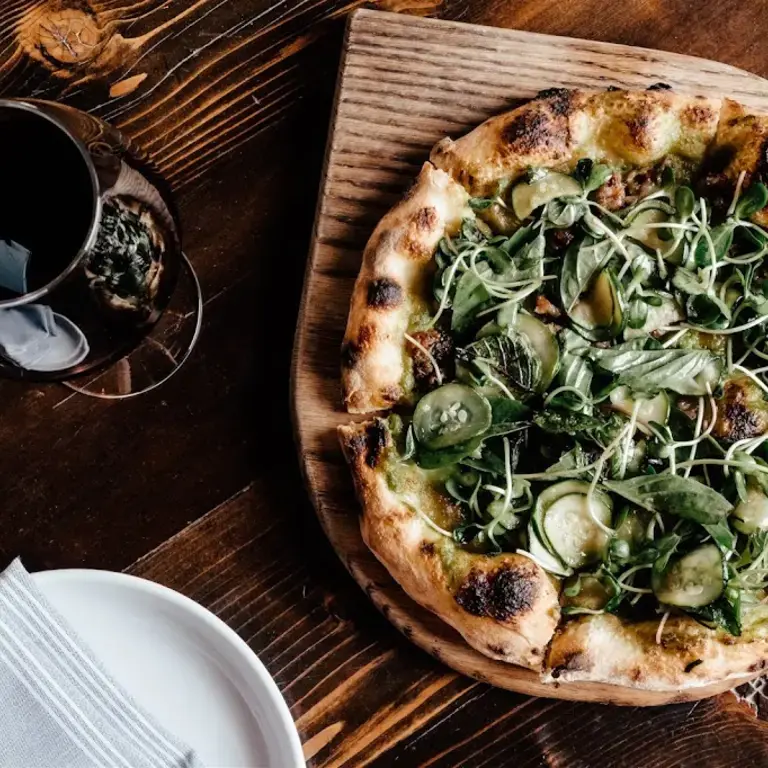
Sustainability is built into the cooking at Intero, the East Austin Italian restaurant from chef Ian Thurwachter and pastry chef and chocolatier Krystal Craig. The kitchen works toward zero waste through whole-animal butchery and using as much of each ingredient as possible, with local meats and produce sourced exclusively from Texas farms and ranches. Pastas and pizzas are central to the menu, but save room for Craig’s small-batch artisan chocolates, which are made by hand each week and available to enjoy at the restaurant or take home.
Lenoir
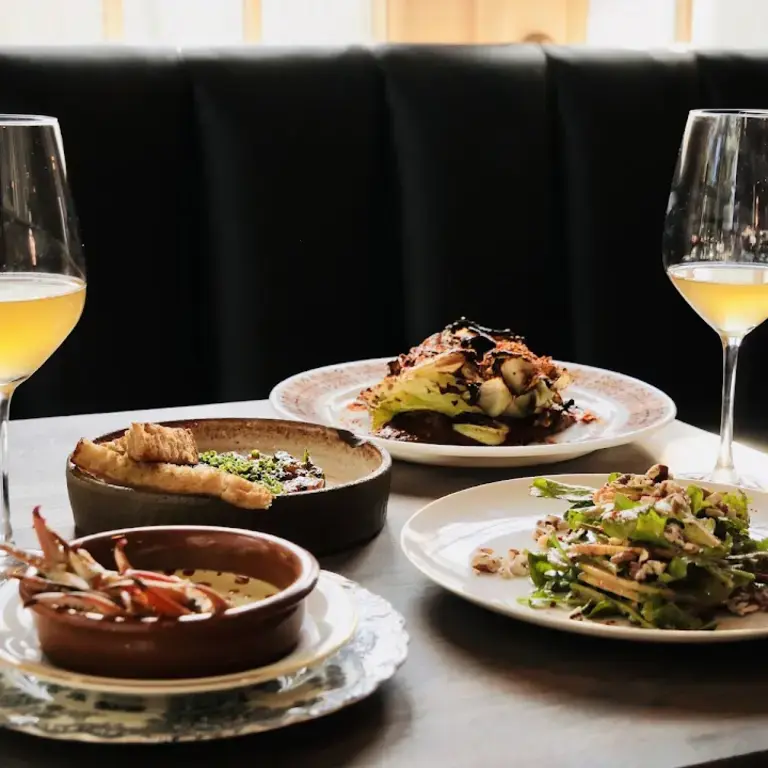
Since opening in 2012, Lenoir has built its menu around what owners Todd Duplechan and Jessica Maher call “hot weather food,” using spice, heat, and bold flavors to showcase seasonal Central Texas ingredients. The menu changes often, but house-made Pullman bread is a staple, served with fermented pepper pimento cheese. The intimate dining room is complemented by a shaded wine garden, while a wide-ranging wine list emphasizes small producers from around the world. Devotees can take some of that curation home through Lenoir’s monthly wine club.