From the deep red of Hungarian paprika to the smoky aroma of Spanish varieties, this spice brings warmth, depth, and complexity to dishes across cuisines. Its balance of sweetness, heat, and fragrance makes it essential in both rustic comfort food and refined fine dining creations.
What Is Paprika Made Of?
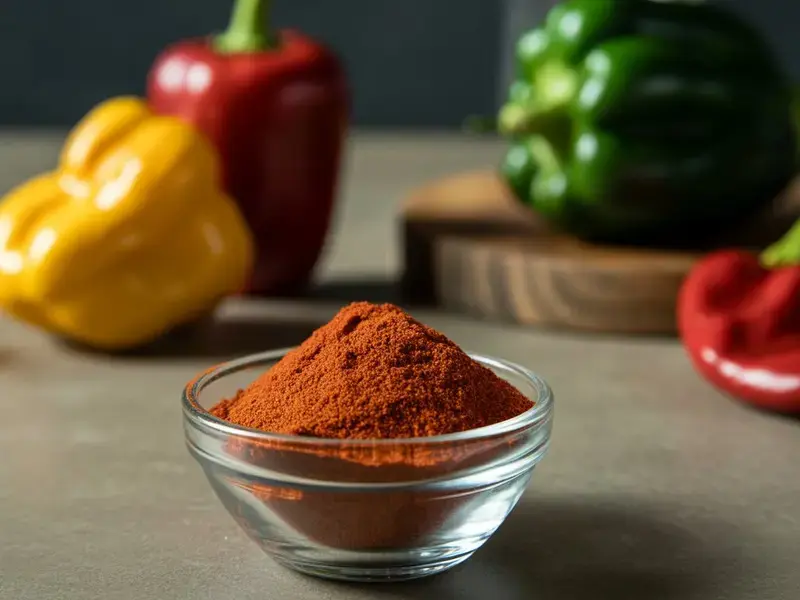
At its essence, paprika powder is made from dried and finely ground peppers belonging to the Capsicum annuum family. The exact flavor depends on the type of pepper used—ranging from mild and sweet varieties to those with a touch of heat.
In most cases, the peppers are sun-dried or slowly smoked before being ground into a fine, crimson powder. The result is a spice that can vary dramatically in color and intensity, from pale orange to deep red, and from subtly sweet to pleasantly sharp.
While it’s often compared to chili powder, paprika has a more delicate profile and a cleaner, fruitier flavor. In many recipes, it can serve as a chili powder substitute when you want less heat but equally rich color and aroma.
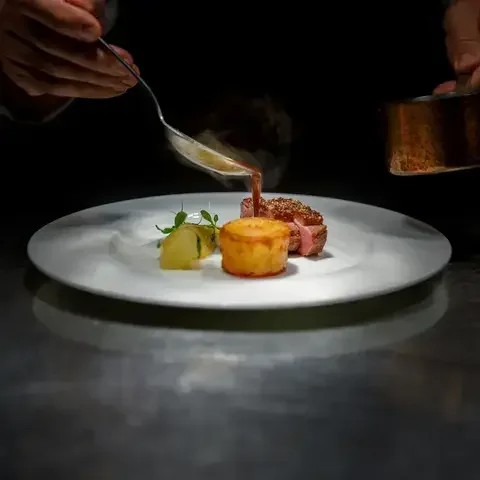
High-quality paprika also contains natural pigments and essential oils that enhance both the taste and the visual appeal of a dish—making it a favorite for chefs who view plating as an art form.
Varieties of Paprika: Sweet, Smoked, and Hot
Paprika isn’t a single spice—it’s a family of flavors shaped by climate, pepper type, and curing method. The three most common varieties are sweet, smoked, and hot paprika, each with its own culinary personality.
- Sweet paprika (mild): Made from sweet red peppers, this version delivers a gentle flavor with fruity, slightly earthy notes. It’s often used for color and balance in sauces, roasted vegetables, and creamy dishes like deviled eggs or goulash.
- Smoked paprika (Spanish pimentón): Originating from Spain’s La Vera region, this paprika is dried over oak wood fires, infusing it with an unmistakable smoky aroma. It’s the secret behind many Spanish classics, such as paella and chorizo, and adds depth to rubs, marinades, and roasted meats.
- Hot paprika: Typically Hungarian, this variety uses spicier peppers for a subtle kick. It’s essential in traditional Hungarian stews, soups, and sausages, bringing both warmth and vivid color to hearty recipes.
Many chefs blend different types to achieve a customized flavor balance—sweetness for body, smokiness for complexity, and heat for contrast.
How to Use Paprika in Cooking
Because it’s both flavorful and colorful, paprika serves multiple purposes in the kitchen—seasoning, coloring, and garnishing.
Sprinkle it over roasted potatoes, grilled seafood, or soups for a touch of warmth and visual appeal. It shines in spice rubs, stews, and braises, where its oils can bloom gently in fat to release aroma and flavor.
A key tip: paprika burns easily. Always add it toward the end of cooking or briefly toast it in oil to release its natural sweetness without bitterness.
In fine dining, smoked paprika often enhances sauces, emulsions, and even desserts—paired with chocolate or caramel for an unexpected smoky depth. Meanwhile, sweet paprika adds balance to creamy dishes like aioli or risotto, and hot paprika finds its place in marinades and spice blends for meats or roasted vegetables.
To build layers of flavor, combine paprika with other spices like cumin, coriander, or garlic powder—it harmonizes beautifully with both Mediterranean and Middle Eastern profiles.
Where Paprika Comes From
Though associated with Hungary, the story of paprika’s origins spans continents. The peppers used to make it trace back to the Americas, where they were first cultivated before spreading to Europe through Spanish and Portuguese traders in the 16th century.
Spain became one of the first regions to perfect smoked paprika, particularly in Extremadura and La Vera, where oak wood drying remains a cherished tradition. Hungary, on the other hand, elevated paprika to a national symbol, with regions like Szeged and Kalocsa producing some of the world’s most prized varieties.
Today, paprika is cultivated worldwide—from the Mediterranean to South America—but the Hungarian and Spanish versions remain benchmarks of quality. Each tells a story of terroir: the soil, climate, and craftsmanship that influence its color, aroma, and flavor intensity.
Versatile and beautiful, paprika embodies the art of balance—sweetness, smokiness, and spice working together in perfect harmony. Whether sprinkled over roasted vegetables, folded into sauces, or starring in traditional stews, it transforms the ordinary into something vivid, aromatic, and unmistakably refined.