Shellfish is another easy sacrifice. Shani does not consider it fundamental to his cooking and compares its absence to leaving elephant off the menu. Take away olive oil or tomatoes, however, and he says he would quit.
Shani is just as skeptical of the conventions of fine dining. At home, he says, he might eat a whole cucumber in three bites. Cut it into triangles and arrange it on a plate, and suddenly, “that is fine dining.”
The triangles tell diners how they are supposed to see the cucumber. They say nothing about whether the cook understands it. “Fine dining, first of all, is being honest,” Shani says.
For Shani, honesty begins with finding the best ingredients, which are not necessarily the most expensive, and understanding how each one behaves. It also means allowing cooks to respond to what is in front of them rather than follow a fixed formula. Even when a chef has prepared the same dish thousands of times, Shani believes it should be approached as if it were the first.
“You have to be so sensitive to take an option that you will fail,” he says. “But why? Because you want to make a virgin creation, every time from the beginning.”
Failure is not the objective. It is the risk a cook accepts by responding in the moment instead of reproducing a dish by rote. That uncertainty, Shani believes, is what keeps the cooking alive.
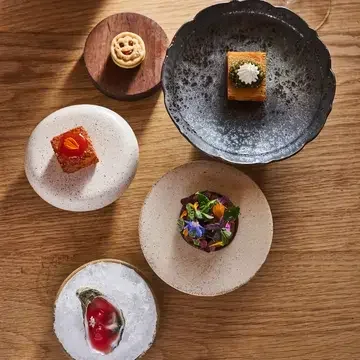
At SHMONÉ, his Michelin-starred restaurant in New York, that philosophy once took the form of a steak. Shani chose the best piece of meat he could find, roasted it over Japanese charcoal, then “caught it with my hand” and carried it into the dining room. He carved it directly onto kraft paper at the table, leaving a puddle of blood behind. When dessert arrived, the paper remained. Shani covered it with a piece of pure white, ironed linen, watched the fabric absorb the blood beneath it, and placed the dessert on top.
“For me, that is fine dining,” he says. “Because I’m honest. Because I’m brave. I’m taking the risk.”
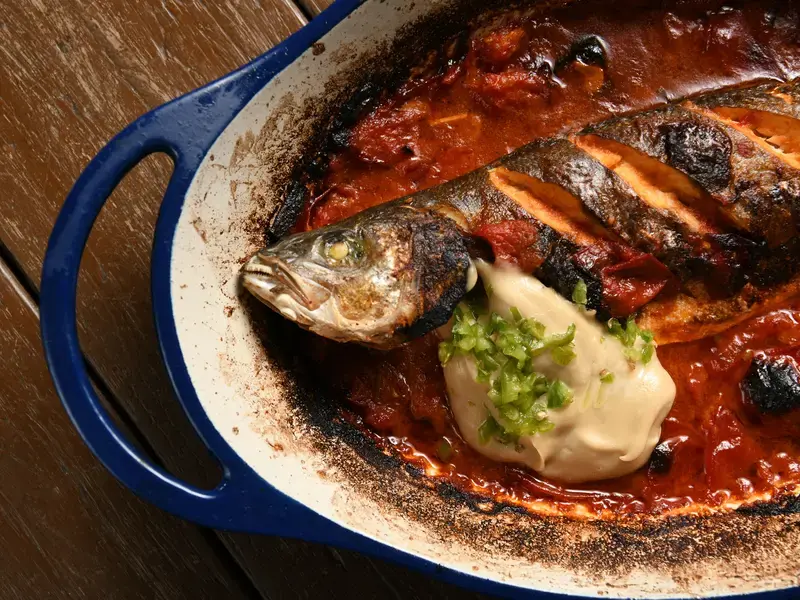
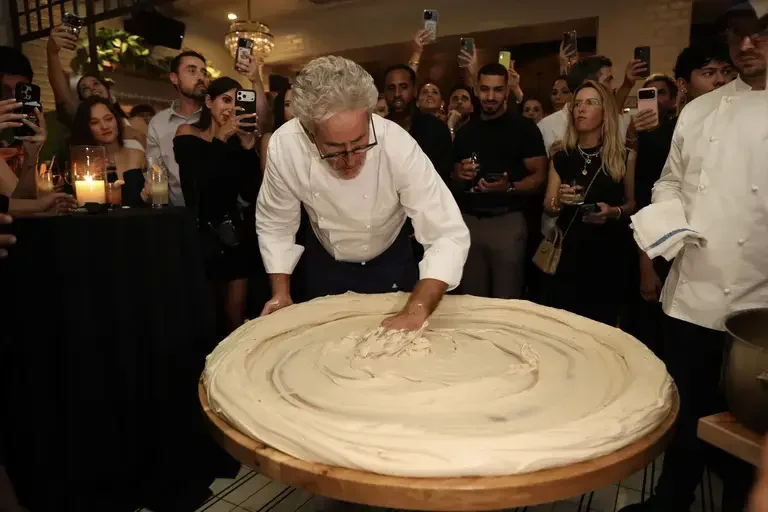
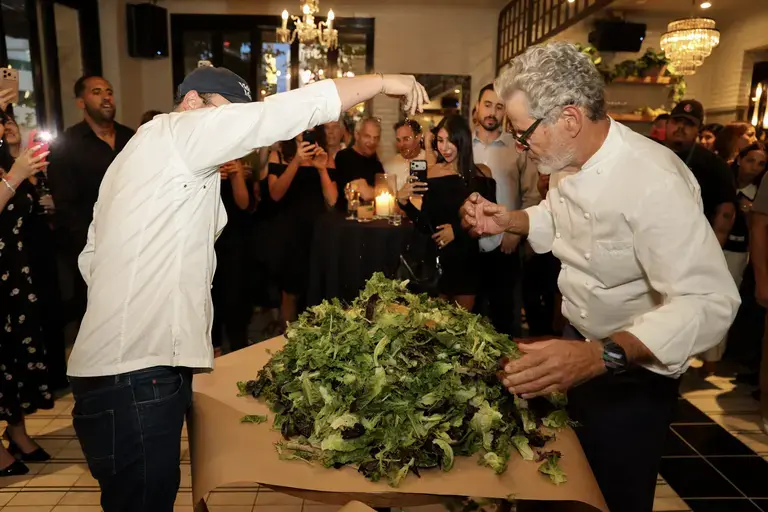
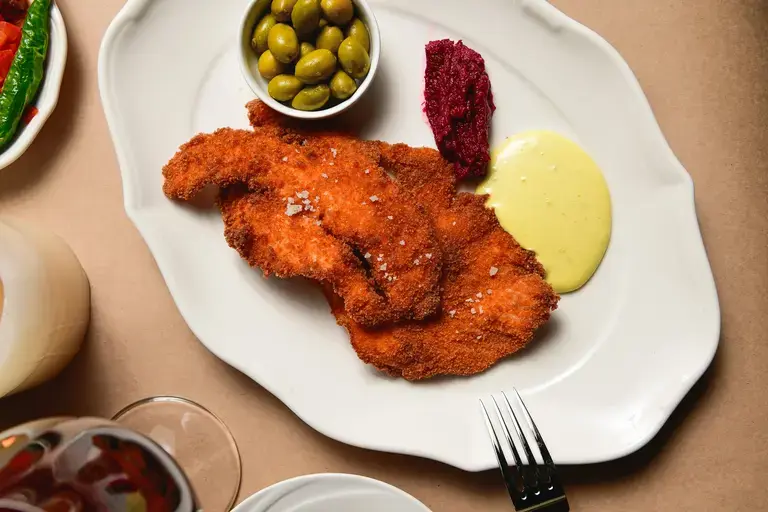
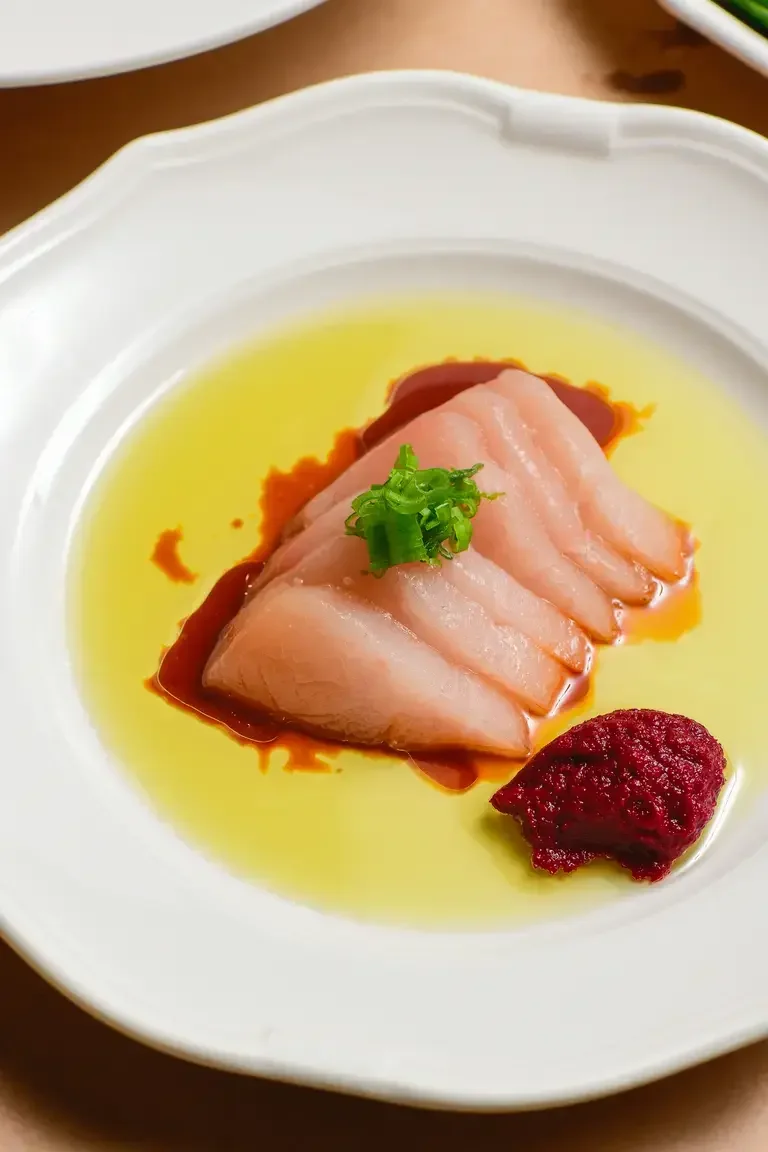
In Los Angeles, Shani has a new supply of ingredients to respond to. Malka’s menu changes with the seasons, incorporating California figs, pluots, peaches, and other local produce as they become available. Dishes created for the Beverly Hills restaurant include melanzana, Niçoise salad, and salmon bruschetta, alongside Malka signatures such as the mashed potato-stuffed Queen Malka Schnitzel, branzino hraime, and hummus.
That abundance has set Shani’s imagination loose. He pictures placing a small table beneath an umbrella, cooking with the ingredients around him, and earning a Michelin star on the spot.
“There is no reason why a kosher restaurant would not be the best,” he says.
Shani does not expect Malka to attract only diners who keep kosher. Observant guests, he says, will bring friends who come for the food rather than the certification. His aim is a restaurant where both groups can eat together without the distinction mattering.
When Shani opened Malka in Tel Aviv, he envisioned Orthodox and secular women climbing onto the bar and dancing together by the end of the night. He says it became reality. The Beverly Hills opening suggested that Los Angeles might follow.
“If food is not feeding you with happiness, what would feed you with it?” Shani says.