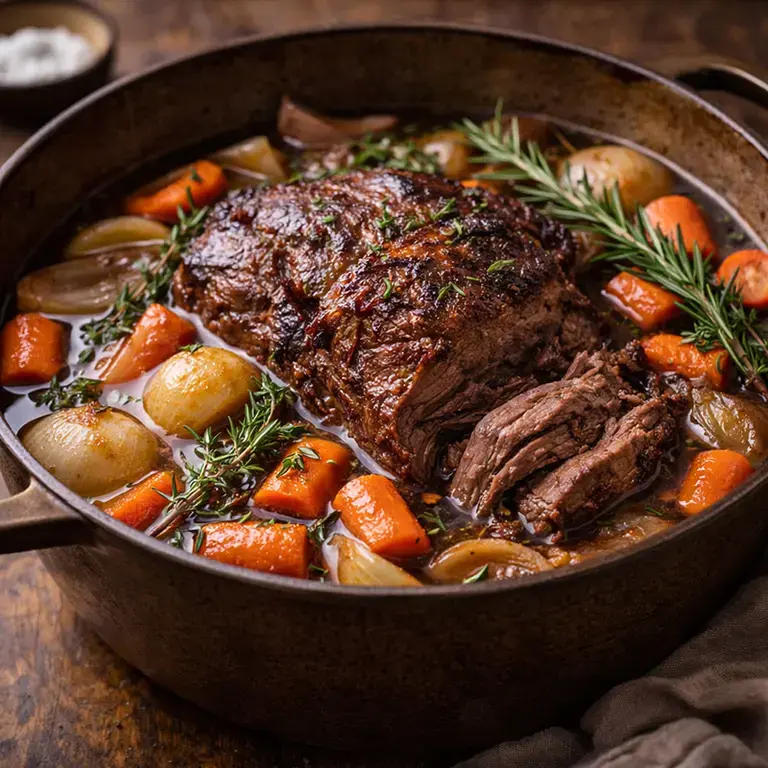

To get the most out of your pot roast, pat the meat dry before searing, to help it build deep flavor in the pan. Deglazing the pan is a key step to capture all of the browned parts of the meat after cooking, and to ensure these elements are combined into the broth. If you can, let the meat rest for 15 minutes before cutting, to allow the juices to reabsorb into the fibers of the beef.
Choosing the Right Cut
As suggested in the recipe above, chuck roast is the best overall cut to use for a pot roast. It’s well-marbled with fat throughout the cut, and becomes extremely tender when slow-cooked in the pan. If preferred, you can use brisket, which is leaner. Look for good marbling and thickness rather than a uniform cut. For more guidance on which cut to choose for various beef dishes, take a look at our ultimate guide to the different cuts of beef.
We’ve kept the pot roast seasoning simple in the recipe above, but you can vary this as preferred depending on your taste preferences. For a herb-forward approach, some chefs will add parsley and oregano to the list of ingredients above. You could also boost the umami flavors with soy sauce or Worcestershire sauce. A Mississippi pot roast recipe, features ranch seasoning and au jus gravy mix for savory, tangy, and intense flavor notes.
Slow Cooking Methods
We’ve suggested using a Dutch oven for ideal stovetop-to-oven control in this recipe and to help with maximum flavor development. If you have a slow cooker, you can also use this to create your pot roast. It will take longer, around eight hours, but it’s hands-off cooking and can be left during the day ready to enjoy for a hearty dinner. Whichever method you choose, make sure the meat isn’t fully submerged in the liquid, but around a third to a half of the way up the meat.
Serving and Reheating Pot Roast
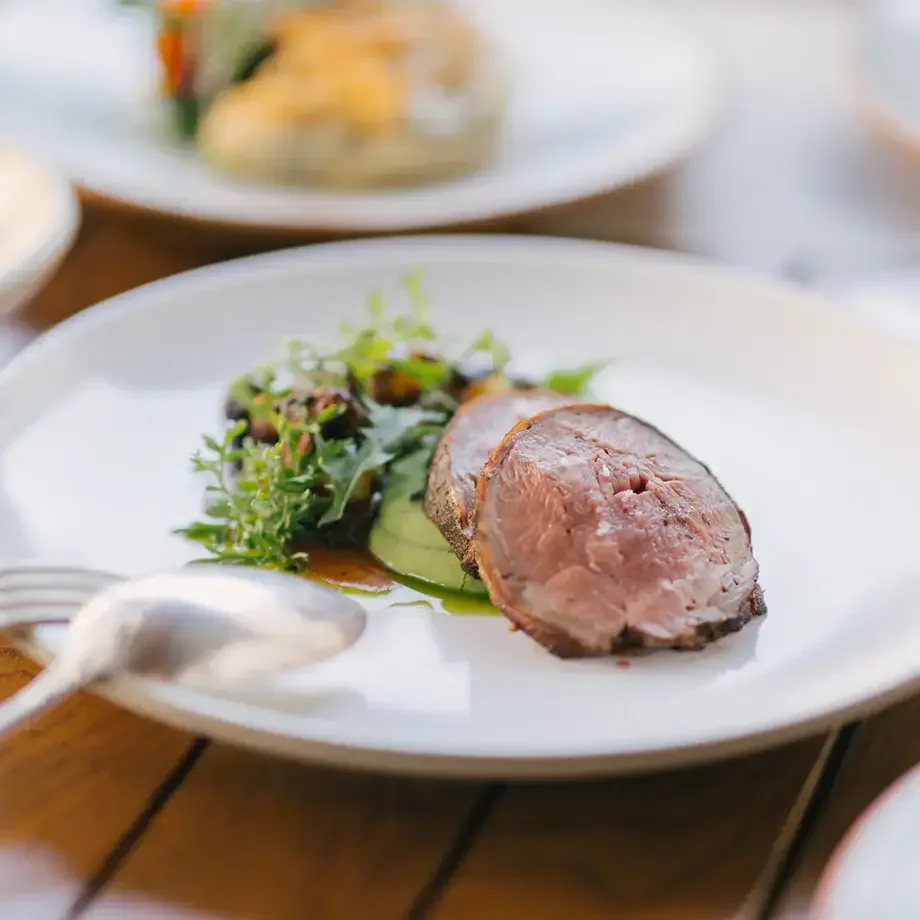
Pot roast can be served sliced or shredded depending on your preference for the texture. Serve it alongside classic roast sides such as mashed potatoes and roasted vegetables from the pan. Or try pairing it with a plate of roasted kohlrabi for a special meal, as an elevated alternative to roasted carrots.
When storing pot roast, place it into an airtight container in the cooking liquid to prevent it from drying out in the fridge. You can reheat the pot roast gently on the stovetop, and add a splash of broth as needed if it looks a little dry.