Sorry, you need to enable JavaScript to visit this website.

How to Use a Donabe Smoker with Kyle Connaughton

9 Minute read
Kyle Connaughton

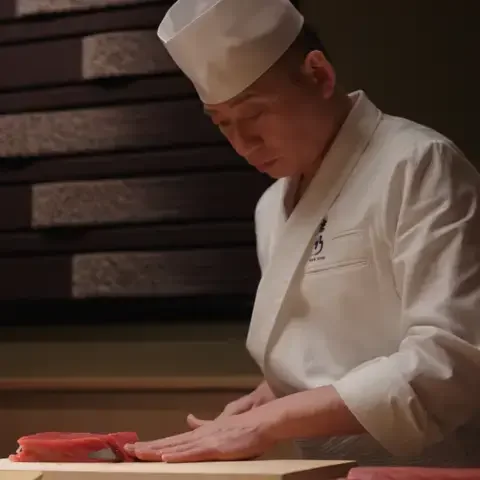
Chef Kyle Connaughton. Credit: Eric Wolfinger

The SingleThread chef shares his tips for smoking fish, meat, vegetables, and even a California-style charcuterie spread with an Ibushi Gin donabe.

For chef Kyle Connaughton, the art of Japanese donabe is far more than an ancient style of cooking. Connaughton and his wife, Katina, lived in a scallop-fishing village in Hokkaido for several years in the early 2000s, deepening his personal connection to the country and its cuisine. Though he continues to visit regularly, he now lives full-time in Healdsburg, where his three-Michelin-starred restaurant SingleThread couples seasonal Sonoma County produce with a Japanese-inspired ethos and 10 kaiseki-leaning courses.

In 2011, he traveled to Iga, Japan, where his love for donabe blossomed. “All of the different donabe that we use in the restaurant come from the ninth-generation Nagatani family,” Connaughton tells us. “Each piece is hand-crafted and made with a porous, fossil-rich clay that’s exclusive to Iga.” The distinctive clay gives Iga donabe their unique character. “It’s like the Champagne of sparkling wine for donabe,” he adds.

During the annual FieldNotes event at SingleThread Farm in September, Connaughton led a workshop on donabe cooking. The class was geared toward advanced users, so instead of focusing exclusively on the classic hot pot, attendees were introduced to the Ibushi Gin, a donabe smoker.

The Ibushi Gin uses the pot’s thick clay construction and water-sealed lid to create a contained, evenly heated environment where wood smoke infuses everything from fish and poultry to vegetables and steaks. Unlike a traditional smoker, it’s compact enough for stovetop use indoors, doubling as a dramatic, interactive way to serve guests.

During the demo, Connaughton smoked bright orange cubes of salmon over cherry blossom wood chips, sending a delicate aroma through the air. The fish emerged tender and deeply savory, with a gentle smokiness that lingered without overpowering it. That balance is part of what makes the Ibushi Gin so appealing: It offers an approachable way to experiment with smoke, whether you regularly cook with donabe or are just beginning to explore it. From selecting the right wood chips to building the proper amount of smoke, Connaughton shares his tips for getting started.


Donabe Cooking

Cooking on a Donabe

Prep the Base

Though it’s not required, Connaughton recommends lining the bottom of the donabe with a square of foil for easier cleanup. Next, add the wood chips. “The kind of wood chips you should use depends on the intensity of flavor that you’re trying to conjure,” Connaughton explains. “I tend to use cherry blossom chips, because they create a very delicate and mild smoke that doesn’t overpower meats like chicken or salmon.”

Add the Food and Start Heating

Set the donabe over high heat. As the wood chips begin heating, arrange the food on the grates, taking note of the density of what you’re cooking. “It can take a while to build and store heat, but it spreads very evenly throughout the pot,” Connaughton adds. Allow the donabe to heat for around 10 minutes before closing the lid. When it comes to seasoning, let the smoke do most of the flavoring. If you want to keep it simple, use a little koji or salt and pepper.

Seal With Water

The Ibushi Gin has a reservoir between the pot and lid. Once the lid is in place, pour a little water into the reservoir to create a tight seal that keeps the smoke inside.

Smoke and Rest

The amount of time food spends over the heat depends on what you’re cooking. “Rather than having a heat source cook something just from the bottom, we’re actually getting this sort of radiant effect, which keeps moisture in and gets browning very evenly,” Connaughton adds. Small pieces of fish need around four minutes, while poultry and pork take six to eight minutes. Steaks and most vegetables take five to eight minutes. Once the cooking time is up, turn off the heat and leave the lid sealed for at least 15 minutes, allowing the trapped smoke and residual heat to continue cooking and flavoring the food.

Serve at the Table

“Donabe is meant for lingering,” Connaughton explains. “I recommend setting it up at the table on a trivet and lifting the lid in front of your guests for an aromatic, smoky reveal before digging in.”


Smoked Charcuterie: A California Twist on Donabe

Connaughton uses donabe to show how the cookware can extend beyond traditional Japanese preparations. To demonstrate the Ibushi Gin’s versatility, he recommends using the smoker to build a California-inspired charcuterie board. Here’s how:

1. Prep

Prepare the donabe per above.

2. Add the Cheese

Add a soft cheese with a rind, such as Camembert or Brie, leaving it in its small wooden box. Place the box directly on top of the wood chips.

3. Add the Tinned Shellfish

Place the grill grate on the rim over the cheese. Set an open tin of mussels or clams on the grate, leaving the shellfish in the can.

4. Add the Sausage

Arrange thick-cut pieces of sausage around the tinned shellfish.

5. Smoke

Close the lid and fill the reservoir with water to create a seal. Smoke for five to seven minutes.

6. Build the Board

Build the charcuterie board around the smoked cheese, sausage, and tinned shellfish. Add fresh figs, cornichons, artisan jams, crackers, or other accompaniments.

Spread the flavor - share this story.

Join the community
Badge
Join us for unlimited access to the very best of Fine Dining Lovers
Unlock all our articles
Badge
Continue reading and access all our exclusive stories by registering now.

Already a member? LOG IN