Sorry, you need to enable JavaScript to visit this website.

Inside the Kitchen: Seven Questions with Chef Marcus Osorio of Living Room

5 Minute read
Marcus Osorio

Marcus Osorio

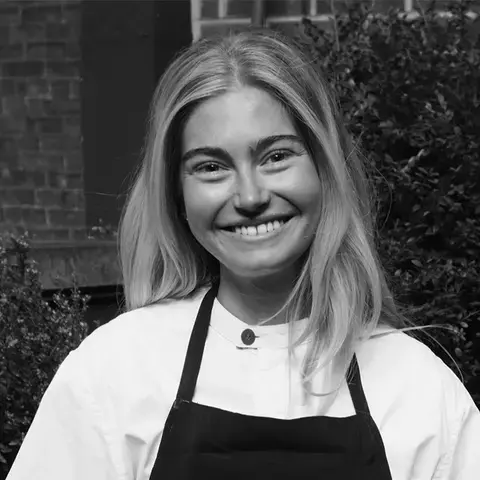
Marcus Osorio is the chef de cuisine at Living Room in Hollywood and a 2026-27 U.S. Regional Finalist in the S.Pellegrino Young Chef Academy Competition. Here, Osorio discusses the Salvadoran dishes that remind him of home, the Mexico City restaurant that shaped his thinking, his plans for a masa-focused restaurant, and the responsibility chefs have to their ingredients and communities.

Food has always been the definitive centerpiece of celebration in my family. Every single birthday growing up, and to this day, my grandmother asks me without fail, “¿Qué vas a querer de comer?” Every year, since I could speak, my answer has remained exactly the same: panes con chumpe.

Salvadoran turkey sandwiches are a legendary dish made of tender, braised turkey that is first marinated overnight in a pungent, sharp garlic and mustard mojo. The turkey is then slowly braised in a complex, deeply savory, and nutty recaudo sauce, a traditional Salvadoran mole-adjacent sauce thickened with toasted pumpkin seeds, peanuts, sesame seeds, tomatoes, and warm spices. Assembled on a crusty bolillo or pan francés with crisp watercress, radishes, cucumbers, and a ladle of that rich, piping-hot sauce.

To me, it is the absolute pinnacle of comfort, heritage, and culinary execution. It is not just a meal; it is the flavor of home, memory, and unconditional love.

Last year I had the pleasure of visiting Mexico City for the first time. I went alone and did most of my traveling by foot, to offset all the eating I had planned. Roaming the gorgeous, jacaranda-lined streets of Roma and Condesa, I stumbled across Expendio de Maíz, a small restaurant with outdoor communal seating.

They serve in a tasting-menu format, where guests choose to end their meal whenever they have had enough to eat. I remember sitting there outside on a cold, foggy morning, sipping a sweet, steaming café de olla, with street musicians walking by playing folkloric melodies. I was in heaven before the food arrived.

The food highlighted responsibly procured corn varieties, and the produce used was coming from Xochimilco, Mexico City's original sustainable farming system. Everything was served on handmade Mexican clay dishes. It felt surreal to see the beautiful combination of the things I've come to appreciate in food: the convivial environment, culture flowing through the streets, respect for ingredient sourcing, and respect for Indigenous artisans, all at an accessible price point.

Elevated dining means experiencing cuisine that has been produced at a high execution level, using the best ingredients possible. Along with the food, the entire guest experience should be more specialized. A high level of organization and cleanliness is expected.

I aim to own and operate a business where I get to run two styles of service. During the daytime, a fun, fast-casual café and comedor committed to serving fresh masa cookery. At night, an elevated dining space with the hospitality and flavors of Abuela's kitchen and the plating and execution of an award-winning restaurant.

I want the business to be sustainable for itself and its staff. Ideally, it would be located in Los Angeles. I think as a city we have an incredible density of Latin food and products; however, the number of those that are using quality ingredients or sourcing responsibly is lacking.

There's a long list of places I'd like to dine at. Ishtia by chef David Skinner currently holds the top of the list. I'm fascinated by the resurgence of Indigenous culinary traditions happening in North America. Chef David uses his fine-dining background to showcase Choctaw culinary ancestry.

Due to colonization, many Indigenous tribes across America lack a strong culinary heritage. Many people were moved off their original homelands and forced onto new lands with government food rations. Chefs like Sean Sherman, David Skinner, and Crystal Wahpepah are working hard to make sure their culinary traditions aren't forgotten in the past. I think the work they do is extremely important, and I hope to add to their efforts.

My cooking, like many chefs, stems from the way I like to eat. When I’m dining, I like to know that the ingredients are coming from reputable sources, I want to know the story behind the food I’m eating, and I want the food to be executed to the highest possibility. Delicious, honest, hot food, served with true hospitality.

If I serve a taco on a menu in Los Angeles, where cheap and delicious taco stands and taquerias are prevalent, I need to set myself apart in quality and execution. Tortillas made with maíz criollo from Somos Maíz, seasonal produce and proteins from the farmers that surround Southern California, served with the necessary hospitality and knowledge transfer to guests.

As chefs, we have a great responsibility as one of the final baton passes in the journey from soil to plate. We must respect our raw ingredients, minimizing waste and showcasing our farmers. We must also respect the culture of our food, paying homage to the cuisines by which we are inspired.

My ultimate comfort food has always been Salvadoran desayuno típico. As a child, I could smell the aromas of beans and frying plantains from my bedroom and would rush to the kitchen. My Abuela would proudly say, “He eats like an Osorio,” as I used a tortilla to wipe my plate clean.

The hearty breakfast plate has always brought joy to my heart and stomach when away from home. The plate consists of thick, hand-shaped, fluffy tortillas, refried beans, pan-fried ripe plantains, crema, queso fresco, and eggs scrambled with chiles and tomato.

When working in Northern California wine country, I was devastated to find out that the local tortilleria used bagged masa mix rather than fresh nixtamal to prepare their tortillas. I ended up buying a hand-crank mill and would on occasion make myself fresh tortillas just to enjoy my desayuno típico.

Marcus Osorio is one of 10 chefs competing in the 2026-27 S.Pellegrino Young Chef Academy U.S. Regional Final. Meet the other finalists vying for a place at the global Grand Finale.


Spread the flavor - share this story.

Join the community
Badge
Join us for unlimited access to the very best of Fine Dining Lovers
Unlock all our articles
Badge
Continue reading and access all our exclusive stories by registering now.

Already a member? LOG IN