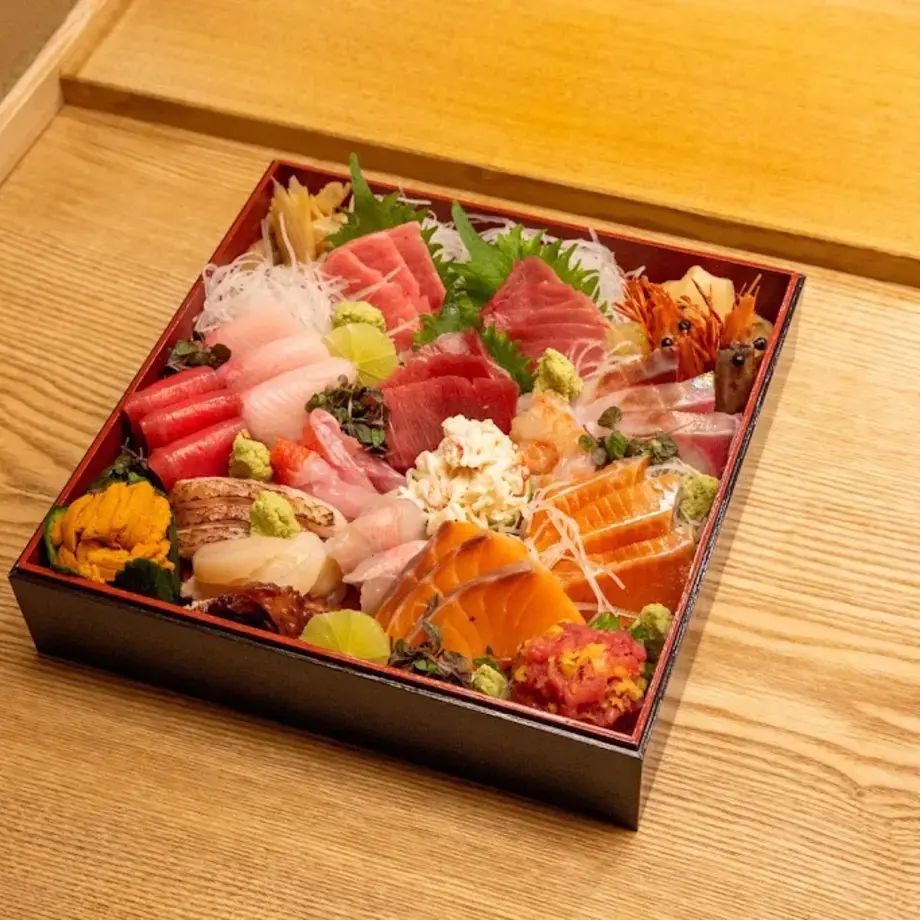
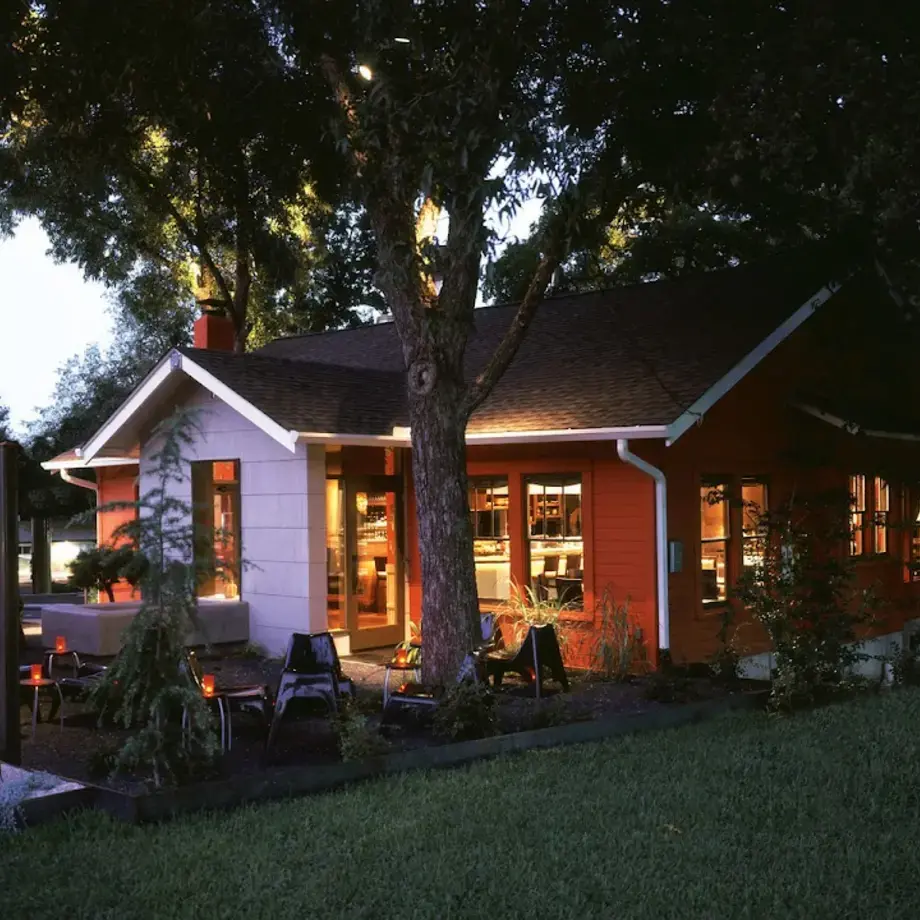
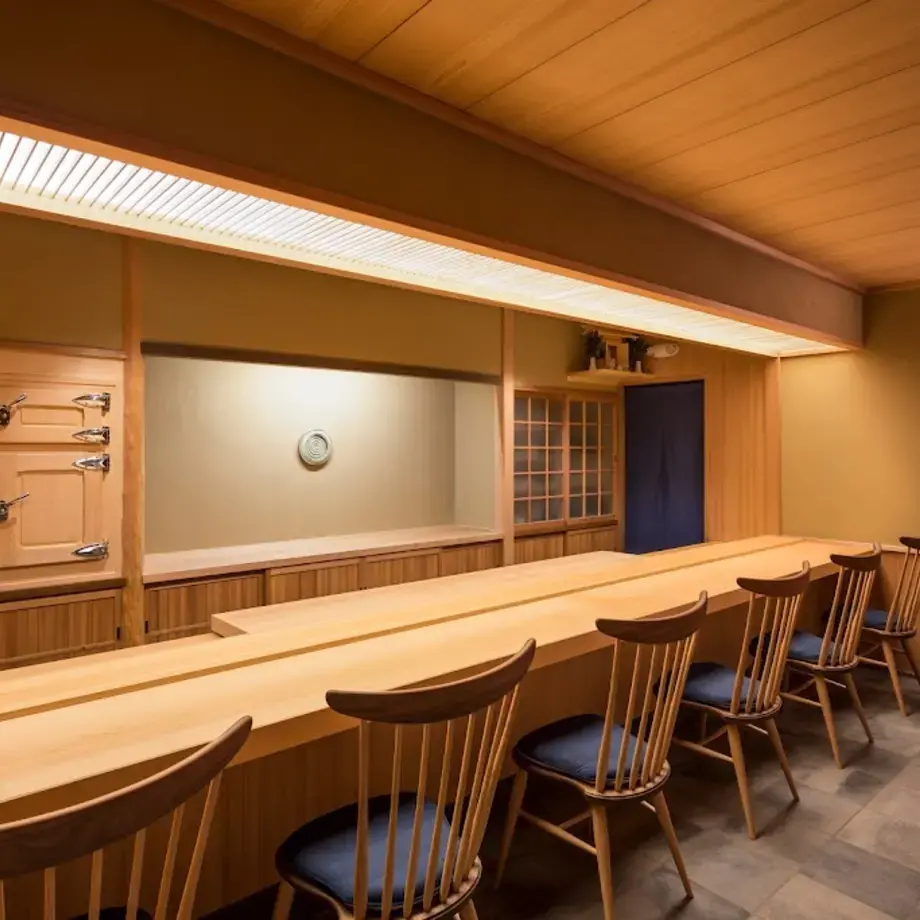
For a premier sushi destination in New York, Noz Market presents two distinct answers. The establishment functions with a dual identity, operating as both an informal hand roll bar and a dedicated omakase counter. In the front, a casual, walk-in setting allows guests to sample seasonal offerings through expertly prepared temaki. Further within, past an area inspired by Japan's renowned fish markets, lies a more formal, intimate counter for a focused tasting. This structure allows for different ways to enjoy a singular culinary vision rooted in Edomae tradition. The foundation of the kitchen is a commitment to exemplary Edomae-style food, beginning with pristine seafood sourced from Japan. This dedication to ingredients is evident across all the offerings. The selection extends beyond hand rolls and nigiri to include donburi, maki, and bara-chirashi, all prepared to order. The market component of the operation also allows patrons to purchase prime cuts of fish, such as wild-caught tuna and uni from Hokkaido, to take home, further connecting the restaurant to its Toyosu market inspiration. The omakase counter in the back provides a more composed progression of dishes in a tranquil, focused environment. As an extension of its highly regarded sibling restaurant, Sushi Noz, this counter shares the same exacting standards and access to exceptional seafood. This connection ensures that even in this more accessible format, the preparations reflect the quality and philosophy of a family of restaurants recognized by the Michelin Guide. The thoughtful sequence of small plates and seasonal nigiri showcases a precise and disciplined method. Ultimately, the choice of how to engage with Noz Market is left to the visitor. One might stop in for a quick, impromptu meal at the hand roll bar or settle in for a longer, more curated tasting at the omakase seating. This versatility, built upon a bedrock of high-quality sourcing and traditional technique, gives the establishment its unique position in the city's Japanese dining landscape. It accommodates both spontaneity and deliberation without compromising its central promise of quality.